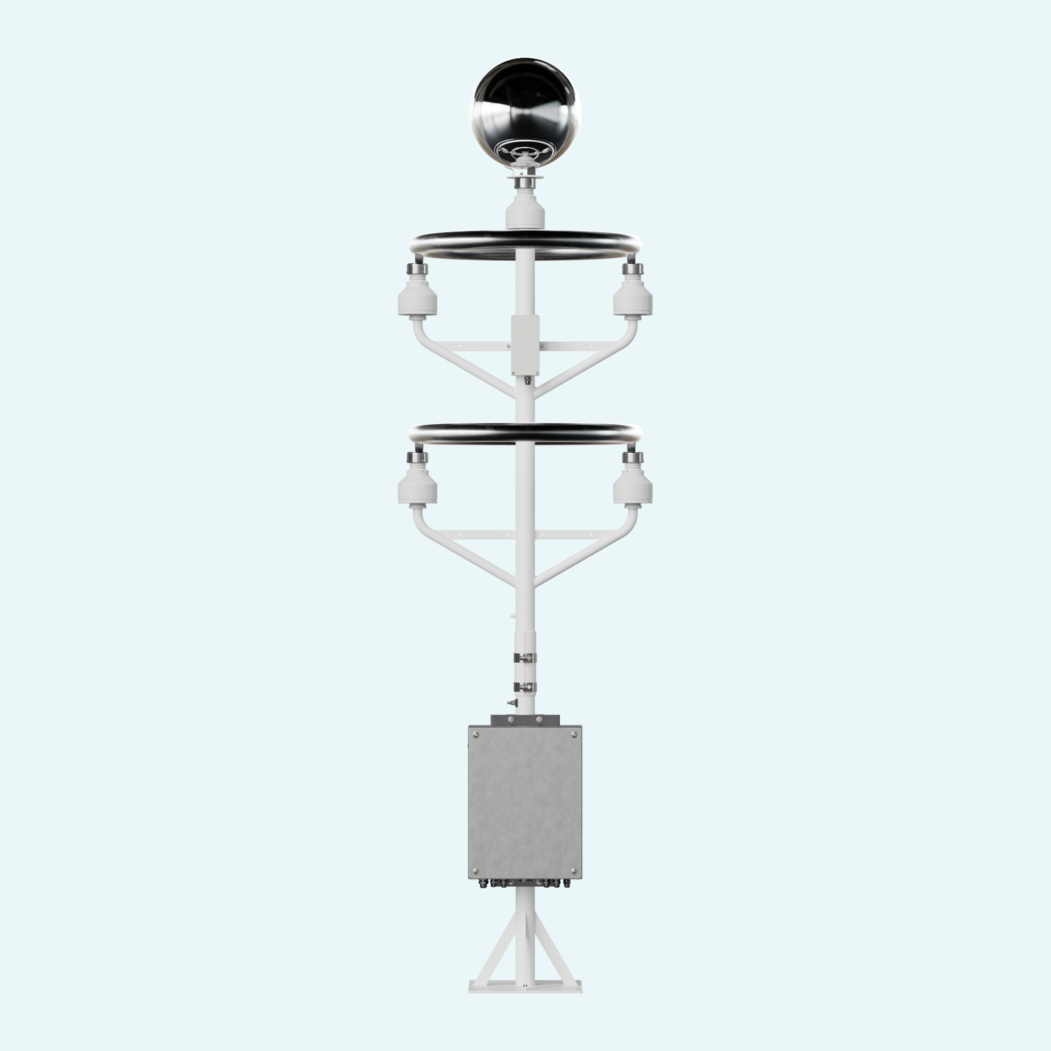
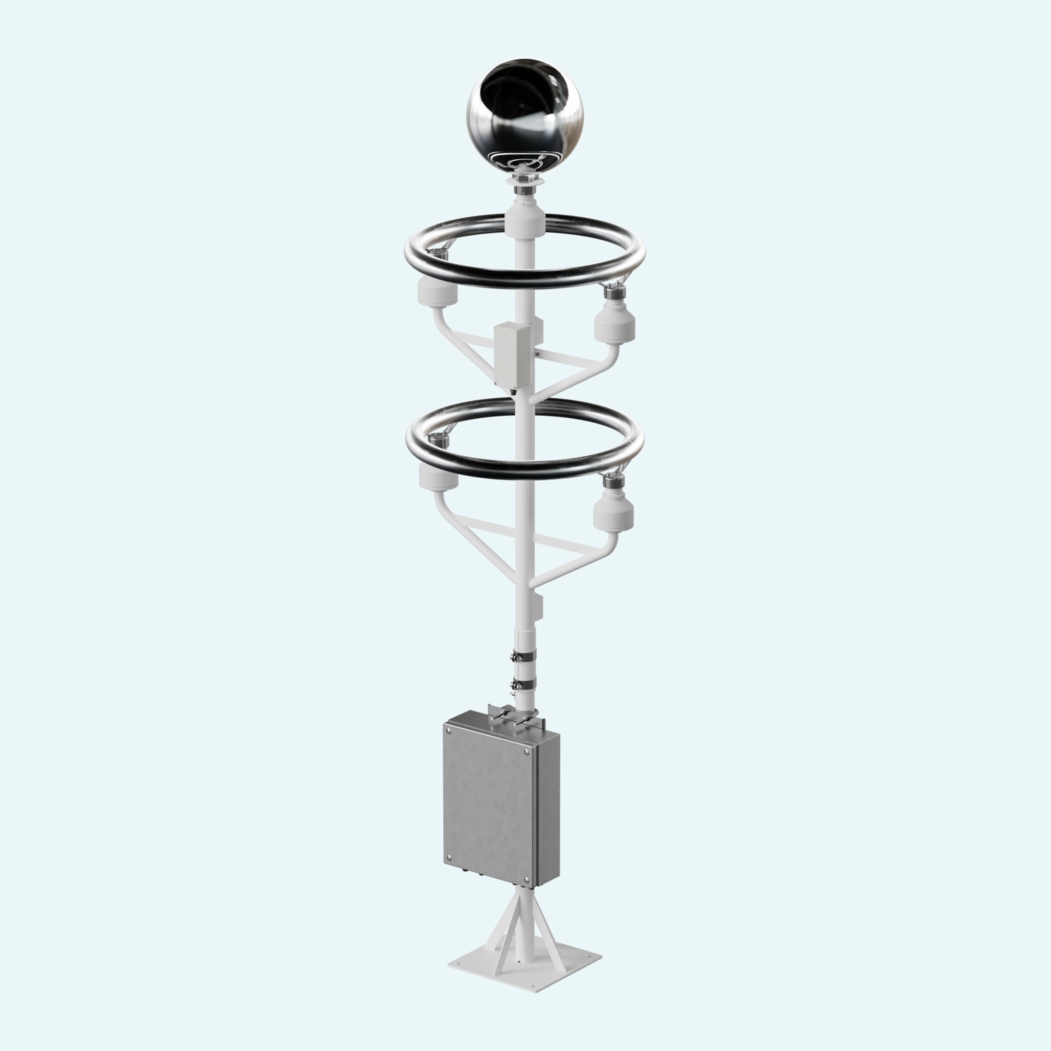
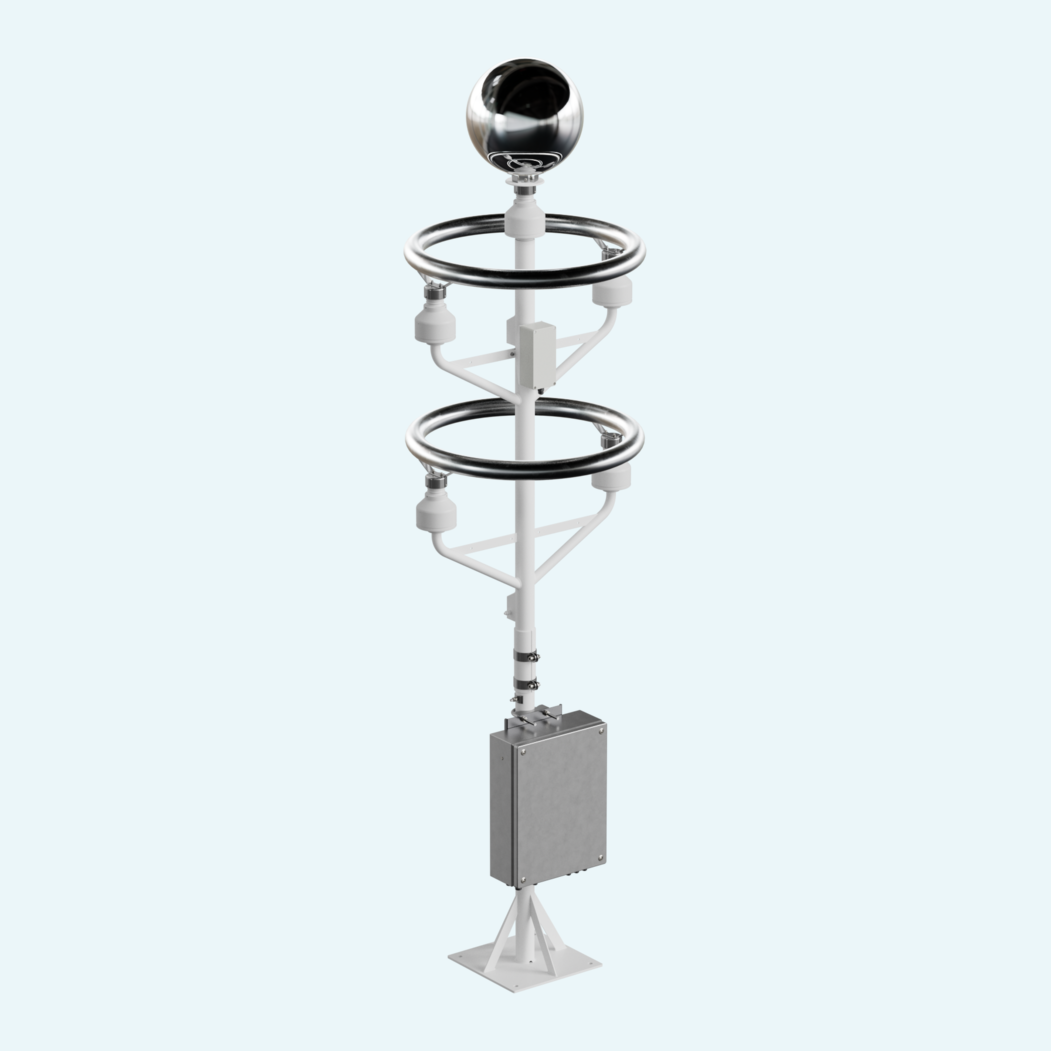
Sites with exposed people, assets or operations need lightning information early enough to act. The BTD-300 detects all forms of lightning out to 83 km and monitors local electric field strength and charged precipitation to warn of overhead strike risk before the first flash.
Its passive quasi-electrostatic principle measures low-frequency atmospheric electric field changes instead of relying on radio waves, giving high immunity to man-made RF interference and a false alarm rate below 2%. Detection efficiency reaches 95% for a single flash and 99–99.9% for storms with multiple flashes within 56 km.
The detector fits advanced weather monitoring and safety systems through RS422 or Ethernet output, with supplied PC display and logging software for local operation. Optional relay outputs support automatic local warnings, while IP66 stainless steel and powder coated aluminium construction supports operation from -40 °C to +60 °C, or -50 °C with extended heating.


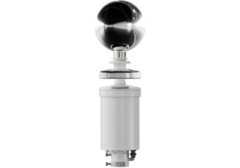
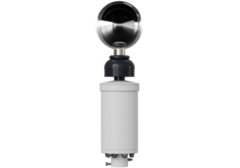
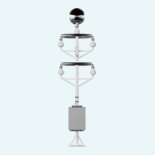
The detector uses three antennas to measure low-frequency atmospheric electric field disturbances caused by lightning.
The system detects cloud-to-cloud, cloud-to-ground and intra-cloud lightning discharges.
Ethernet or RS422 outputs provide self-test status, thunderstorm warning status, flash time, flash range and optional flash direction.
Supplied display and logging software supports local operation, monitoring and recorded lightning data.
The relay option provides three volt-free contacts for caution state, warning state and alert state.
The direction finder add-on reports lightning direction with 1° resolution, qualified by electrostatic ranging.
Warning thresholds are user configurable to adapt the detector to site requirements.
The optional battery Field Test Unit simulates lightning at different ranges for commissioning and routine checks.
Code: 30. [1] [2] [3] [4] [5]
Example: 30.NF.NH.TD.WR.SC
[1] Direction Finder
WF. = With direction finder
NF. = Without direction finder
[2] Heating
EH. = Extended heating
NH. = No additional heating
[3] Data output
TE. = Ethernet output
TD. = RS422 Serial
[4] Relay output
NR. = Without relay outputs
WR. = With relay outputs
[5] Configuration
RC = Regular configuration
SC = Special configuration