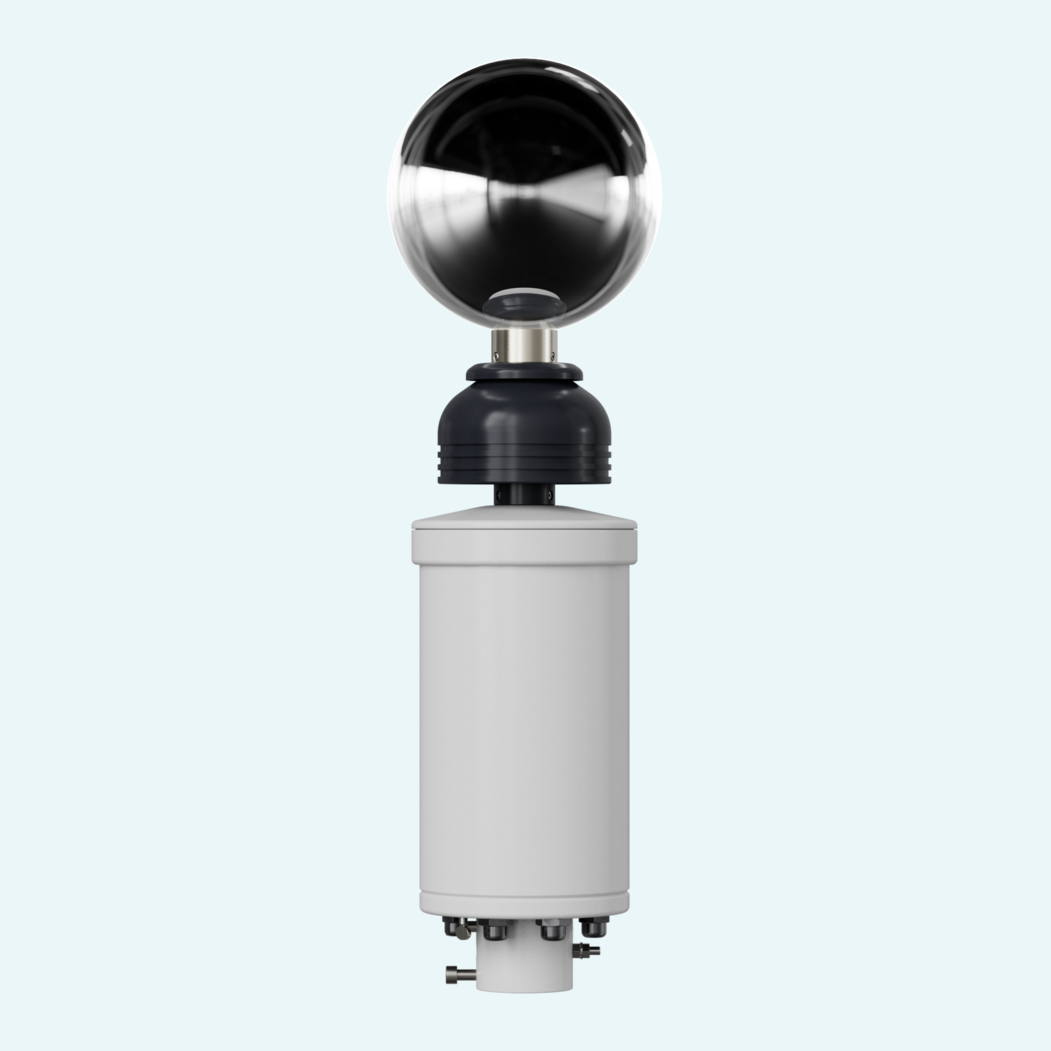
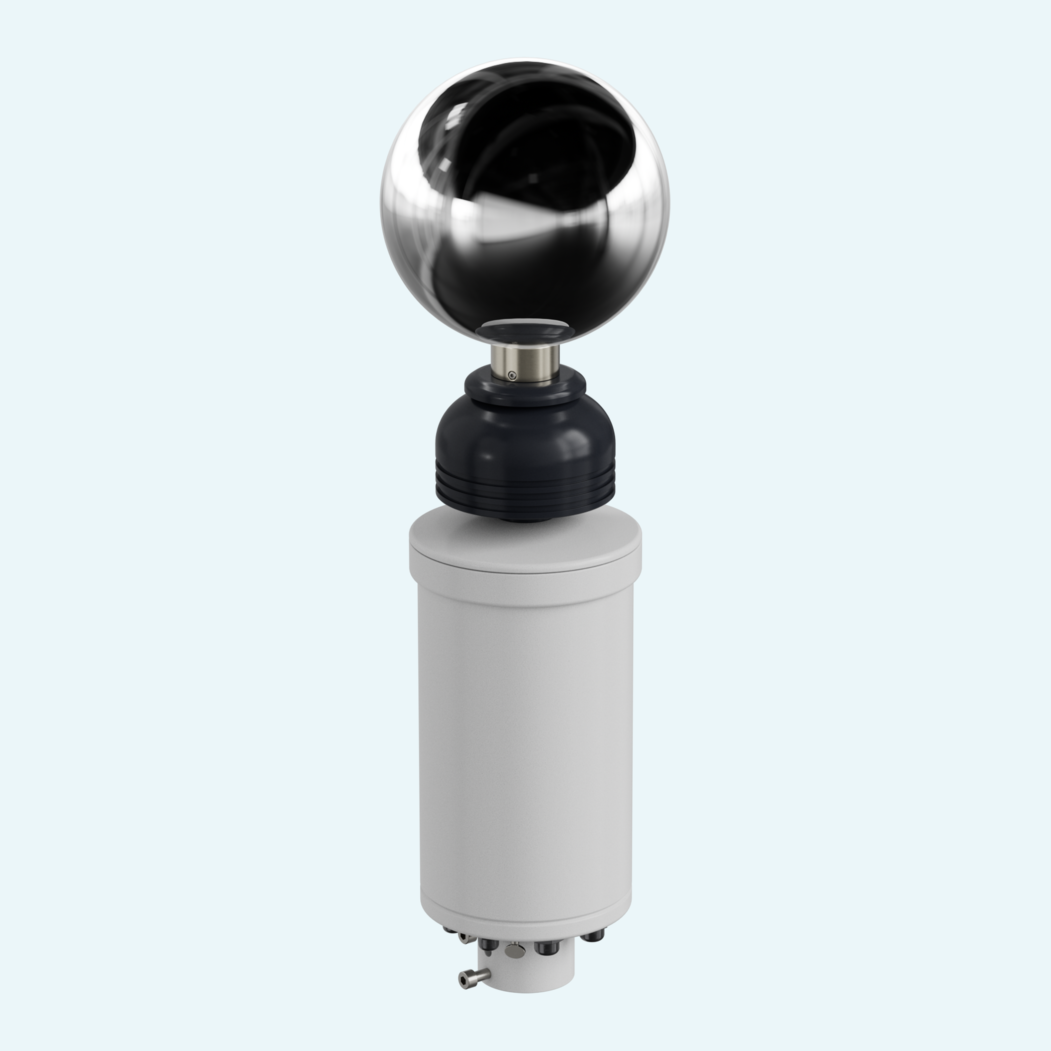
Outdoor operations need time to react before lightning becomes an immediate risk. The BTD-200 detects thunderstorm activity up to 35 km away and warns of potential overhead lightning, including dangerous conditions before the first local strike occurs.
Its quasi-electrostatic detection principle senses low-frequency changes in the atmospheric electric field and filters higher-frequency radio noise. This supports a typical 95% detection efficiency for a single flash within 35 km, rising to 99–99.9% for storms with multiple flashes, with a false alarm rate below 2%.
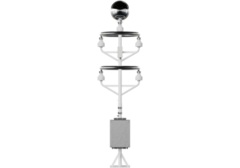
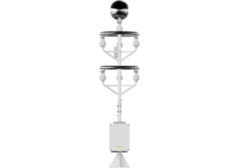
The system works as a complete warning solution for sporting events, outdoor pursuits, industrial sites and meteorological applications. Three volt-free relays provide alert, warning and self-test outputs, while Lightning Works software adds monitoring, warning icons, sensor health display, automatic data logging and CSV export. The IP66 stainless steel and coated aluminium sensor operates from -20 °C to +50 °C.


The sensor measures low-frequency disturbances in the atmospheric electric field caused by lightning and filters higher-frequency radio noise.
The system detects cloud-to-cloud, cloud-to-ground and intra-cloud lightning discharges and classifies activity into range bands.
The software provides map overlay, warning state icons, sensor health status, system configuration, automatic data logging and CSV export.
Three relays with volt-free contacts provide alert state, warning state and self-test outputs for connection to local warning or control systems.
The system connects to a user computer through a wired RS422 serial link and supplied serial communications interface.
Overhead, vicinity and distant lightning range bands can be adjusted in Lightning Works software within the specified limits.
The system includes automatic self-test operation and provides a dedicated relay state for system health monitoring.
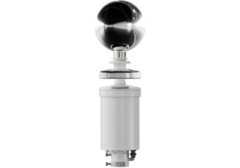
The sensor is housed in stainless steel and epoxy powder coated aluminium, with IP66 protection for fixed land-based installations.