
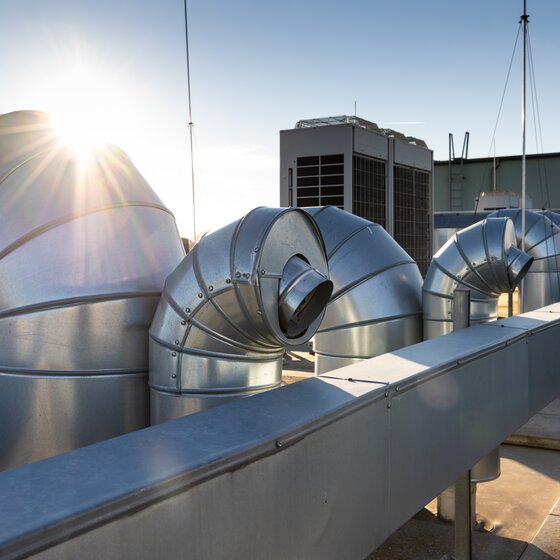
In a smart factory, building services are integral to the production environment. Temperature, humidity, air quality and air movement can affect materials, equipment, product quality and working conditions across production areas, laboratories, warehouses and controlled environments.
Ventilation and extraction systems must deliver the intended airflow and maintain appropriate pressure relationships. Measurements of air velocity, volumetric airflow and differential pressure help verify air distribution, extraction performance and filter condition. Portable instruments support commissioning and troubleshooting, while permanent transmitters provide continuous data to factory automation systems.
Reliable heating, cooling and utility systems depend on temperature, pressure, liquid flow and level measurements. These help verify circulation and supply conditions and reveal insufficient flow, pressure losses or changing fluid levels before supported equipment or production areas are affected.
Where outdoor conditions influence air intake or cooling demand, local weather measurements provide additional operational context. Connected data loggers combine environmental, HVAC, utility and weather data, apply configurable thresholds and transmit alarms and historical records to monitoring platforms.
By combining permanent monitoring, portable diagnostics, data acquisition and traceable calibration, Senseca helps factory teams maintain controlled environments, verify system performance and detect deviations before production is disrupted.



Heat generated by machinery, process moisture, open doors and uneven air distribution can create different conditions across production areas, laboratories, warehouses and controlled environments.
These variations may affect materials, product consistency, sensitive equipment, storage conditions and employee wellbeing. Senseca fixed transmitters and data loggers continuously measure temperature, relative humidity, carbon dioxide, VOC index and particulate matter at representative locations. Portable instruments support spot checks, environmental mapping and the investigation of local deviations, while portable reference instruments enable the on-site verification or calibration of fixed transmitters.
Comparing measurements across zones, shifts and operating states helps factory teams identify recurring variations. Configurable thresholds and historical records provide an objective basis for investigating deviations, verifying corrective actions and maintaining suitable environmental conditions.
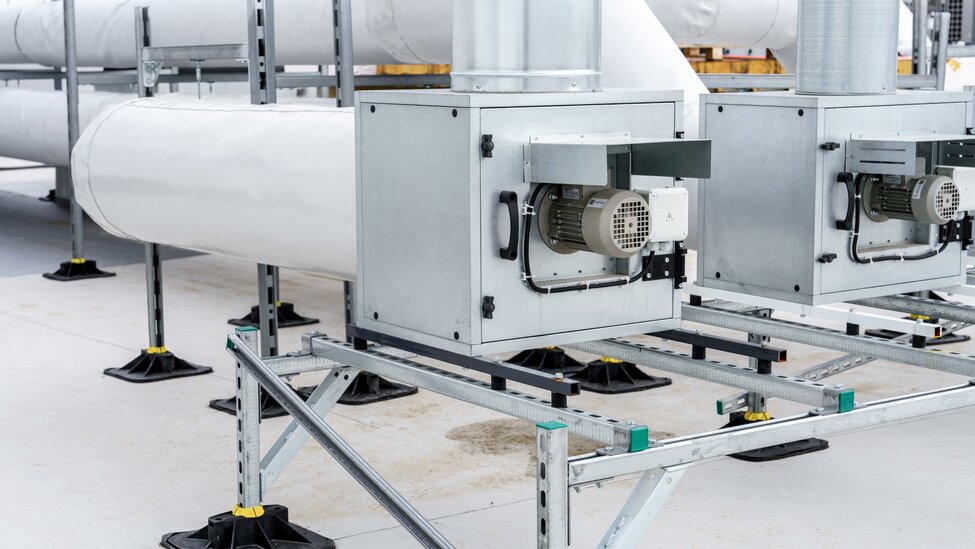
Factory ventilation must remove heat and airborne contaminants while supplying sufficient replacement air. Local extraction systems must also maintain the intended airflow at hoods, workstations and emission points.
Senseca instruments measure air velocity and volumetric airflow in ducts, at terminals and within extraction systems. Portable instruments support commissioning, balancing and troubleshooting, while fixed transmitters continuously monitor critical points.
Differential-pressure measurements help assess filter condition, duct performance and pressure relationships between adjacent areas. Air-quality measurements provide additional information about changes in carbon dioxide, VOC index and particulate matter.
Combining these measurements helps teams identify blocked filters, insufficient extraction and unbalanced air distribution, providing reliable information for system adjustment and energy-efficient operation. This supports the optimisation of HVAC energy use, a significant factor in factory operating costs.
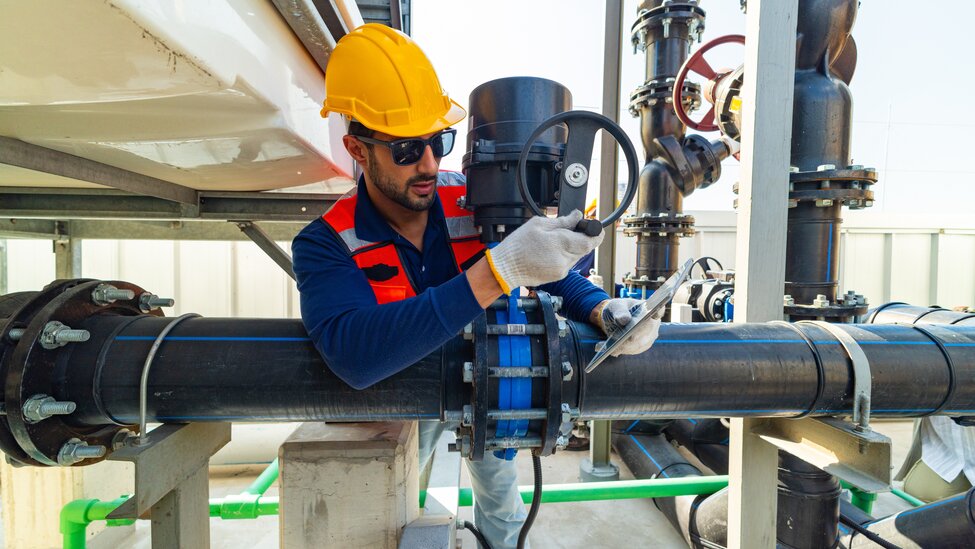
Production areas and equipment depend on reliable heating, cooling and fluid-distribution systems. Insufficient circulation, pressure losses or low tank levels can reduce heat removal and affect the processes and equipment they support.
Senseca instruments measure supply and return temperature, system pressure, differential pressure, liquid flow and level throughout cooling loops, heating circuits and auxiliary systems. These measurements help verify circulation, identify restrictions and monitor fluid availability. In evaporative cooling systems such as cooling towers, fixed and portable water-quality instruments monitor parameters such as electrical conductivity, supporting water-treatment control and safe, reliable operation.
Switching, analogue and digital outputs allow installed sensors to communicate with control panels, PLCs and factory monitoring systems. Portable instruments provide additional support during commissioning and maintenance.
Monitoring these parameters helps teams detect low flow, abnormal temperature differences, pressure losses and changing fluid levels before system performance or equipment availability is compromised.
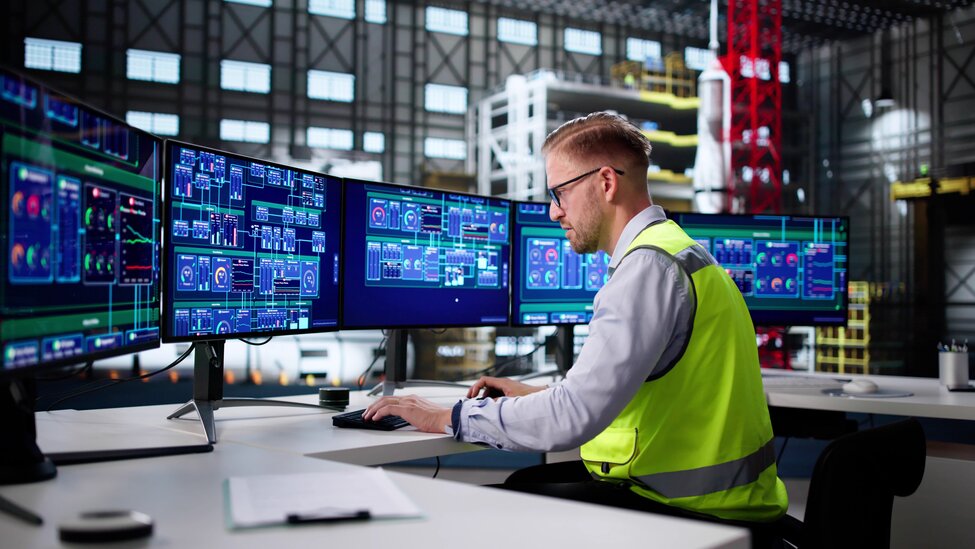
Factory automation requires reliable measurements from production areas, ventilation systems, cooling circuits and utility equipment. Coordinated monitoring reveals whether conditions are changing and whether supporting systems are responding correctly.
Senseca transmitters provide continuous measurements of temperature, humidity, air quality, airflow, pressure, flow and level, with interfaces for integration into PLCs and industrial networks.
Connected data loggers combine measurements from across the facility. Local storage, configurable thresholds, diagnostics and alarms help preserve information and highlight conditions requiring attention.
Historical records allow teams to identify recurring deviations and compare different operating states. By connecting field measurements with automation, SCADA and remote monitoring platforms, Senseca helps operators intervene before environmental or utility-system deviations affect production.


Eliminate the need for inspection on a mass basis by building quality into the product in the first place.