
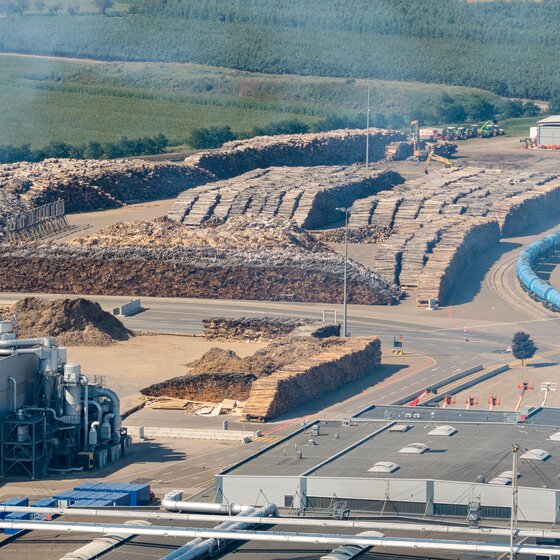
Biomass fuels follow a defined process path: stored in silos or bunkers, conveyed mechanically to the combustion system, and burned in boilers or furnaces. At each stage, measurement data is what keeps the process running safely and at full efficiency.
Fill levels in storage must be tracked continuously to guarantee uninterrupted fuel supply. Material flow to the combustion chamber requires reliable control to prevent feed disruptions. Inside the furnace and along the flue gas path, temperature is a direct indicator of combustion quality and equipment condition. Pressure monitoring in the combustion chamber influences burn performance and protects boiler integrity. At the end of the cycle, level detection in ash containers supports automated removal and keeps residue handling on schedule.
Plant operators, process engineers, and energy managers all rely on this data, not only to optimize fuel consumption and thermal output, but to meet the safety and emissions documentation requirements that govern biomass energy facilities.


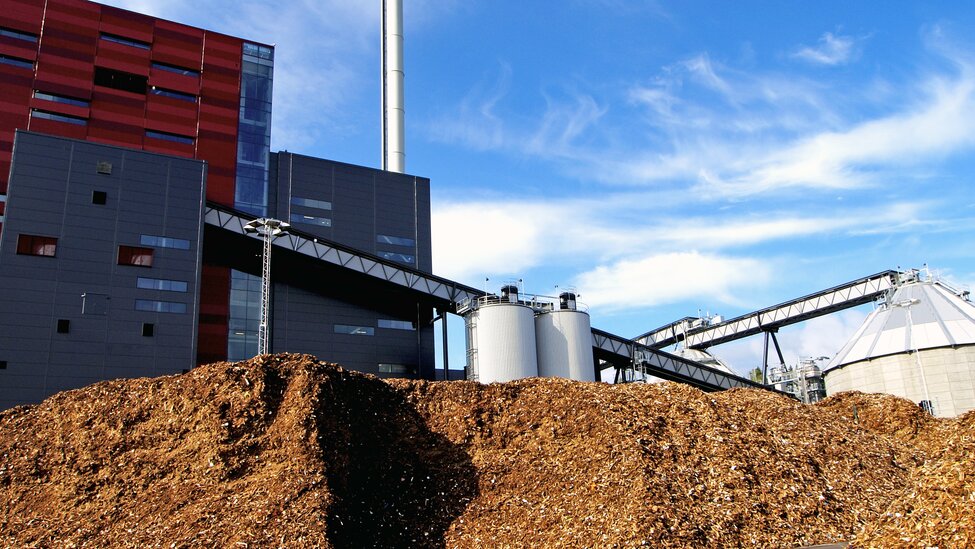
Solid biomass presents measurement challenges that liquid or gas applications do not: bulk density shifts with moisture content, particle size varies by fuel type, and material can arch or compact unpredictably in silos and conveyors. Senseca provides both continuous and point-level detection solutions for silos, bunkers, and ash containers, including hydrostatic sensors available with ATEX certification for dusty explosive atmospheres (Zone 21/22). Flow measurement instruments track combustion air supply and water/steam circuits, giving operators the data needed to control feed rates, prevent undetected supply failures, and maintain heat balance across the system.
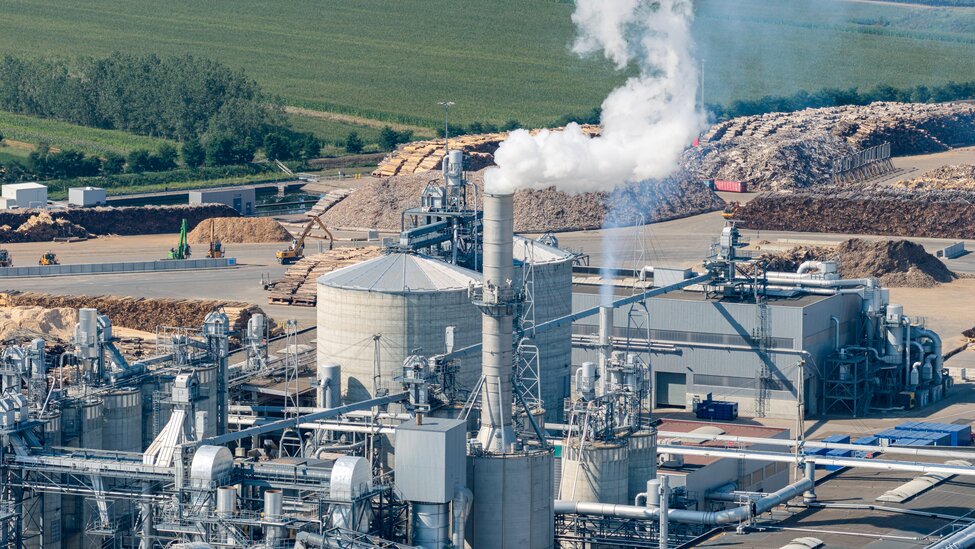
Sensors positioned near furnace zones, flue gas paths, and mechanical conveying equipment face a combination of extreme heat, abrasive dust, and continuous vibration that eliminates many standard industrial instruments from consideration. Senseca's temperature and pressure measurement devices are engineered for exactly these conditions, with robust construction suited to long-term, low-maintenance deployment in solid fuel environments. Combustion chamber and differential pressure monitoring supports draught control and protects boiler integrity, with ATEX-certified versions available for dust explosion hazard zones (Zone 21/22).
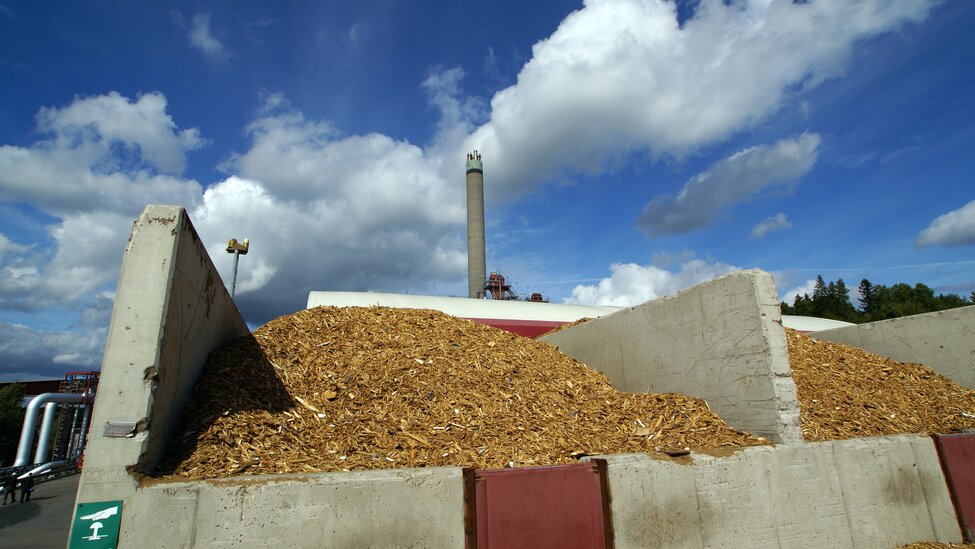
Self-ignition in biomass storage is a genuine operational hazard: smouldering can develop undetected in fuel stockpiles before escalating into a serious incident. Senseca's temperature monitoring instruments provide continuous surveillance of fuel storage areas, enabling early detection of overheating and giving operators time to intervene. The same measurement infrastructure supports the continuous documentation of flue gas temperatures and combustion parameters required under emissions regulations, ensuring that compliance records are maintained automatically without additional manual data collection.


Biomass for energy (bioenergy) continues to be the main source of renewable energy in the EU and accounted for about 59% of the renewable energy consumption in 2021, according to the 2023 Union bioenergy sustainability report.