
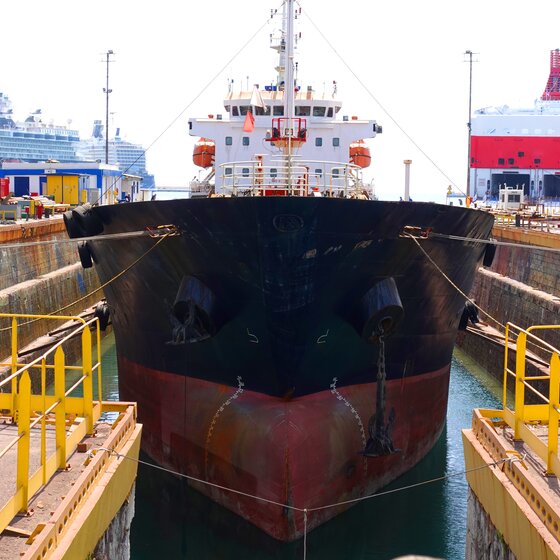
Naval and marine vessels use level measurement across several systems that affect safety, stability, and onboard operations. Ballast water monitoring combines level and quality management with disinfection, helping crews control water before it is discharged in a different marine environment. Steel level sensors can also monitor ballast water, drinking water, gray water, and black water tanks.
Bilge level sensors are installed in compartments below the waterline to detect unwanted water ingress and support early intervention. Level sensors are also used in hydraulic units that supply oil to equipment such as lifeboats, doors, cranes, and anchors. In these systems, multipoint sensors monitor the oil level inside a central hydraulic unit that powers several connected functions. Typical users include naval shipyards, vessel operators, system integrators, and technical crews responsible for marine safety and equipment maintenance.


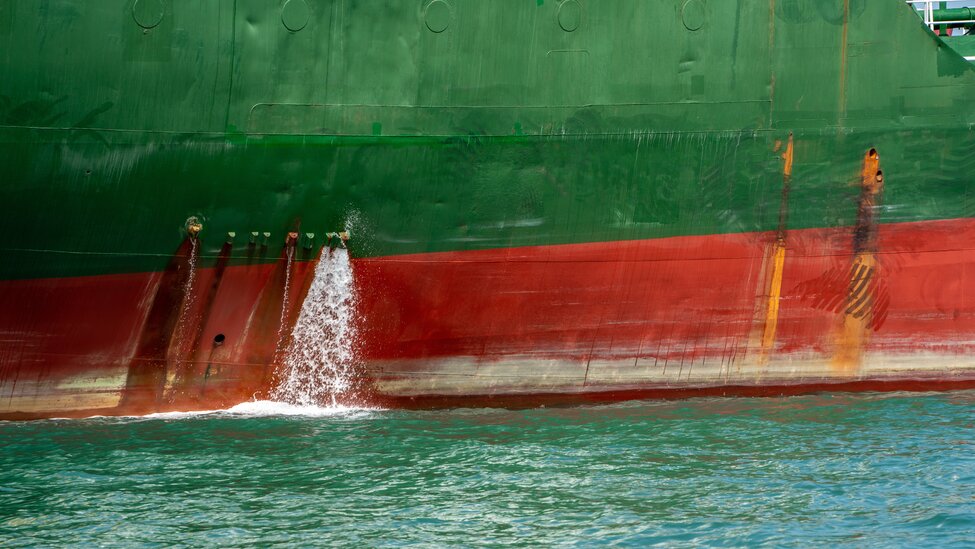
Bilge level sensors continuously monitor chambers located below the vessel’s waterline. They detect unwanted water ingress at an early stage, allowing the crew to respond before flooding affects vessel safety or stability. The sensors can be installed in multiple compartments and connected to the vessel’s alarm or monitoring system. Their robust construction supports use in demanding marine environments, while the supplied test device simplifies installation and commissioning. Marine-certified cables and suitable connection options help integrate the sensors into naval systems where dependable operation is essential.
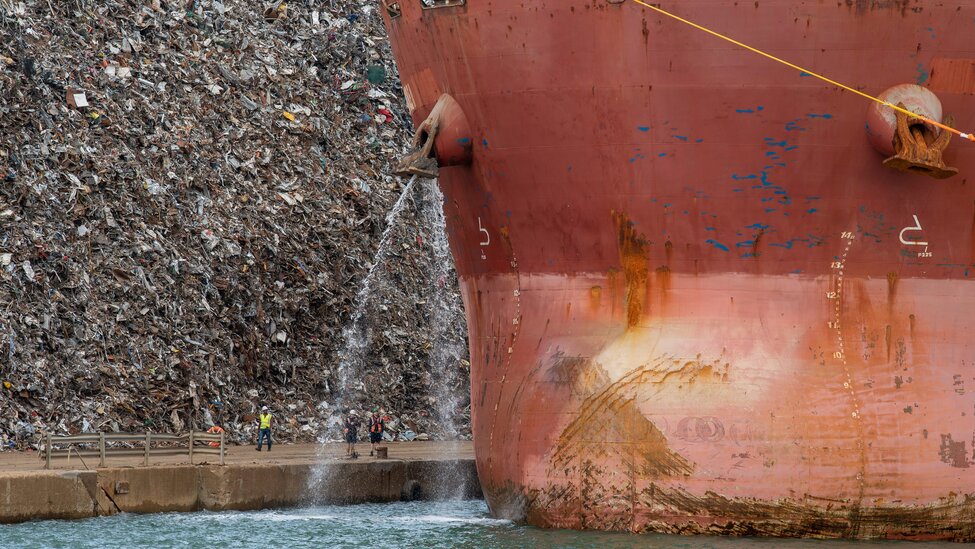
Senseca sensors support both level and quality monitoring in ballast water systems. Level measurement helps crews manage tank filling and discharge, while water analysis provides information required for treatment and disinfection procedures. This is essential when ballast water taken on board in one marine area must be treated before discharge in another. The sensors can be integrated into existing monitoring systems. A test device is included as standard, supporting installation checks and helping crews verify sensor operation before the vessel enters service.
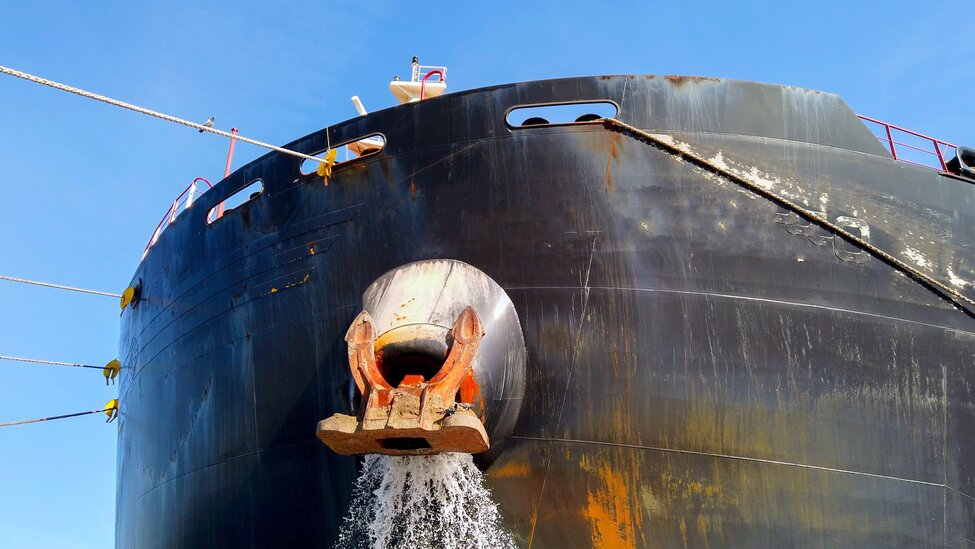
Multipoint level sensors monitor the oil inside central hydraulic units that power equipment such as lifeboats, doors, cranes, and anchors. By tracking the oil level at different points, the system can help identify insufficient levels or changes that may affect hydraulic performance. This supports the reliable operation of equipment that depends on a shared hydraulic power supply. Senseca solutions can be adapted to the installation requirements, including sensor configuration, cable length, connections, and wiring. Naval-certified cables and high-quality materials support integration into hydraulic systems where dependable measurement is required.
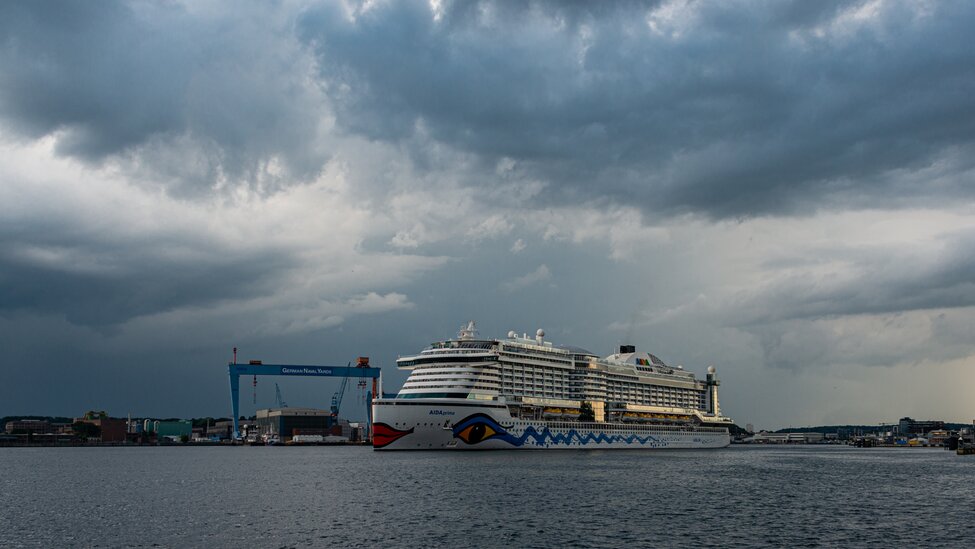
The thunderstorm detection system provides early warning of overhead lightning and thunderstorms, with a detection range of up to 83 km. Its quasi-electrostatic operating principle enables storm activity to be detected without relying on radio-frequency signals, while the marine configuration is designed to withstand the demanding conditions found on large vessels.
Visibility and present weather sensors support monitoring at offshore platforms, helidecks, and other exposed aviation environments. They measure visibility from 10 m to 99.99 km and use forward- and backscatter information to help distinguish between liquid and frozen precipitation. Designed for demanding offshore applications, the sensors include window contamination monitoring, automatic compensation, and cleaning warnings. These measurements provide operators with additional information for assessing weather conditions and planning marine or helicopter operations.


More than 65,000 ships are subject to the regulations of the IMO Ballast Water Management Convention, with compliance becoming mandatory in 2024.