

Weather conditions can change rapidly across an airport and may vary between different observation points. Wind, fog, precipitation, freezing conditions and thunderstorms can influence runway conditions, aircraft movements and airside activities. Reliable local measurements are therefore essential for maintaining continuous awareness of the airport environment.
When visibility deteriorates, general weather information is not enough. Measurements of visibility, background luminance and present weather provide the local data needed to assess conditions along the runway and identify fog, rain, snow, hail and freezing precipitation.
Measurements must also be collected, checked and transmitted reliably. Within an AWOS, continuous data acquisition, sensor diagnostics and status information help ensure that current observations remain available to systems and personnel. Senseca supports AWOS and distributed airport-monitoring architectures through weather sensors, data acquisition, communications and remote-access technologies.


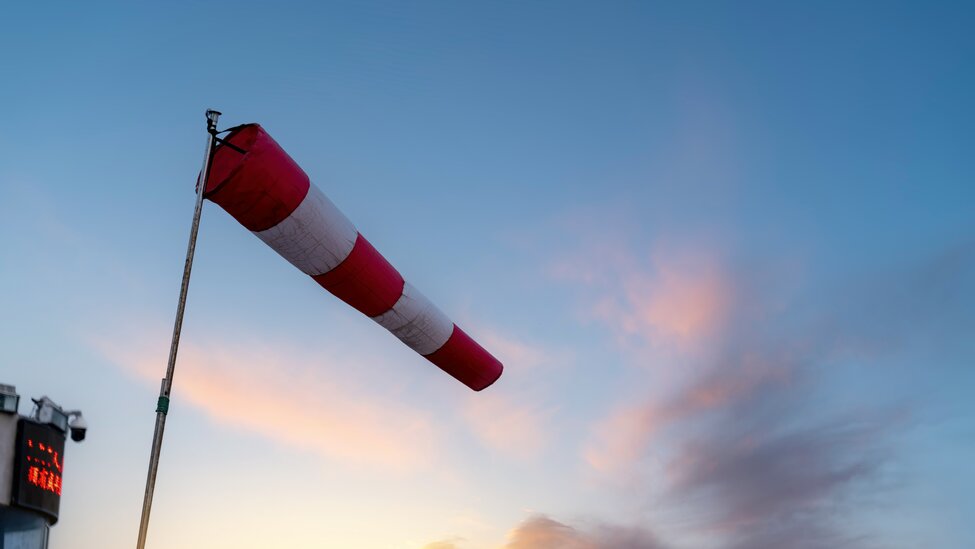
Wind speed, direction and gusts describe the airflow affecting take-off, landing and ground operations. Measurements collected at representative locations help identify changing conditions and local variations across the airport.
Air temperature, relative humidity and atmospheric pressure provide the wider meteorological context and support the calculation of dew point. Rain detectors and precipitation gauges add information on the onset, intensity and accumulated amount of precipitation.
Together, these measurements provide airport operators and meteorological personnel with a continuous, up-to-date view of surface weather conditions.

Visibility along a runway can vary significantly during fog, precipitation and other low-visibility conditions. Forward-scatter sensors continuously measure Meteorological Optical Range, providing the local visibility data required by airport monitoring systems.
Runway Visual Range assessment also requires information on background luminance and runway-light intensity. Senseca visibility sensors can be connected to an ambient light sensor so that visibility and background-luminance data can be supplied to AWOS and RVR processing systems. Runway-light intensity is provided separately by the airport infrastructure and used by the RVR system together with these measurements.
Continuous measurements at representative runway and taxiway locations provide a more accurate view of the conditions affecting approach, landing, departure and ground movements.
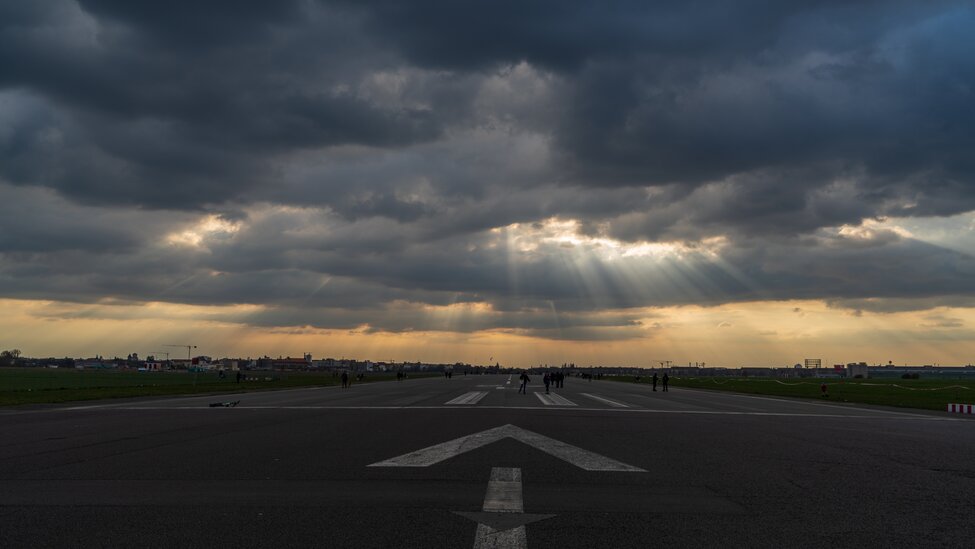
Present-weather sensors provide real-time information on fog, haze and precipitation type and intensity, helping distinguish between rain, drizzle, snow, hail and other liquid or frozen precipitation.
Advanced sensing configurations can also identify freezing precipitation, providing more specific information on conditions that may affect aircraft and exposed airport surfaces. Selected sensors provide present- and past-weather outputs for integration into METAR and SPECI reporting workflows.
Thunderstorm warning systems detect developing or approaching electrical activity. Selected solutions can also identify charged precipitation and strong local electric-field conditions, providing early warning of overhead thunderstorm risk before the first nearby lightning discharge. This information supports safety procedures for aircraft refuelling, baggage handling and other exposed airside activities. Tracking thunderstorm activity as it approaches and leaves the airport area also supports decisions on when exposed airside operations should be suspended or safely resumed.
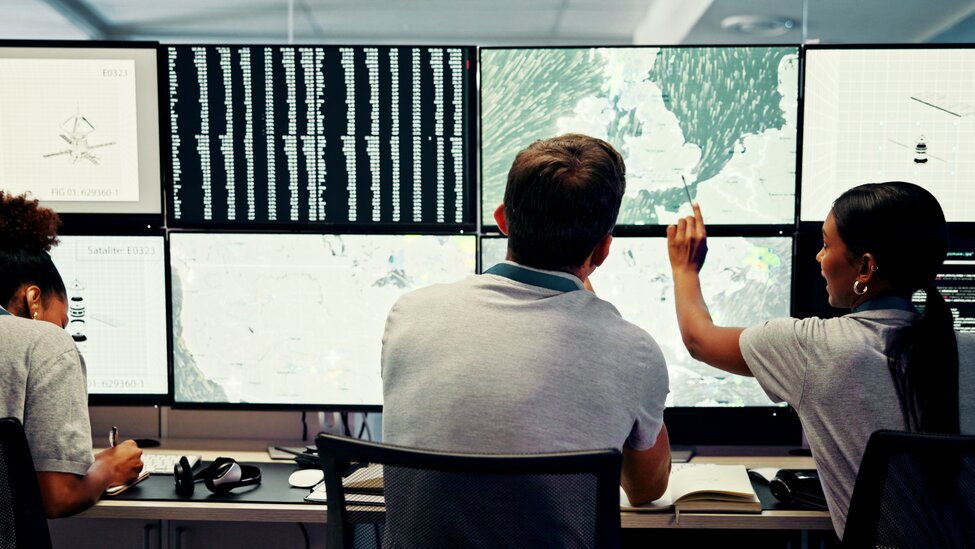
An AWOS depends not only on individual sensor accuracy, but also on continuous acquisition, diagnostics and dependable communication between observation points and the host system.
Sensor diagnostics and alarm functions help identify contamination, instrument faults, communication problems and missing data before they compromise operational awareness. Field-verification tools support routine sensor checks and maintenance while limiting instrument downtime and disruption to airport operations.
Local storage protects observations during temporary connection failures, while remote communication makes current and historical data available to authorised systems and personnel.
By integrating multiple meteorological measurements into a common data-acquisition infrastructure, Senseca components can support centralised AWOS architectures as well as distributed monitoring across runway, taxiway and other airport locations.


The machine does not isolate man from the great problems of nature but plunges him more deeply into them.