
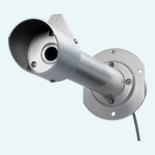
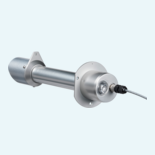
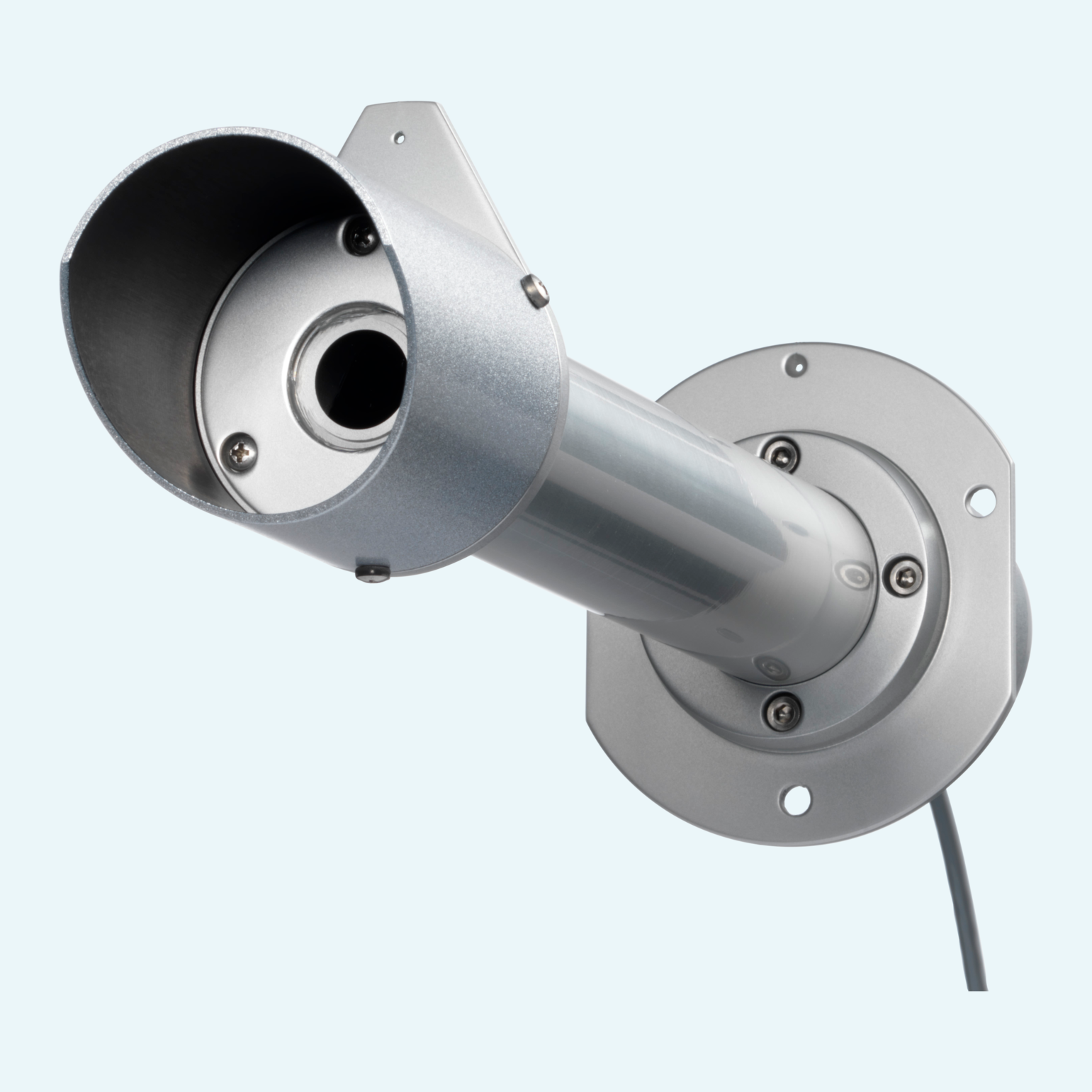
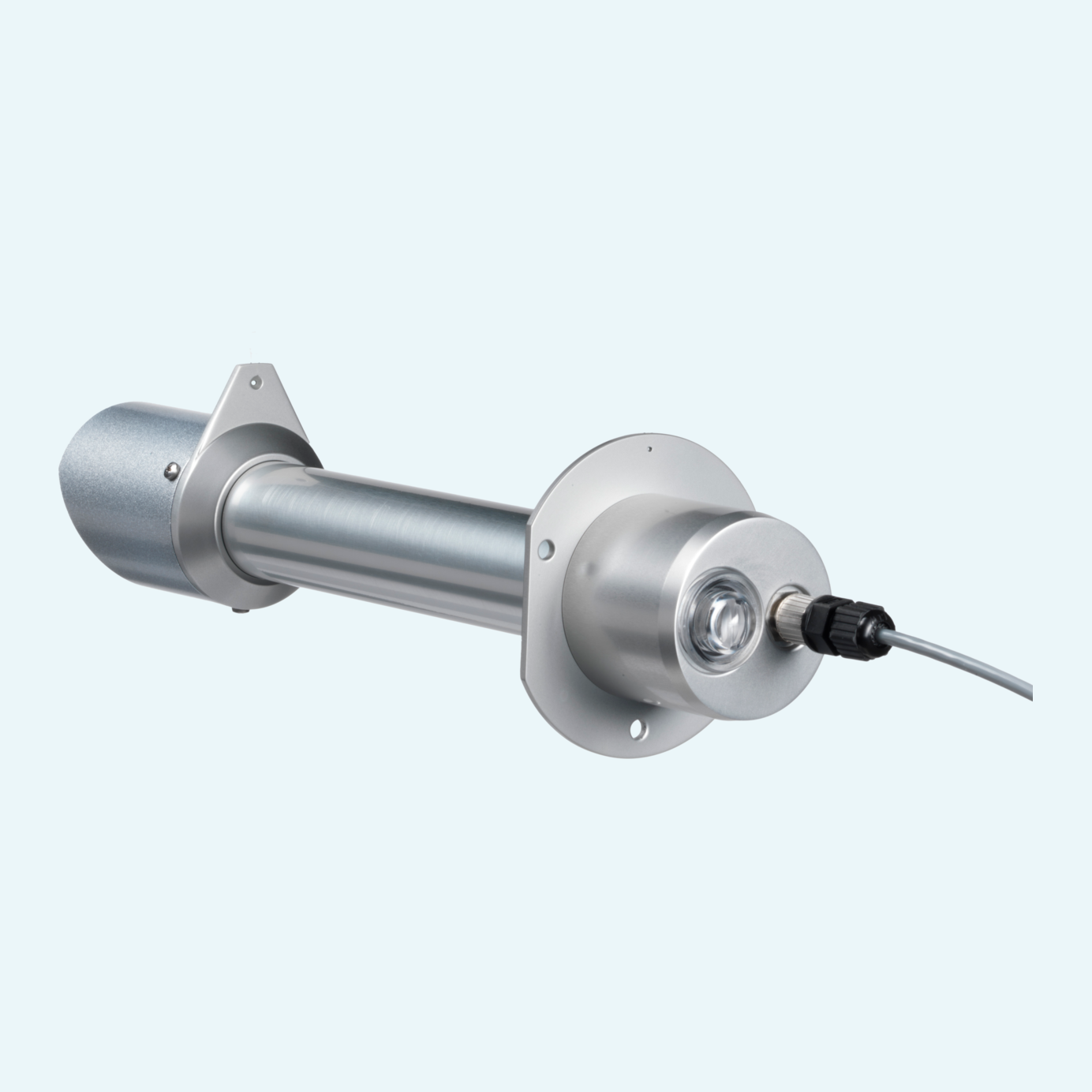
Direct solar irradiance data is only useful when the sensor is correctly aligned and stable over changing field conditions. LPPYRHE16 pyrheliometers measure direct solar irradiance in W/m2 and must be positioned perpendicular to the sun’s rays, typically with a solar tracker.
The series is classified as Spectrally Flat Class B according to ISO 9060:2018 and meets WMO guide requirements. A thermopile sensor with matt black coating measures across a 200…4000 nm spectral range, while the 5° field of view and 1° slope angle support standards-compliant direct beam measurement.
Integration is flexible for solar monitoring networks and stand-alone systems. Models are available with passive mV output, 2-wire 4…20 mA, 0…10 V, 0…1 V, 0…5 V, RS485 Modbus-RTU or combined RS485 plus 4…20 mA output. Each pyrheliometer is factory calibrated and supplied with a calibration report.


Radiant energy is absorbed by the blackened thermopile surface, generating a voltage through the Seebeck effect.
A special quartz window protects the sensor from dust and water and defines the spectral response from 200 to 4000 nm.
A passive compensation circuit reduces sensitivity variation with temperature and supports Class B performance.
LPPYRHE16S and LPPYRHE16ACS use Modbus-RTU, with configurable address, baud rate, parity and stop bits.
Analog output versions correspond to the 0…2000 W/m2 irradiance range, including 4…20 mA and voltage output models.
Front and rear flange holes help align the pyrheliometer by checking that sun beams passing through the first hole reach the second.
Code: LPPYRHE16 [1]
Example: LPPYRHE16AV5
[1] Output
blank = mV output
AC = 2-wire (current loop) 4…20 mA output
ACS = RS485 MODBUS RTU + analog 4...20 mA outputs
AV = 0...10 V output
AV1 = 0...1 V output
AV5 = 0...5 V output
S = RS485 MODBUS RTU serial output