
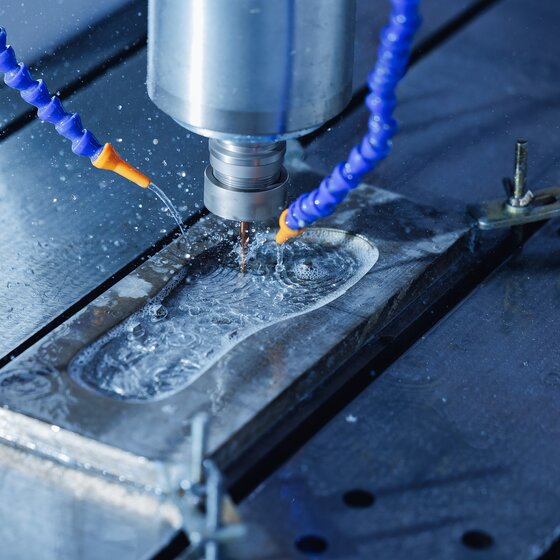
Machine automation covers a broad spectrum of industrial equipment, from hydraulic presses and CNC machining centres to cooling and lubrication systems, packaging lines, and material handling conveyors. What these machines share is a dependence on controlled fluid processes: flow rates, pressure levels, and liquid volumes that must remain within defined limits for the machine to perform correctly and safely.
Not every automated machine requires process instrumentation. Where a machine simply counts cycles or detects position, standard switching devices are sufficient. But wherever flow, pressure, or level needs to be monitored, regulated, or fed back into a control loop, the quality of the sensing device directly determines the quality of the output. Machine builders, OEMs, and plant engineers rely on sensors that integrate cleanly into their control architecture, hold their calibration over time, and perform consistently across the full range of operating conditions the machine encounters.



Automated machines communicate through a variety of signal standards and communication protocols, and a sensor that cannot speak the right language creates integration headaches that slow down commissioning and increase engineering costs. Senseca's flow meters, pressure sensors, and level devices are available with analog outputs (4...20 mA, 0...10 V), switching outputs, frequency outputs, and IO-Link interfaces, covering the signal requirements of the most common PLC and control platforms. Whether you are integrating into a new machine build or retrofitting an existing control system, Senseca's instrumentation is configured to match your architecture, not the other way around.

Machine automation environments range from standard industrial conditions to classified hazardous areas where ignition risks demand certified equipment. Senseca supplies flow switches and transmitters with ATEX approval for use in intrinsically safe circuits, alongside devices rated to IP 65 and IP 67 for protection against dust, moisture, and process fluids. Instruments are available with the certifications and documentation your compliance obligations require, whether that means hazardous area classification, ingress protection ratings, or calibration traceability. Building compliance into the instrumentation from the outset avoids costly retrofits and keeps your machines audit-ready.
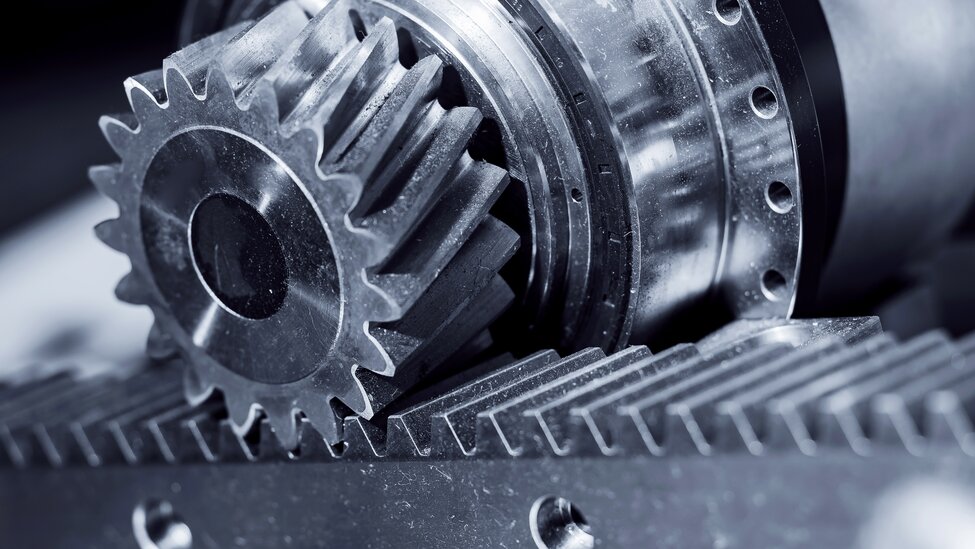
A sensor that drifts, fails, or produces erratic signals does not just affect measurement accuracy, it stops production. Senseca's flow and process sensors are built for continuous industrial duty, with ceramic axes, high-quality bearings, and robust housings designed to withstand the vibration, temperature variation, and fluid contamination typical of hydraulic systems, cooling circuits, and machining environments. Devices such as the FLEX-F combine flow velocity and temperature measurement in a single compact unit with no moving parts in the medium, reducing the number of potential failure points in the machine. The result is instrumentation that holds its performance over time and supports the uptime targets your operation depends on.


Advanced robotics and smart automation technologies have improved production precision and speed, offering higher productivity levels and better quality controls, and removed workers from dull, dirty, and dangerous tasks in manufacturing processes.