

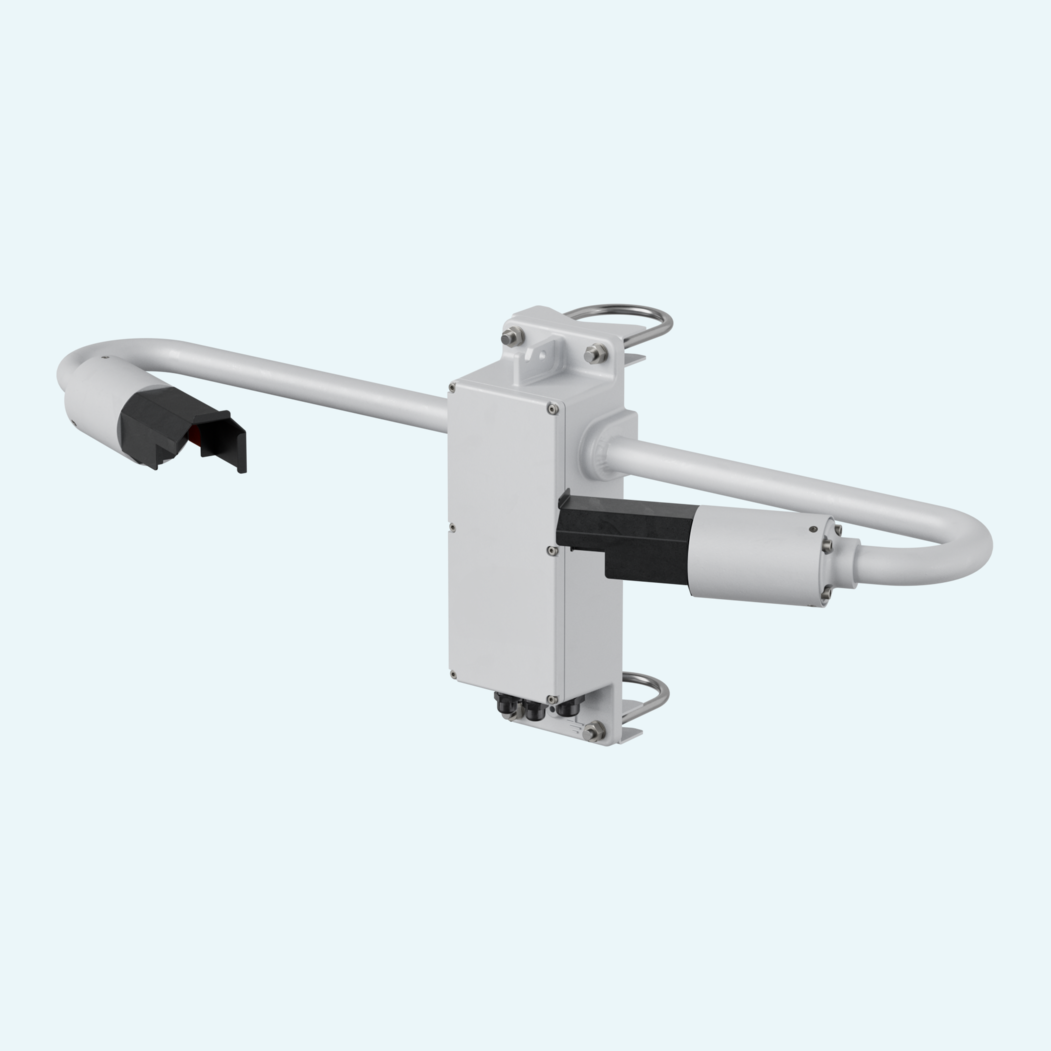
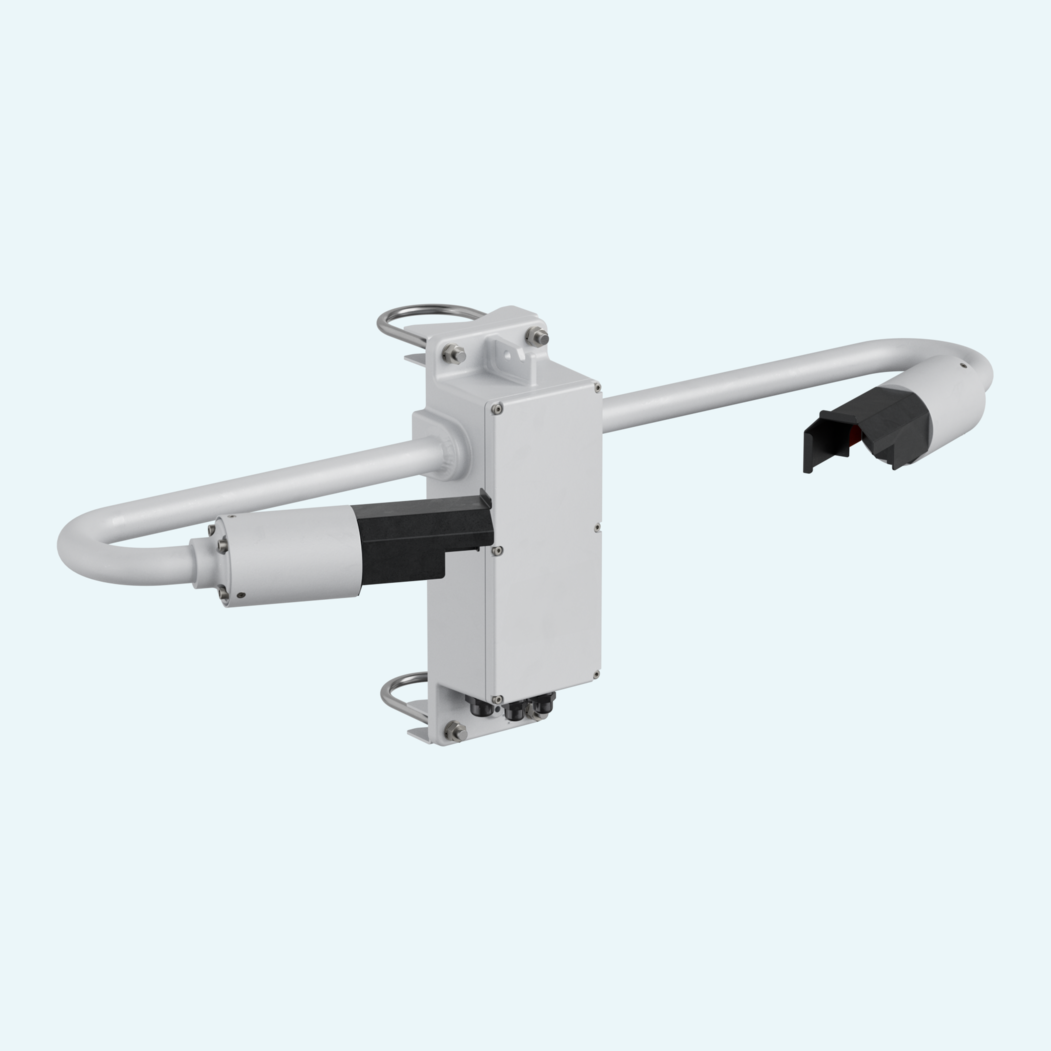
Road operators need visibility data they can trust when fog, spray, rain and snow reduce sight distance and increase risk. RWS-20 is a forward scatter visibility sensor designed for roadside installations, delivering stable Meteorological Optical Range (MOR) measurements from 10 m to 7.5 km and resisting interference from local light sources such as vehicle headlights and warning beacons.
Winter resilience and low maintenance are built into the optical design. Heated optical windows and optional heated hoods support operation in snow and ice, while continuous contamination monitoring applies automatic compensation and provides two-stage cleaning warnings. Calibration is carried out in accordance with ICAO 9328 recommendations and is traceable to an independent national weather service transmissometer, with performance stated as comparable to a transmissometer.
Integration into RWIS and ITS systems is straightforward. RWS-20 provides serial communication via RS232, RS422 or RS485 with ASCII data messages at selectable intervals (10 to 300 s) or on request. It also offers 0...10 V analog output as standard, with optional 4–20 mA and relay outputs for direct connection to loggers, controllers or variable message signs.


Uses a forward scatter meter with 39° to 51° angle, centered at 45°, to measure visibility using IR light.
Reports averaged MOR and can output atmospheric extinction coefficient (EXCO) if selected.
Supports RS232, RS422 and RS485 on the primary interface, with an auxiliary RS232 secondary interface for local programming.
Provides 0...10 V as standard. Optional 0/4...20 mA and three volt-free relays (fault plus two thresholds) are available.
Sensor operates from 9...36 Vdc. Window heaters use 1.7 W, basic sensor uses 3.5 W, and hood heaters (option) use 24 W powered by 24 Vac or dc.
Powder coated aluminum housing with IP66/IP67 rating, operating temperature -40 °C to +60 °C and 0...100% RH.
Code: RWS20. [1] [2] [3] [4]
Example: RWS20.HV.J.NR.RC.
[1] Hood Heating
NH. = Without heating
HV. = With heating
[2] Data Output
J. = RS232 and RS422/RS485 and 0-10 V as standard
L. = 4-20 mA as well as standard output
[3] Optional Relays
NR. = No relays
WR. = including relay outputs
[4] Configuration
RC = Regular configuration
SC = Special configuration