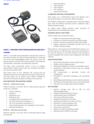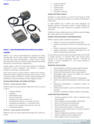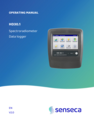
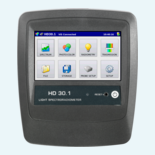
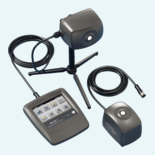
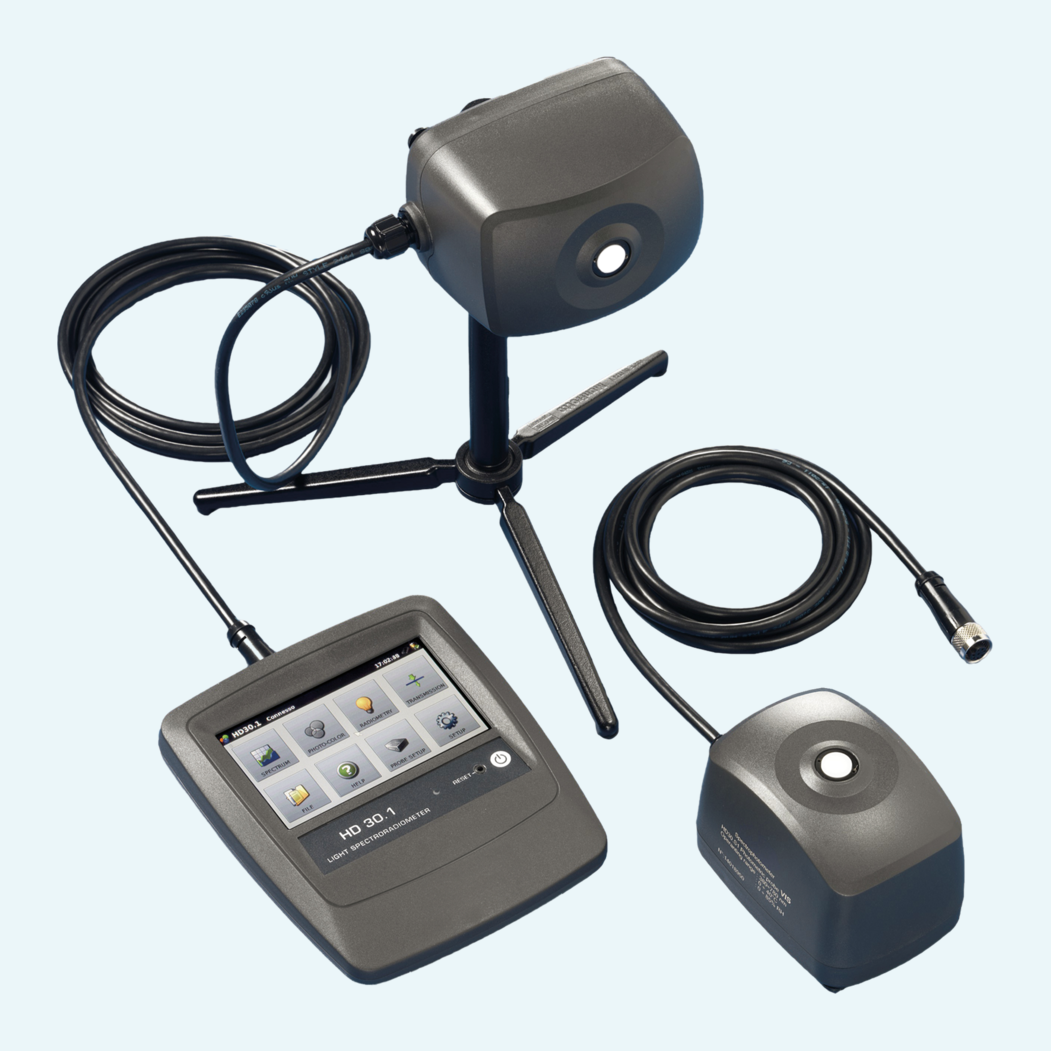
Reliable spectral checks start with clear data on both the quantity and quality of light. The HD30.1 supports visible and ultraviolet analysis with interchangeable probes, helping users assess installed light sources, museum lighting, PAR applications and UV-based processes with one flexible measuring platform.
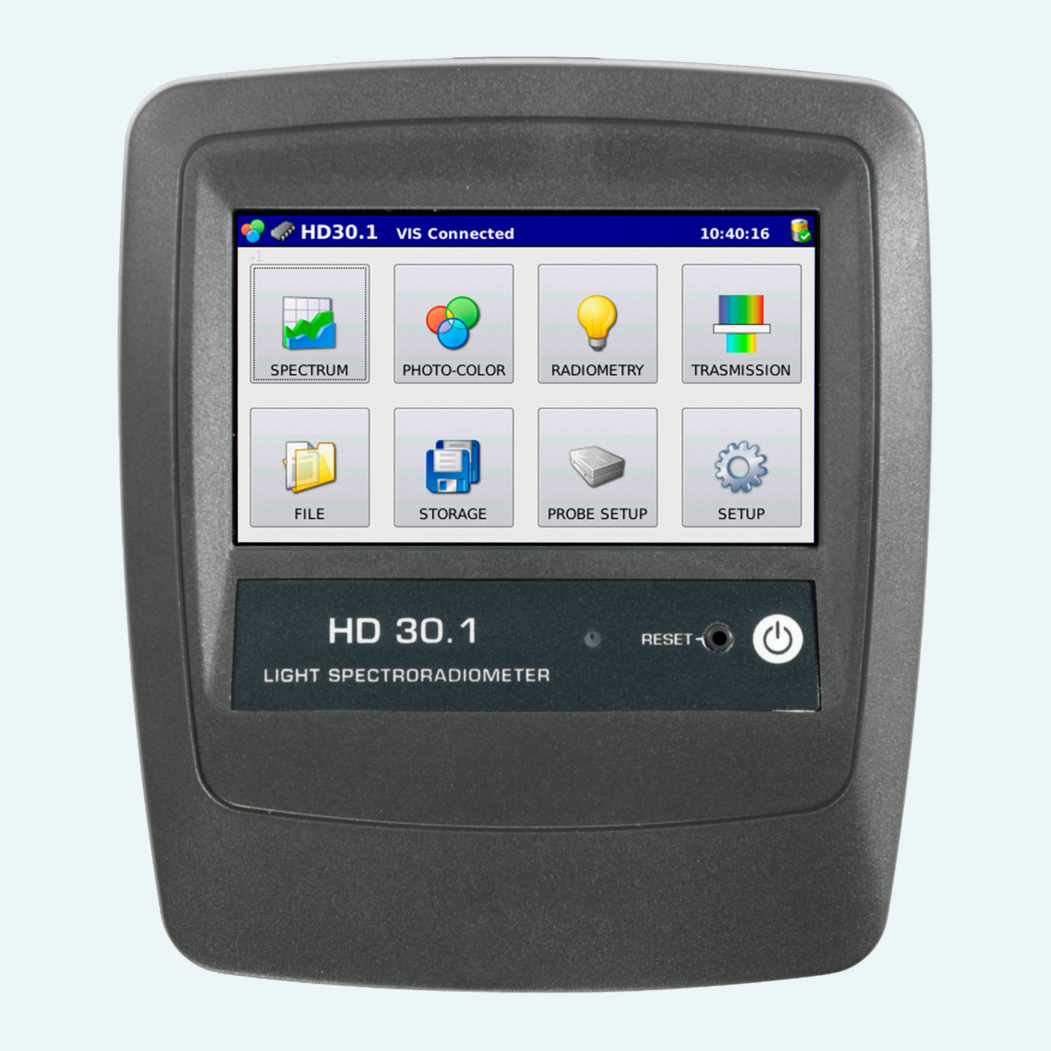
Measurements are easy to run directly on the instrument. The 4.3'' color touchscreen displays spectra and calculated values, while the Linux-based indicator handles data processing, storage and graph image saving. Depending on the connected probe, it calculates illuminance, CCT, trichromatic coordinates, CRI, PAR, UVA, UVB and UVC irradiance.
Confidence comes from traceable probe behavior and practical data handling. Each measuring probe stores its calibration file internally, and the input optics use an opaline quartz diffuser for cosine correction. Results can be saved to 150 MB internal memory, micro SD card or USB device, with export formats compatible with common data analysis programs.


With the HD30.S1 probe, the instrument calculates illuminance, CCT, CIE coordinates, CRI values and PAR directly through the onboard software.
With the HD30.S2 probe, the system analyzes the 220 nm - 400 nm ultraviolet spectral region and calculates UVA, UVB and UVC irradiance.
The transmittance mode acquires a reference spectrum first, then measures spectral transmission across the range of the connected probe.
Integration time can be selected automatically or manually from 1 ms to 4096 ms. Up to 20 samples can be averaged for one measurement.
Spectra and derived quantities can be stored in the 150 MB internal memory, on a micro SD card or on a USB device.
The instrument connects to a PC via Ethernet cable or mini USB connector for measurement handling and data transfer.
The HD30.1 operates with a rechargeable battery or with the external power supply and USB/DC cable.
Calibration data is stored in the non-volatile memory of each probe and read by the indicator during operation.