
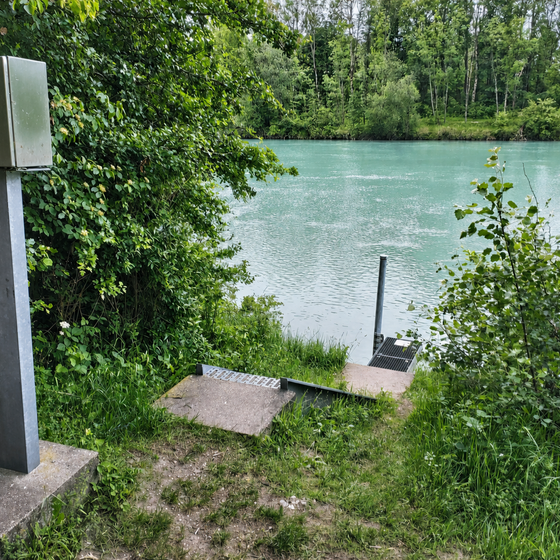
Surface water monitoring covers rivers, rainwater collection systems, and other exposed water bodies where changing conditions can affect infrastructure and the environment. River level monitoring supports tide control and helps operators manage risks around flood protection systems and shipping infrastructure. Accurate level information is also important when water levels rise rapidly or fall below the operating range required by connected installations.
Rainwater monitoring focuses on the concentration of collected rainwater. This provides information about water quality and helps identify changes in the composition of runoff entering storage, drainage, or treatment systems. Depending on the application, typical users include municipal water authorities, flood control operators, port and shipping infrastructure managers, drainage specialists, and environmental monitoring teams.


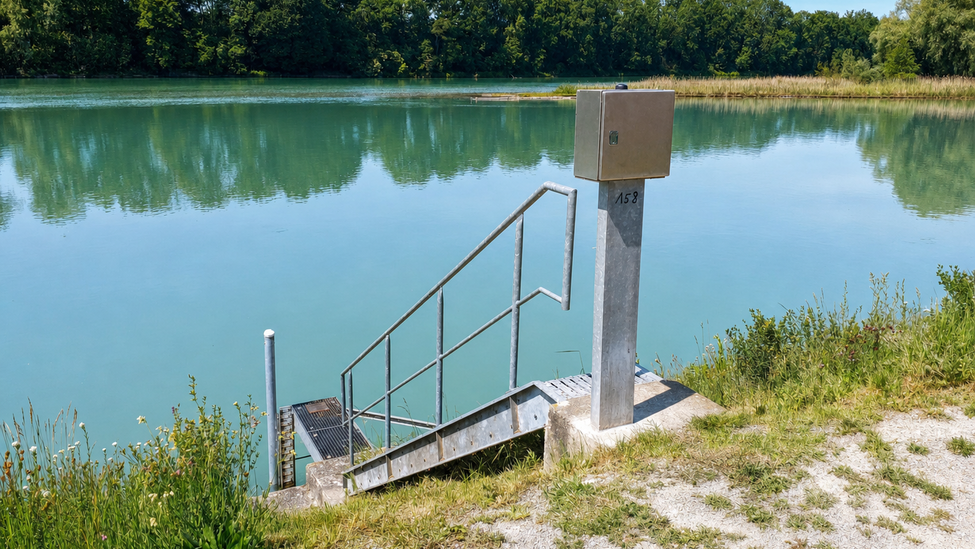
Continuous level measurement provides a clear view of changing conditions in rivers, tide-controlled areas, and rainwater collection systems. Indication and control functions help operators identify rising or falling levels and respond when values exceed defined operating limits. Raw process values or transduced process values can be supplied through analog or digital outputs, allowing integration with existing monitoring and control systems. This supports flood protection, shipping infrastructure, and reliable management of collected rainwater.
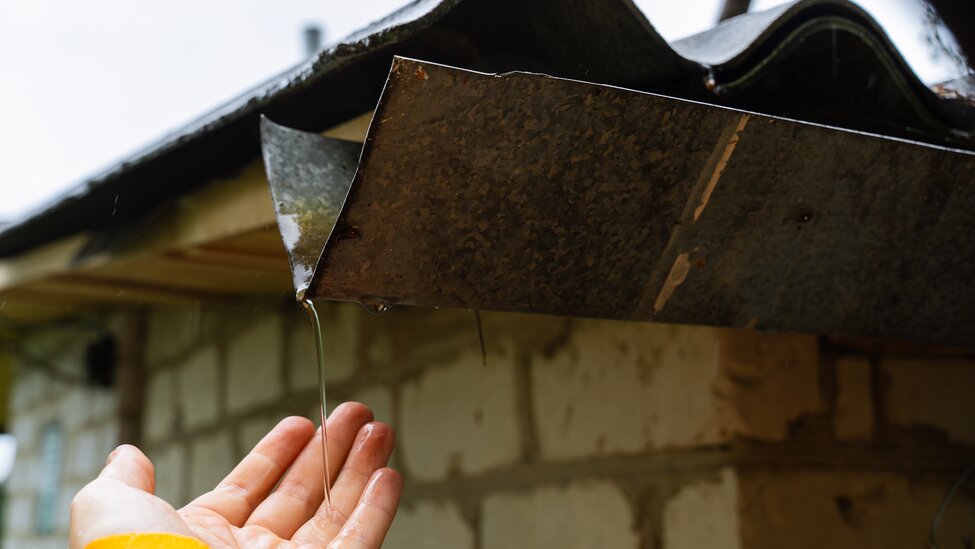
Water analysis measurements provide information about the concentration and quality of collected rainwater. Indication and control functions make these values available for operational assessment, while analog or digital outputs support connection to plant monitoring systems. Continuous access to water quality data helps operators identify changes in runoff composition and decide when further treatment, storage, or other process action may be required. Temperature and flow measurements can add useful context to the analysis.
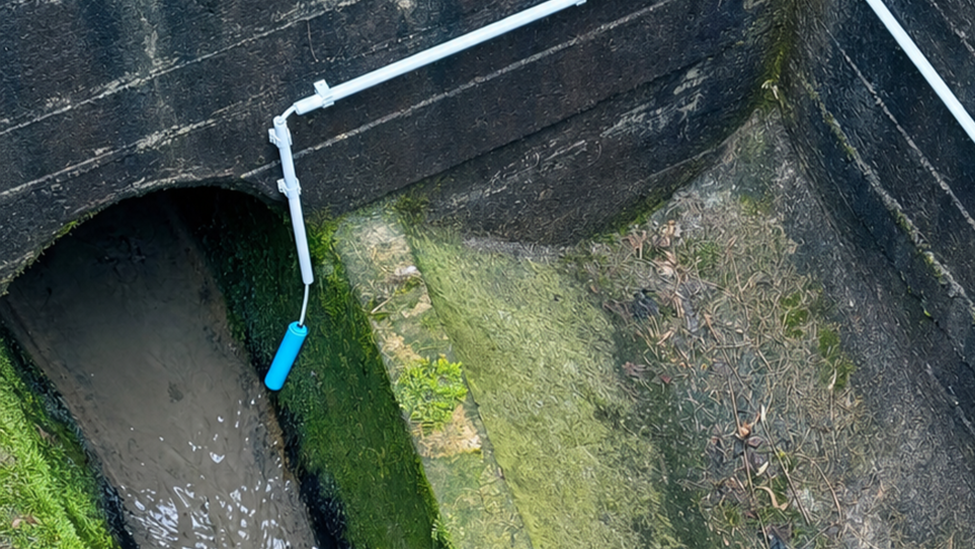
Raw process values and transduced process values can be provided through analog or digital outputs, supporting integration with existing control and monitoring systems. This allows operators to receive level, flow, temperature, and water analysis data in a usable format for supervision, alarms, and operational decisions. Consistent data transmission also helps connect measurement points across rivers, rainwater collection systems, and flood control infrastructure.



Between 1980 and 2024, floods accounted for 47% of economic losses caused by weather- and climate-related extremes in the EU.