

A public venue is rarely a single, uniform environment. A stadium, golf club, cultural complex, exhibition centre, park or leisure facility may include crowded interiors, sheltered transition spaces, exposed outdoor areas and technical zones, each responding differently to weather, occupancy and use. A single measurement point cannot therefore represent conditions across the entire site.
Outdoors, direct observations of heat, solar exposure, wind, precipitation and thunderstorm activity help teams evaluate conditions around entrances, spectator areas, golf courses, temporary installations and scheduled activities. Continuous local information is valuable both when preparing an event and as conditions evolve.
Inside buildings, changing attendance can affect thermal comfort and air quality. Monitoring temperature, humidity, carbon dioxide and particulate matter helps operators assess conditions in occupied spaces. Sound and light measurements provide further insight into whether individual areas remain appropriate for their intended use.
Behind the public-facing spaces, tanks, water supplies, pools, fountains and heating or cooling circuits also require supervision. Level, pressure, flow and temperature measurements give technical teams greater visibility into the systems supporting everyday venue operation.
Senseca brings these measurements together through connected data acquisition, local recording, remote access, configurable thresholds and alarms, providing venue teams with a coordinated view of conditions across the site.


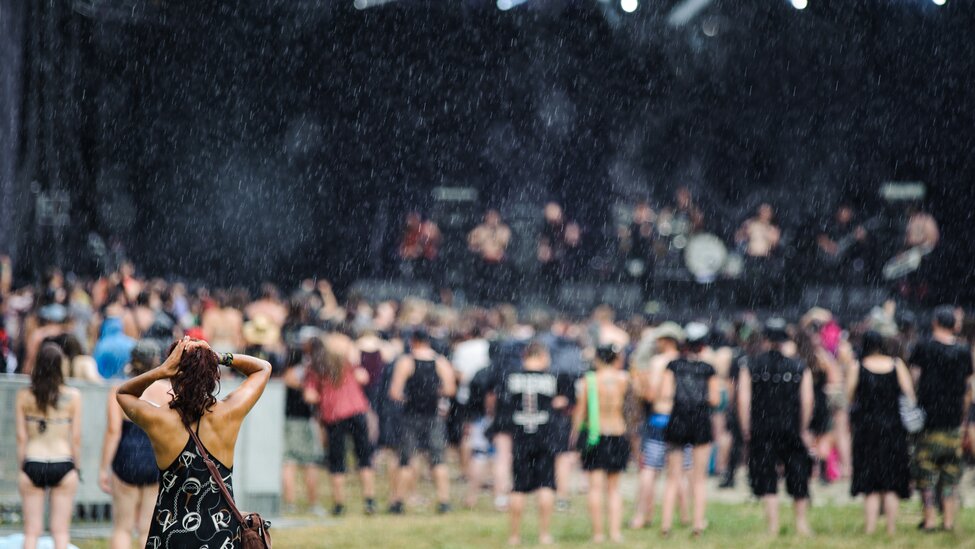
Outdoor venues are exposed to rapidly changing weather. Thunderstorms, strong winds, heavy precipitation, reduced visibility and freezing conditions can affect spectator areas, temporary structures, access routes and scheduled activities.
Golf clubs require particular attention because players, staff and maintenance teams may be distributed across large exposed areas, far from immediate shelter. Local monitoring of thunderstorms, wind and precipitation can support established course-closure, evacuation and sheltering procedures.
Regional forecasts provide essential context, but conditions may differ at the venue. Local weather stations, ultrasonic anemometers, precipitation gauges, visibility and present weather sensors, and thunderstorm warning systems provide direct observations and early awareness of hazardous conditions.
Connected data loggers transmit measurements and configurable alarms, helping teams coordinate operations and apply established safety procedures.
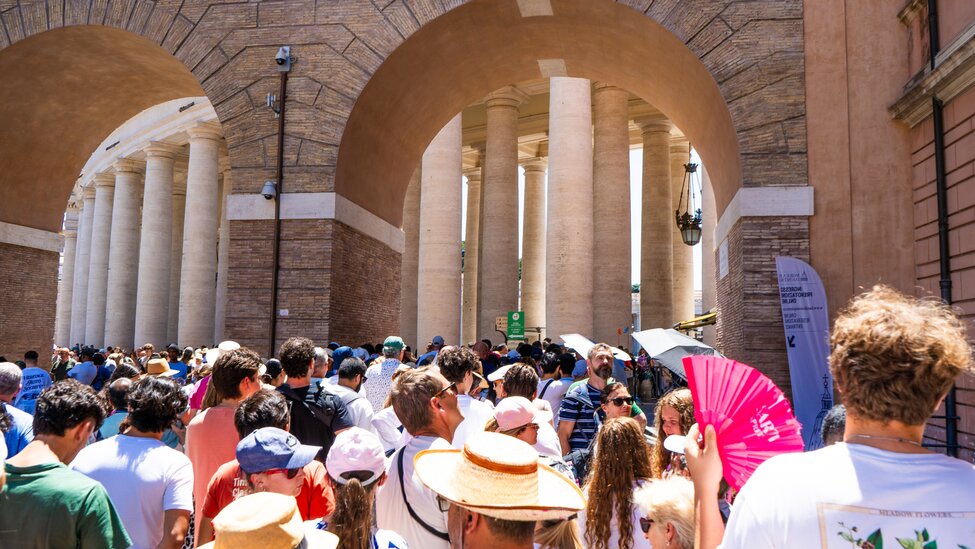
High air temperature alone does not fully describe the thermal strain experienced by people. Humidity, solar radiation, air movement, clothing and physical activity all influence how the body responds to hot conditions.
Risks can vary considerably across a venue. Open spectator areas, queues, artificial playing surfaces, paved plazas, stages and shaded rest areas may experience very different thermal conditions, even within a relatively small site.
Senseca portable and fixed monitoring solutions measure the environmental parameters required to assess heat stress and outdoor thermal conditions. Dedicated instruments combine air temperature, relative humidity and globe-temperature measurements to determine recognised indices such as the Wet Bulb Globe Temperature.
Location-specific measurements help venue teams identify exposed areas, compare conditions across the site and follow changes throughout an event. The resulting information can support established measures such as modifying schedules, increasing access to shade or water, adjusting work–rest cycles and communicating risks to staff and visitors.

Occupancy can change rapidly in arenas, theatres, exhibition halls, museums, clubhouses and indoor leisure facilities. As spaces fill, temperature, humidity, carbon dioxide and particulate matter may change, affecting perceived comfort and indoor air quality.
A single measurement cannot always represent an entire building. Entrances, seating areas, concourses, meeting rooms and service zones may differ because of occupancy, use, ventilation patterns and proximity to outdoor sources.
Senseca handheld instruments, transmitters and connected monitoring systems provide spot measurements or continuous records across selected areas. Carbon dioxide provides a useful indicator of ventilation conditions in occupied spaces, while particulate-matter measurements help identify changes associated with occupancy, specific activities or outdoor air entering the building. Configurable thresholds and alarms help teams recognise when predefined limits are approached.
By comparing measurements over time and across locations, facility teams can investigate recurring conditions, evaluate operational adjustments and maintain a clearer overview of the environments experienced by visitors and staff.

Sound and lighting requirements vary throughout a public venue. Conditions suitable for a performance area may be inappropriate for entrances, circulation routes, exhibition spaces, hospitality zones or nearby quiet areas.
Senseca acoustic instruments support sound-level surveys, spot checks and continuous monitoring, helping operators document conditions at selected locations and understand how they change during different activities. These measurements can provide an initial overview and, where necessary, lead to dedicated assessments of building acoustics, speech intelligibility, occupational exposure or environmental noise.
Portable light-measurement instruments help assess illuminance and other photometric quantities in areas used by visitors and staff. Measurements can support checks of general lighting, working areas, access routes, displays and spaces with changing natural or artificial light.
Together, acoustic and light measurements provide objective information for comparing venue areas, investigating concerns and verifying whether conditions remain appropriate for each space and its intended use.


The environment is where we all meet, where we all have a mutual interest; it is the one thing all of us share.