
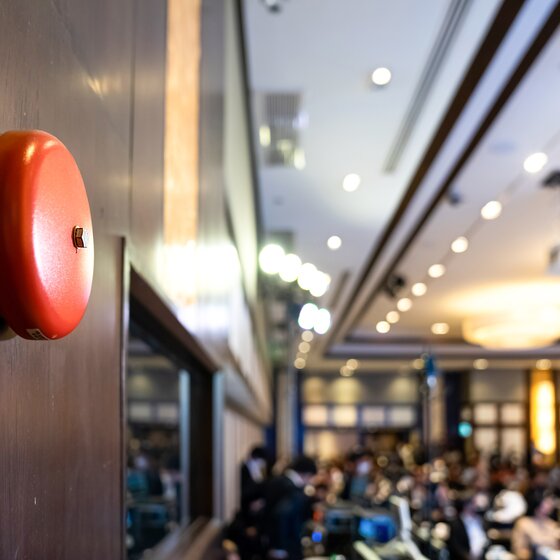
Every location where people work, exercise, or gather presents a combination of environmental risk factors, some obvious, many not. Noise levels, air quality, thermal stress, artificial optical radiation and inadequate lighting can each contribute to occupational illness or injury, often through cumulative exposure rather than a single incident.
Health and Safety officers, workplace inspectors and facility managers are responsible for identifying and managing these factors before they cause harm. This requires more than periodic checks: it demands traceable, quantified data that can demonstrate compliance with occupational health standards and, where necessary, stand up to regulatory or legal scrutiny. From manufacturing floors and laboratories to dental surgeries, sports halls and public transport hubs, the range of environments is broad, but the underlying requirement is consistent: accurate, reliable measurement of the conditions people are exposed to, every day.


Many occupational safety standards are not based on a single parameter but on composite indexes derived from multiple simultaneous measurements. Thermal stress, for example, is expressed as the Wet Bulb Globe Temperature (WBGT), PMV and PPD index, which combines air temperature, radiant heat, humidity and air movement through standardized formulas, with separate calculations applying to indoor and outdoor environments. Senseca provides complete measurement systems, not individual sensors in isolation, that acquire all required inputs and compute the relevant safety index directly. The same integrated approach applies to indoor air quality assessments combining particulate matter, gas detection and microclimate parameters, as well as to noise and vibration exposure evaluations. This gives Health and Safety professionals a single, reliable result they can act on.

When measurement results are used to prove compliance, the credibility of the instrument matters as much as the reading itself. Senseca's occupational safety instruments, from professional-grade systems to field-ready portable devices, are fully traceable and available with accredited calibration certificates. This means their results are recognized by occupational health authorities, accepted in workplace inspections, and, where required, admissible as evidence in legal proceedings. Whether your team is conducting routine monitoring or responding to a formal investigation, the data produced by Senseca instruments carries the documentary weight that regulatory frameworks demand.
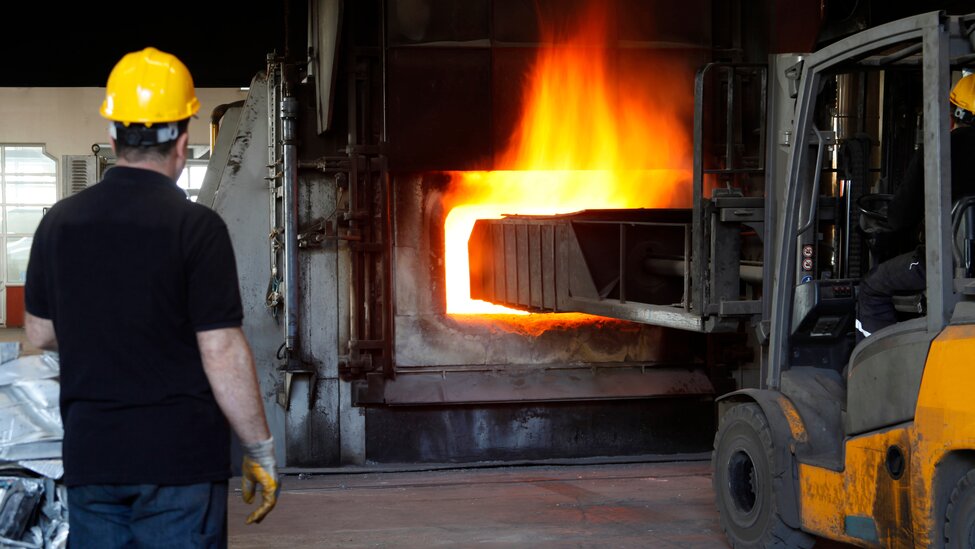
Insufficient, uneven, or poorly controlled lighting is one of the most common occupational hazards. In precision environments such as dental surgeries, laboratories, and quality-control stations, inadequate illuminance or excessive exposure to artificial optical radiation can affect task performance, increase the risk of errors, and contribute to eye strain.
Senseca’s light measurement instruments help assess illuminance levels, lighting distribution, and exposure to artificial optical radiation. The Artificial Optical Radiation meters are supporting the evaluation of optical radiation in the workplace, while the spectroradiometers provide detailed information about the spectral characteristics of light. Together, these instruments provide the objective data needed to verify lighting conditions against applicable ergonomic, safety, and legal requirements.
Measurements can be carried out quickly across multiple points, giving facility managers and occupational safety professionals a clear picture of existing conditions and helping them identify where corrective action may be needed.


Work-related diseases and injuries cost the global economy an estimated 5.4% of GDP annually, with physical and environmental hazard exposure, including noise, heat stress, and poor air quality, among the leading contributing factors.