
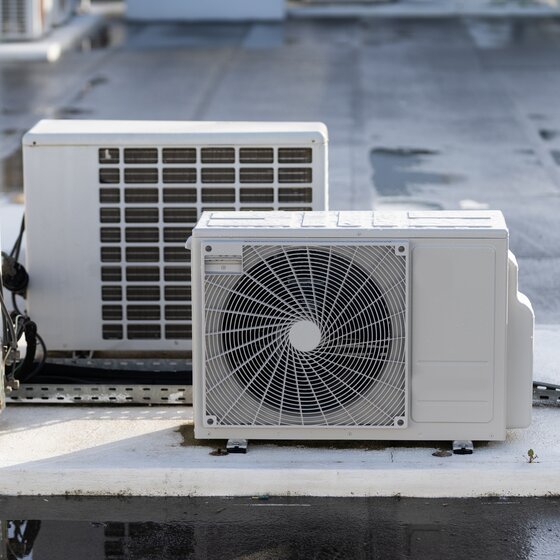
A connected building can respond effectively only when it has reliable information about changing conditions. Occupancy, room use, orientation and solar exposure create different heating, cooling and ventilation requirements across the building. Temperature and relative humidity indicate thermal and moisture conditions, while CO₂, VOC and particulate-matter measurements provide insight into indoor air quality.
Within HVAC systems, air velocity, volumetric flow and differential pressure help technicians verify air distribution, filter condition and pressure relationships between spaces. Temperature, pressure and flow measurements in heating and cooling circuits provide further information about how energy is being distributed throughout the building.
Local outdoor measurements add essential context. Temperature, humidity, wind, solar radiation and precipitation help building systems respond to changing weather and allow facility teams to interpret variations in heating and cooling demand more accurately.
Permanent transmitters provide continuous input to building automation systems. Portable instruments support commissioning, ventilation balancing and troubleshooting, while data loggers reveal how conditions vary between zones and over time.
By combining stable sensors, connected data acquisition and traceable calibration, Senseca helps facility teams maintain healthy indoor environments, verify HVAC performance and support more efficient building operation throughout the building lifecycle.



Comfort and indoor air quality can vary significantly between rooms, occupancy periods and building zones. Air temperature and relative humidity describe thermal and moisture conditions, while CO₂ provides a useful indication of ventilation adequacy. VOC and particulate-matter measurements add further information about indoor contaminants.
Senseca HVAC transmitters provide continuous temperature, humidity and dew-point measurements for wall, duct or remote-probe installation. CO₂ and multi-parameter instruments support fixed monitoring and portable diagnostics across different building areas.
Indoor data loggers record conditions over time, helping facility teams investigate intermittent complaints and compare zones. Fixed illuminance transmitters continuously measure available light and provide signals to data-acquisition or building-control systems, supporting visual-condition assessment and daylight-responsive control of artificial lighting.
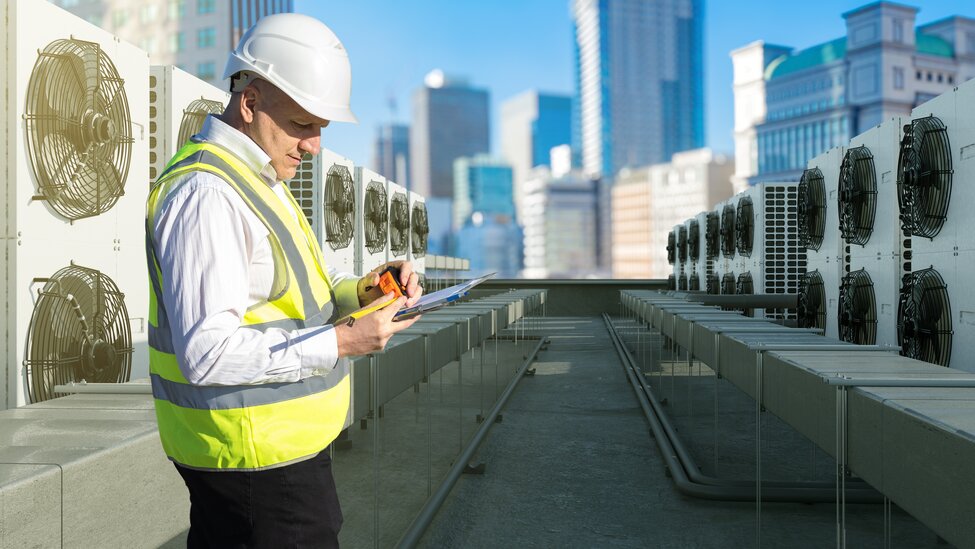
A ventilation system must deliver the intended amount of air to each occupied space. System design alone cannot confirm whether actual performance remains correct after installation, adjustment or changes in building use.
Senseca instruments measure air velocity and volumetric flow in ducts, at grilles and across air outlets. These measurements support HVAC commissioning, air balancing and troubleshooting by helping technicians identify areas receiving too much or too little air.
Differential-pressure measurements provide additional information about pressure drops across filters and pressure relationships between rooms, corridors and controlled areas. Portable instruments support individual checks, while permanent transmitters allow critical conditions to be monitored continuously.
By comparing measured airflow with design targets across different terminals and zones, technicians can detect imbalances, verify corrective adjustments and document system performance. Reliable ventilation measurements help ensure that occupied spaces receive the intended air supply while avoiding unnecessary airflow and associated energy use.
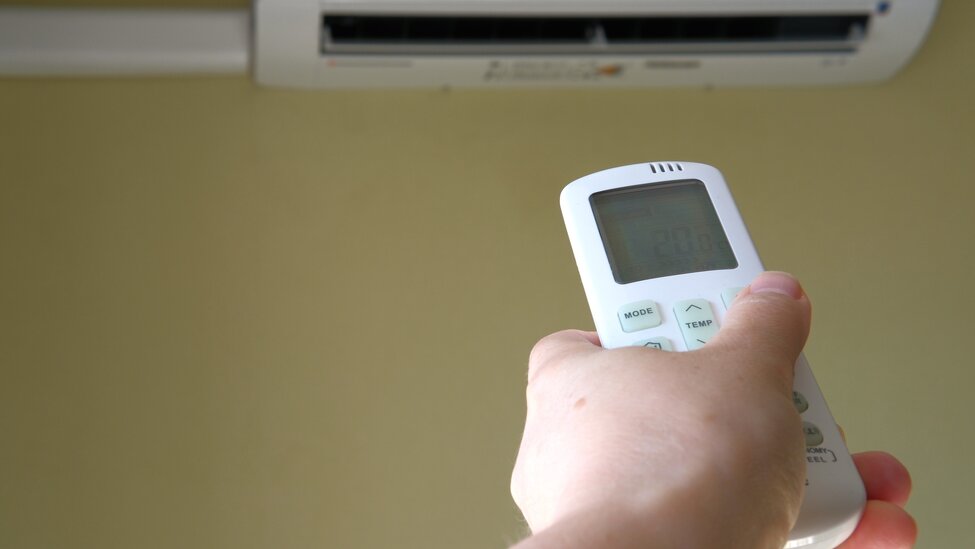
Heating and cooling systems may continue operating even when energy is not being distributed effectively throughout the building. Uneven room temperatures, insufficient circulation and unexpected pressure conditions can indicate that system performance differs from its intended design.
Measurements of supply and return temperature, pressure, differential pressure and flow provide insight into conditions within heating and cooling circuits. They help technicians verify circulation, assess operating points and recognise restrictions or imbalances that may affect heat transfer and occupant comfort.
Senseca portable instruments support commissioning, maintenance and targeted troubleshooting. Installed transmitters and connected data loggers provide continuous records that reveal how conditions change during start-up, occupied periods, reduced operation and seasonal transitions.
Comparing circuit measurements with room conditions and building-management data helps facility teams investigate underperforming zones, verify adjustments and understand whether heating and cooling are reaching the areas where they are needed. This supports more stable indoor conditions and more informed HVAC optimisation.

Large buildings may contain hundreds of measurement points. Sensor drift, poor installation or isolated data gaps can gradually reduce control quality without producing an obvious system failure.
Senseca offers wired, RF, LoRaWAN, Wi-Fi and Ethernet monitoring options for rooms, ducts and technical areas. Data loggers store measurements locally and transmit them to central software, while configurable alarms help operators identify excursions, communication problems and changing conditions.
Building-control systems can also use illuminance measurements to adjust artificial lighting in response to changing daylight conditions.
Interchangeable digital probes retain their calibration data, simplifying replacement and multi-point diagnostics. Portable reference instruments allow technicians to compare installed transmitters with independent measurements during maintenance. Combined with planned calibration for temperature, humidity, pressure, air speed and light, this approach helps preserve consistency between zones and provides an evidence-based view of HVAC performance over time.


We shape our buildings and afterwards our buildings shape us.