

Wind is the fuel of every wind energy project. Accurate measurements of wind speed and direction help characterise the available resource, understand local variability and support informed decisions during project development and operation. Temperature, relative humidity and atmospheric pressure provide the additional information required to calculate air density and correctly interpret changing wind conditions.
Once turbines are operating, local meteorological observations provide an independent reference for comparing energy production with the wind actually available. Continuous measurements support turbine monitoring, yaw alignment, performance analysis and the investigation of production losses caused by changing atmospheric conditions.
Reliable operation also depends on the turbine’s auxiliary systems. Monitoring coolant circulation in wind generators helps identify insufficient flow and supports the protection of components that rely on continuous heat removal.
Wind farms must also remain safe and minimise their impact on surrounding communities. Visibility measurements can support the control of aviation obstruction-light intensity where permitted by applicable regulations. Present weather sensors identify fog, rain, snow and freezing precipitation, while thunderstorm warning systems provide early warning of developing or approaching electrical activity, supporting timely safety procedures for personnel, equipment and site access.
Continuous data acquisition, remote communication and sensor diagnostics keep this information available to operators and monitoring systems when decisions need to be made.


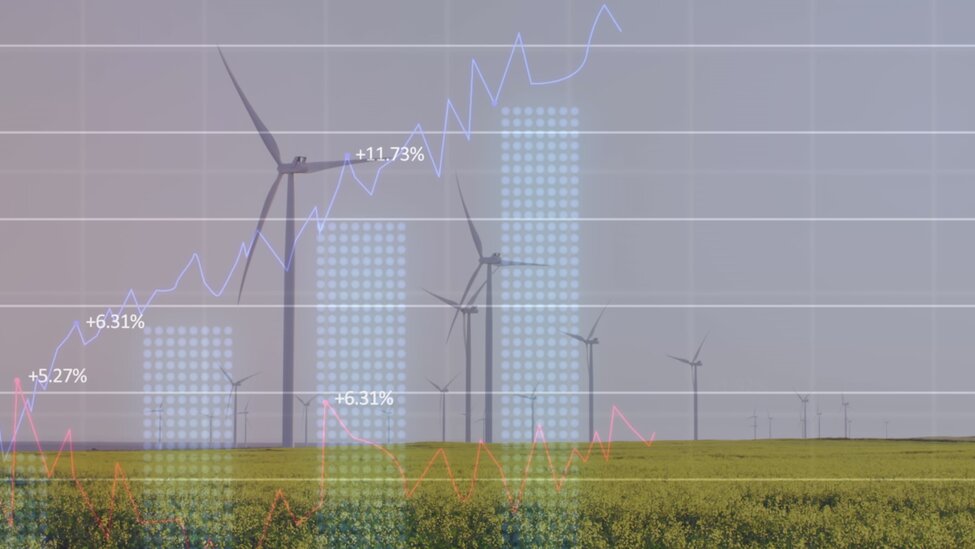
Before a wind energy project is developed, long-term wind measurements help characterise local conditions, reduce uncertainty in energy-yield estimates and support decisions concerning turbine selection and wind farm layout.
Wind speed, direction and gusts should be monitored at representative locations. Gust measurements capture short-duration wind-speed peaks that may affect turbine loads, while temperature, relative humidity and atmospheric pressure support accurate air-density calculation.
Senseca offers 2-axis and 3-axis ultrasonic anemometers for meteorological masts and fixed monitoring stations. With no moving parts, ultrasonic technology provides simultaneous wind speed and direction measurements while reducing mechanical wear and maintenance requirements in exposed environments.
Senseca data loggers collect, process, store and transmit measurements throughout long, unattended monitoring campaigns. Remote communications and diagnostics help operators verify data availability without frequent site visits, protecting the continuity and quality of the assessment.
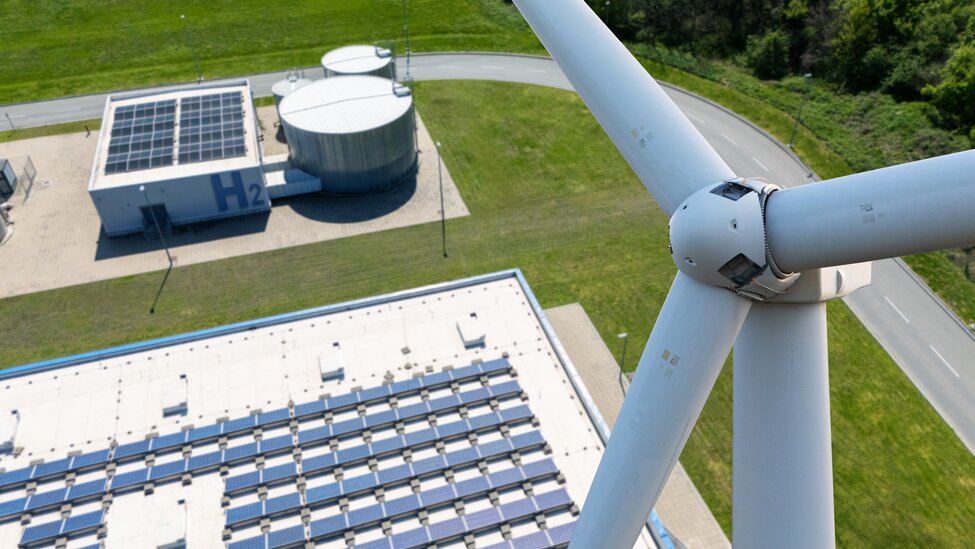
Once turbines are operating, local wind measurements provide an independent reference for interpreting production data.
Combining wind speed, direction and air-density information with turbine and SCADA data helps operators determine whether changes in energy output are caused by atmospheric variability or turbine operation. Directional analysis can also highlight yaw misalignment, wake effects and recurring wind sectors associated with reduced production.
Stable data acquisition and accurate time synchronisation improve comparisons between meteorological and operational data, supporting performance analysis, troubleshooting and long-term asset optimisation.
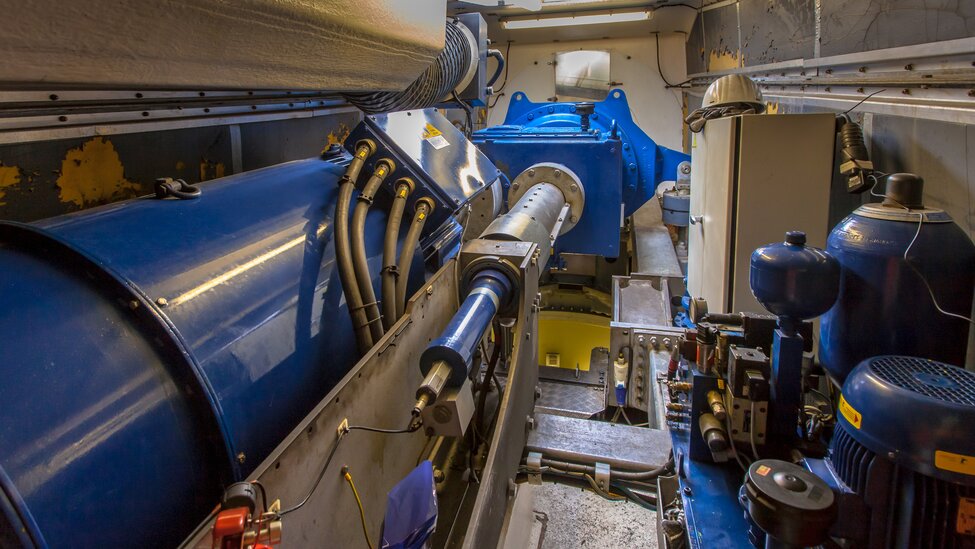
Wind farm availability depends on both environmental conditions and the turbine’s auxiliary systems.
Fog, rain, snow, freezing precipitation, strong gusts and thunderstorms can restrict access, delay maintenance or create unsafe working conditions.
Present weather sensors identify local precipitation and visibility-related conditions, while thunderstorm warning systems provide early warning of developing or approaching electrical activity. This supports maintenance planning, icing-risk awareness, site-access decisions and established safety procedures for exposed personnel and equipment.
Inside the turbine, flow transmitters monitor coolant circulation in wind-generator cooling circuits. Detecting insufficient flow helps protect components that depend on continuous heat removal.
Integrated data acquisition provides operators and control systems with live measurements, alarms and historical records for both environmental and process conditions.

Where permitted by applicable regulations, local visibility measurements can be used to adjust aviation obstruction-light intensity according to current atmospheric conditions.
Reducing light intensity when visibility allows helps limit the impact of wind farms on surrounding communities while maintaining the warning signal required for aviation safety.
Senseca forward-scatter sensors provide reliable visibility measurements, including Meteorological Optical Range (MOR), and are designed to remain unaffected by bright or flashing obstruction lights. Selected visibility and present weather sensors are certified by the German Meteorological Service (DWD) as suitable for use in visibility-controlled wind turbine obstruction-light systems.
Automatic contamination monitoring, robust construction and functional test accessories support reliable measurements and continuous system verification.


Of all the forces of nature, I should think the wind contains the largest amount of motive power.