
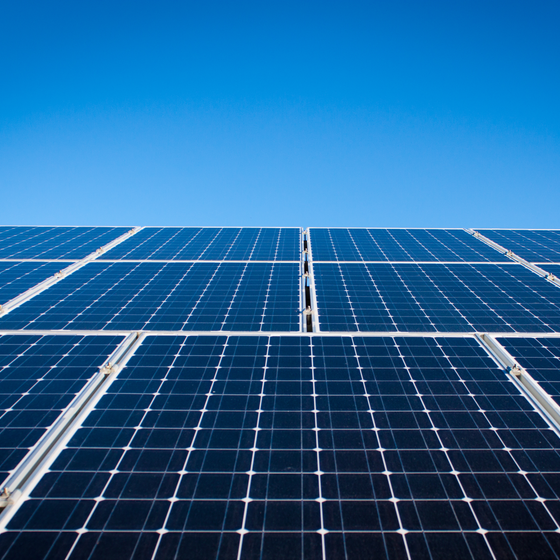
The energy yield of a PV plant depends not only on its installed capacity, but also on changing environmental and operating conditions. Solar irradiance, module temperature, soiling, wind and precipitation can all influence production and make it difficult to distinguish equipment faults from temporary environmental losses.
One of the key indicators used to evaluate PV system performance is the Performance Ratio (PR). It compares the actual system yield with the reference yield derived from the solar irradiation received by the PV array. Since irradiance data forms the basis of this calculation, inaccurate or incomplete measurements can distort the PR, mask underperformance or generate misleading alarms.
Continuous and reliable monitoring gives operators the information needed to identify the causes of energy losses, plan maintenance activities and evaluate plant performance over time.


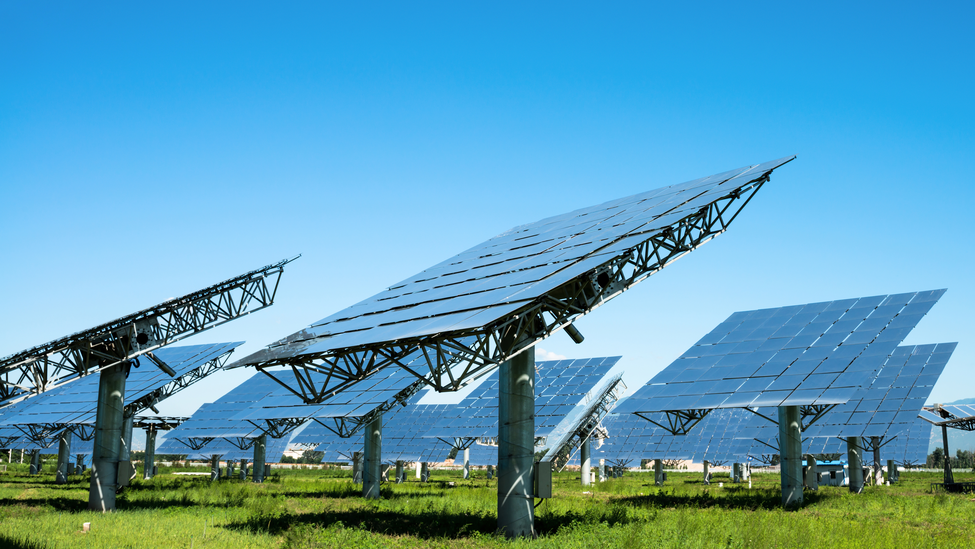
The solar resource available to a PV plant is determined by measuring the different components of solar irradiance relevant to the installation. Global Horizontal Irradiance (GHI) is measured with a horizontally mounted pyranometer, while Plane-of-Array Irradiance (POA) is measured with a pyranometer installed at the same tilt and orientation as the PV modules, providing the main reference for Performance Ratio and yield assessment.
For bifacial installations, rear-side irradiance, reflected irradiance and albedo can be measured using additional pyranometers or an albedometer.
In tracking systems, Direct Normal Irradiance (DNI) is measured with a pyrheliometer mounted on a solar-tracking system, allowing the available direct solar resource to be accurately assessed throughout the day.
Underperformance rarely has a single cause. PV module temperature above 25 °C can reduce the efficiency of a typical module by approximately 0.5% per degree, creating losses that may otherwise be mistaken for reduced solar resource. Contact temperature probes provide continuous monitoring of the panel surface, while shielded temperature and relative-humidity sensors help interpret thermal behaviour and conditions associated with dew, frost and condensation.
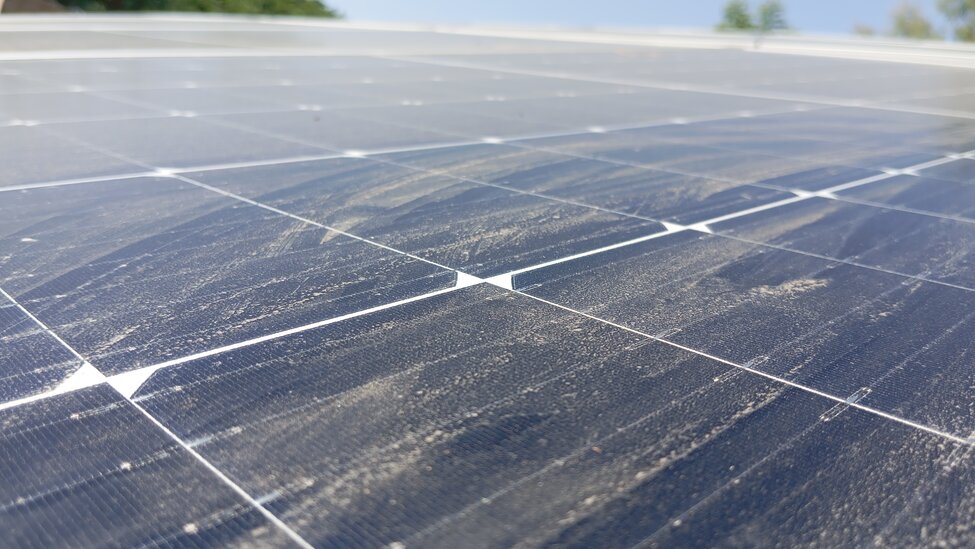
At the same time, dust and surface contamination can progressively reduce the irradiance reaching the modules. A dedicated soiling sensor measures the soiling ratio in real time, allowing operators to quantify these losses and plan cleaning based on actual conditions. Combined environmental data also provides useful context for identifying losses caused by snow, frost and other forms of surface coverage, helping distinguish thermal effects from contamination-related underperformance and select the appropriate corrective action.
Wind, humidity, precipitation, ambient temperature and air pressure iinfluence PV performance in different ways and sometimes in opposite directions. Wind speed and direction, measured with a two-axis ultrasonic anemometer, help assess module cooling, tracker safety and site-specific wind risk. Precipitation measurement using rain gauges provides context for cleaning effects, soiling changes, snowfall and potentially damaging weather events.
Ambient temperature and relative humidity, measured with sensors installed in a protective shield, support the interpretation of module temperature, dew, frost and condensation. Optional barometric-pressure measurement can provide additional context for changing atmospheric conditions. For IEC 61724-1 Class A installations, the effects of dew and frost on irradiance sensors must be mitigated where they are expected during more than 2% of annual GHI hours.
Finally, thunderstorm and lightning detectors provide real-time awareness of approaching electrical activity, supporting preventive actions, personnel safety and post-event analysis. Combined with Senseca data-acquisition systems, these measurements provide a complete and IEC-aligned picture of the environmental conditions affecting plant yield, operation and safety.
Accurate sensors alone are not enough. Monitoring data must also be collected continuously, stored securely and transmitted reliably to provide a complete and consistent view of PV system performance. Senseca data acquisition systems integrate solar irradiance, meteorological and plant-related measurements into a single monitoring infrastructure, enabling continuous data acquisition and local storage.
Their remote communication and data transmission capabilities maintain access to measurements from individual plants or distributed PV portfolios. Sensor status, alarms and diagnostics help operators identify anomalous readings, communication problems and instrument faults, while alarm and data-gap detection highlights missing or incomplete information before it compromises performance analysis.
By supporting the centralised monitoring of single or multiple sites, Senseca data acquisition solutions provide a reliable long-term data flow for performance assessment, fault detection and preventive maintenance.


In order that humanity and nature once again work in unity, humanity must use only the same energy which nature does: the sun’s energy.