
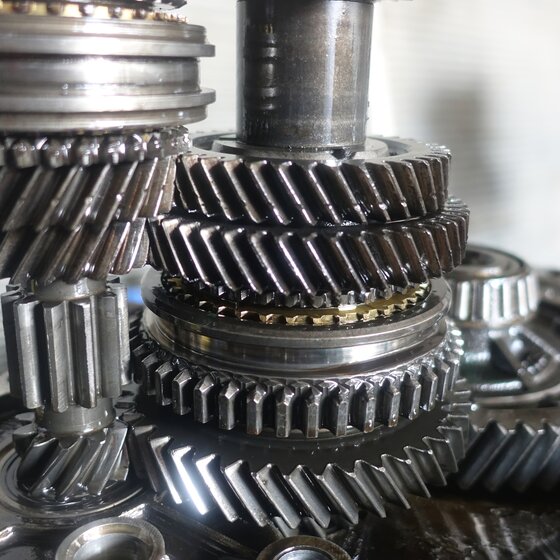
Wherever a machine has moving components, lubrication is at work. Unlike cooling circuits, where the goal is heat removal, lubrication monitoring focuses on ensuring that sufficient media reaches the points where friction occurs, bearings, gears, slides, and spindles. The medium itself is different too: lubricating oils carry significantly higher viscosity than water or coolant, and that viscosity is not constant. As oil temperature rises, viscosity drops; as it falls, viscosity increases. The relationship between temperature and viscosity is central to understanding whether a lubrication circuit is performing correctly.
In industrial applications, maintaining oil temperature within a defined range is standard practice, but temperature control alone does not tell the full story. The condition of the oil changes over time, and knowing when to change it is both a technical and a financial decision. Oil changes in large industrial machines can cost tens of thousands of euros, making premature changes wasteful and delayed changes potentially damaging. Machine builders and plant operators alike need instrumentation that monitors lubricant flow reliably, accounts for the behaviour of viscous media, and supports informed maintenance decisions.


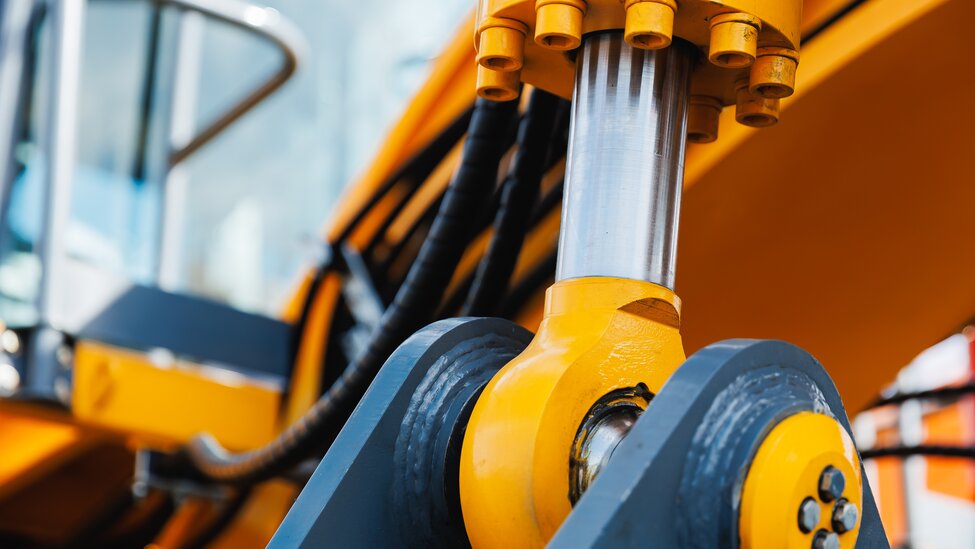
Standard flow meters are calibrated for water-like media and lose accuracy as viscosity increases. Lubrication circuits demand instruments that either compensate for viscosity variation or are genuinely unaffected by it. Senseca's portfolio covers both approaches. Viscosity-independent measurement systems, based on volumetric principles, deliver consistent readings regardless of the oil's viscosity, making them suitable for applications where the lubricant grade or temperature varies. Viscosity-stabilized instruments, such as the HD2K and HR2 series, are engineered to minimize the influence of viscosity on the measured value, maintaining accuracy across a defined viscosity range without requiring continuous correction. For each application, the right instrument type can be selected based on the specific oil, operating temperature range, and accuracy requirement.
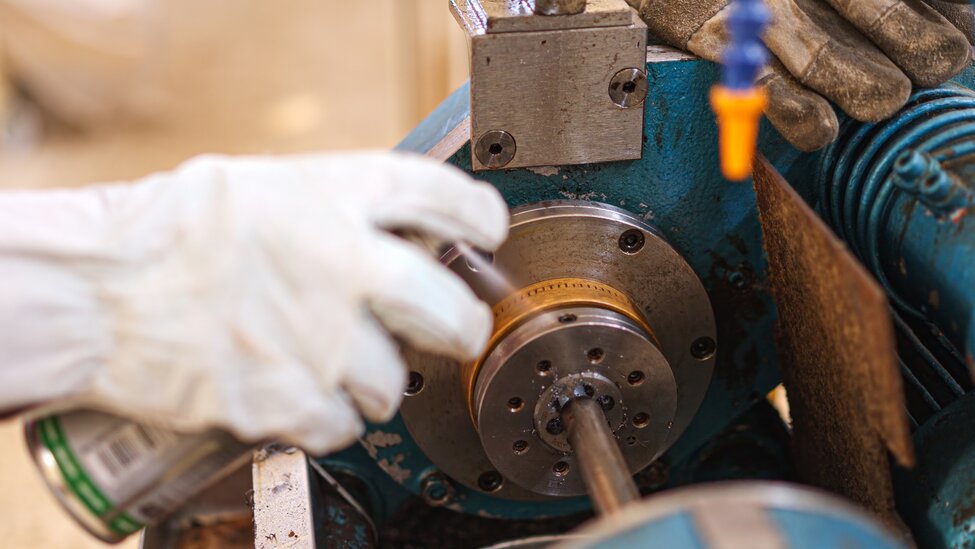
Replacing industrial lubricants on a fixed schedule can lead to unnecessary costs, while extending the interval too far may increase the risk of wear and unplanned downtime. Senseca flow transmitters provide reliable data on lubricant flow behaviour, while temperature measurements add important context to the operating conditions.
These parameters do not directly determine oil quality or replace laboratory oil analysis. However, they help maintenance teams identify changes in the cooling or lubrication circuit, detect abnormal operating conditions, and support more informed maintenance decisions. Combined with equipment history and, where required, oil condition analysis, Senseca measurement data can contribute to a more efficient condition-based maintenance strategy.
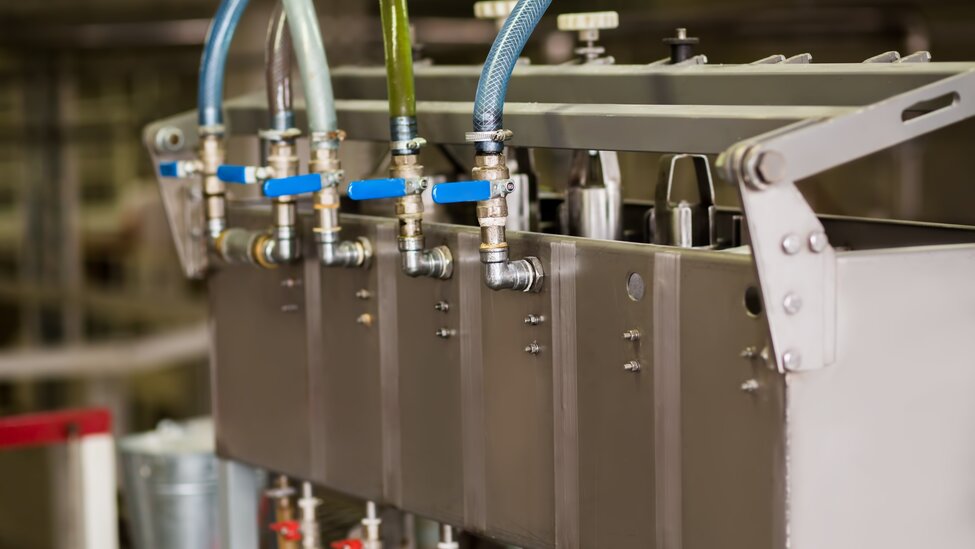
Configuring a flow switch or transmitter on-site requires measurement equipment, technical knowledge, and time, none of which are always available at the point of installation. Senseca pre-sets switching values, measuring ranges, and set points at the factory for each instrument ordered, so devices arrive ready to install and operate without further adjustment. This applies across the viscosity-stabilized range, including the HD2K and HR2 series, which Senseca manufactures and can modify to customer specification, adjusting process connections, materials, pressure ratings, and output signals to match the exact requirements of the machine. Competitors may supply the measurement element; Senseca supplies a configured, application-ready instrument.


When the lubricant film becomes insufficient to separate the contacting surfaces, the risk of friction, wear and bearing seizure increases significantly.