
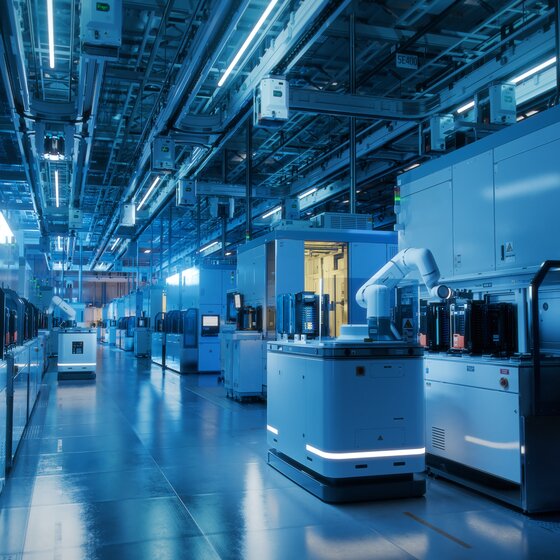
Cleanrooms, pharmaceutical production areas, laboratories and controlled storage spaces must maintain conditions suited to the products, processes and cleanliness classes involved.
Senseca combines installed and portable instruments for temperature, humidity, low differential pressure, non-viable airborne particles and air velocity with data logging, alarms and communication technologies.
These solutions support routine surveillance, targeted verification and the assessment of measured conditions across individual rooms or multiple controlled areas.
The measurement system forms part of the facility’s wider contamination-control and quality strategy. Sensor locations, operating limits and response procedures must be established through the organisation’s risk assessment and applicable requirements.



Temperature and relative humidity requirements vary according to the room, process, materials and products being handled. Conditions suitable for a laboratory may differ from those required in pharmaceutical production, controlled storage or a classified cleanroom.
Fixed transmitters and data loggers provide continuous measurements at critical locations. Wireless or networked configurations make it possible to extend monitoring across multiple rooms, while portable instruments support spot checks and the investigation of unexpected conditions.
Monitoring trends alongside current values helps identify gradual drift as well as sudden deviations. Dew point and other calculated humidity quantities can provide additional information where condensation or moisture sensitivity represents a concern.
Alarm limits and sensor locations should reflect the requirements established through the facility’s risk assessment and quality procedures.

Pressure relationships between cleanrooms, airlocks, corridors and adjacent spaces help maintain the intended direction of air movement and separation between areas with different cleanliness or containment requirements.
Accurate low differential-pressure measurement makes small changes in these relationships visible. Auto-zero technology supports long-term stability, while flush-mounted displays provide a cleanable local indication close to the monitored room.
Configurable warning thresholds can identify a developing loss of pressure before it becomes a prolonged deviation. The resulting alarm may prompt operators to check doors, ventilation conditions, filters or other possible causes according to established procedures.
Continuous records also show whether the pressure cascade remained stable during production and provide evidence for subsequent deviation review.
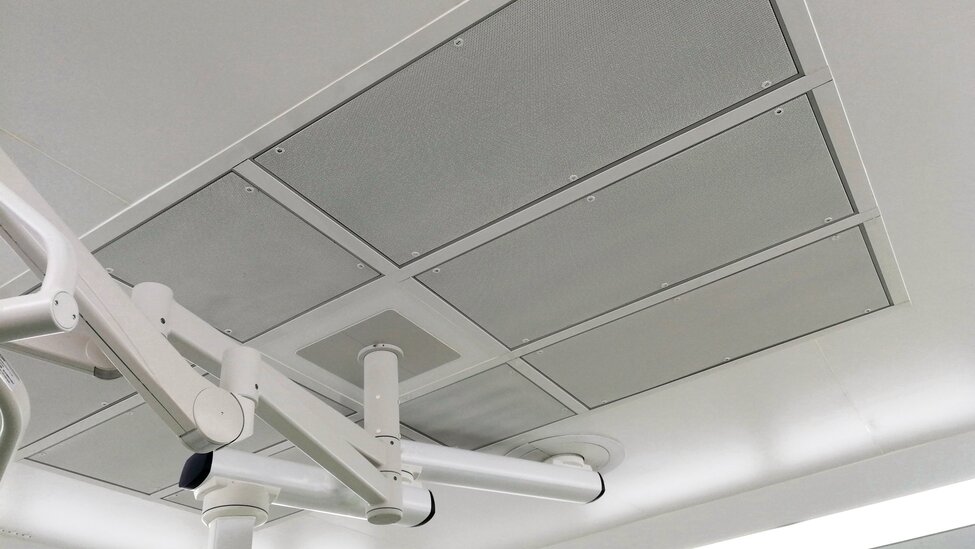
Airborne particle concentration is a defining characteristic of cleanroom air cleanliness. Measuring non-viable particles by size helps identify changes that may indicate an emerging contamination-control issue.
Dedicated particle transmitters can operate continuously or cyclically and provide multiple particle-size channels for integration into the monitoring system. Trending the results helps distinguish isolated variations from persistent or recurring changes.
Air-velocity measurements provide complementary information about ventilation, ducts, clean-air zones and other controlled-air applications. Installed transmitters support ongoing observation, while portable instruments can be used for targeted checks and investigation.
Particle monitoring supports the assessment of cleanroom performance under ISO 14644, but formal classification requires an appropriate sampling plan and defined procedures. Non-viable particle measurement does not replace microbiological environmental monitoring.

A useful environmental record must show what happened, where it occurred and how long it continued. Time-stamped measurements from identified monitoring points allow quality teams to reconstruct an excursion and evaluate its potential impact.
Configurable warning and alarm limits help distinguish developing changes from conditions requiring immediate investigation. Local data retention preserves measurement continuity, while central software can consolidate records from multiple rooms and devices for review.
Optional software functions support controlled user access, protected configuration and records of user operations in applications subject to FDA 21 CFR Part 11 requirements.
Compliance also depends on system validation, documented procedures, user responsibilities and the organisation’s quality system.


Inspection to improve quality is too late, ineffective, costly.