

General principles
Battery cells operate most efficiently within a narrow temperature window. Cells that are too cold deliver less power, while cells that are too warm age faster and increase the risk of thermal events. Fuel cell stacks require a stable operating temperature and a coolant with a defined conductivity.
Two coolant types are typically used:
• Glycol-water mixture for battery circuits and for circuits with frost protection requirements. Monitored parameters include temperature, flow, fill level and the condition of the mixture.
• Deionized water for fuel cell stacks. Conductivity is the central quality parameter here, because dissolved ions can affect electrical insulation and corrosion resistance.
Typical measurement tasks in the coolant circuit:
• Cell and module temperature to detect hot spots and temperature gradients
• Coolant temperature at supply and return for control and heat balance
• Flow in main and branch circuits to verify pump performance and detect blockages or uneven distribution
• Fill level in the expansion tank for early detection of leaks
• Pressure and differential pressure across filters and heat exchangers
• Conductivity to monitor coolant quality
Measured values are transferred via analog signals or digital interfaces (for example via fieldbus Modbus RTU or P2P via IO-Link ) to the battery management system, the vehicle controller or a control room.
Application-specific differences
Vehicles (traction and auxiliary systems). Vehicle applications are characterized by dynamic load changes, outdoor operation and large ambient temperature swings. Measuring points must withstand vibration, humidity and thermal cycling over the long term.
Backup and emergency power systems. Backup applications typically operate at constant load for extended periods, in indoor installations or protected enclosures. The focus is on availability, alarm management and complete documentation.



Hot spots in individual cells or modules often go unnoticed when only mean values are recorded. Resistance temperature detectors (Pt100/Pt1000) at critical modules, combined with transmitters for signal conditioning and BMS integration, make gradients visible early. Measuring the coolant temperature spread between supply and return allows the control strategy to be adjusted in a targeted way.
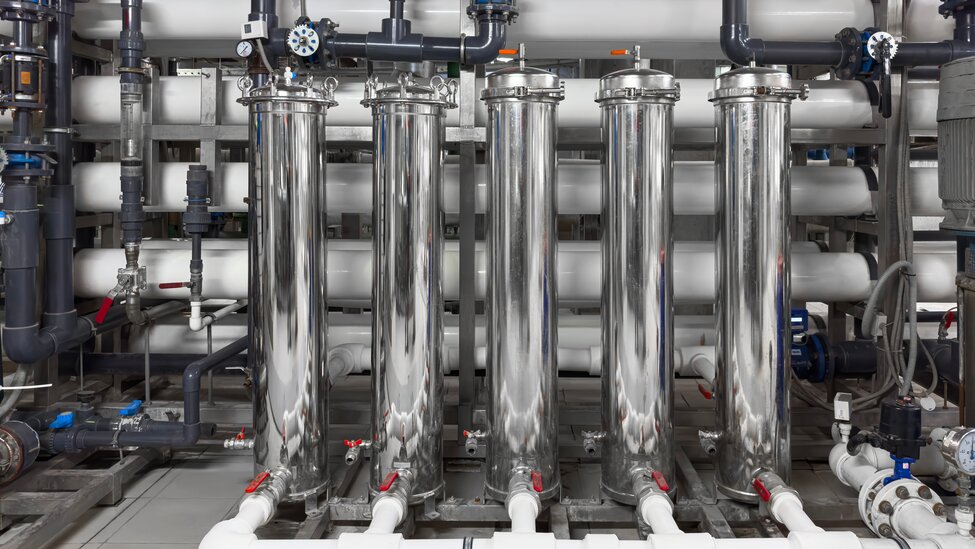
Dirty filters, trapped air or pump wear reduce flow gradually, and cooling capacity drops without an alarm until a temperature limit is reached. Electronic flow meters and flow monitors detect minimum flow and output a signal when deviations occur. Differential pressure measurement across filters shows when maintenance is required, so service can be planned before cooling performance is lost.
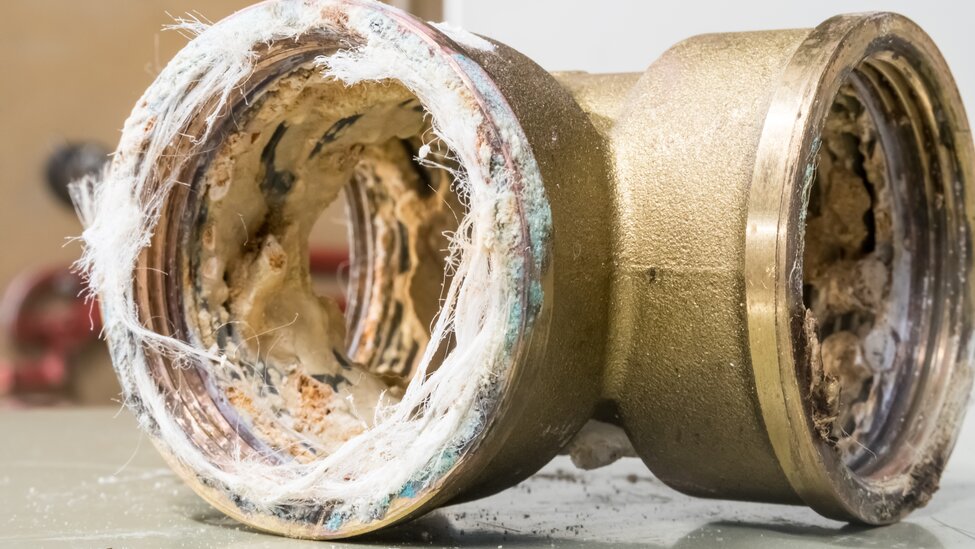
In deionized water, conductivity rises as ions are introduced, for example from materials or seals. Glycol mixtures change in concentration and composition over time. Both affect insulation, corrosion and component life. Conductivity measuring cells and transmitters with temperature compensation enable continuous trend monitoring, so that coolant replacement can be scheduled based on measured condition rather than fixed intervals.
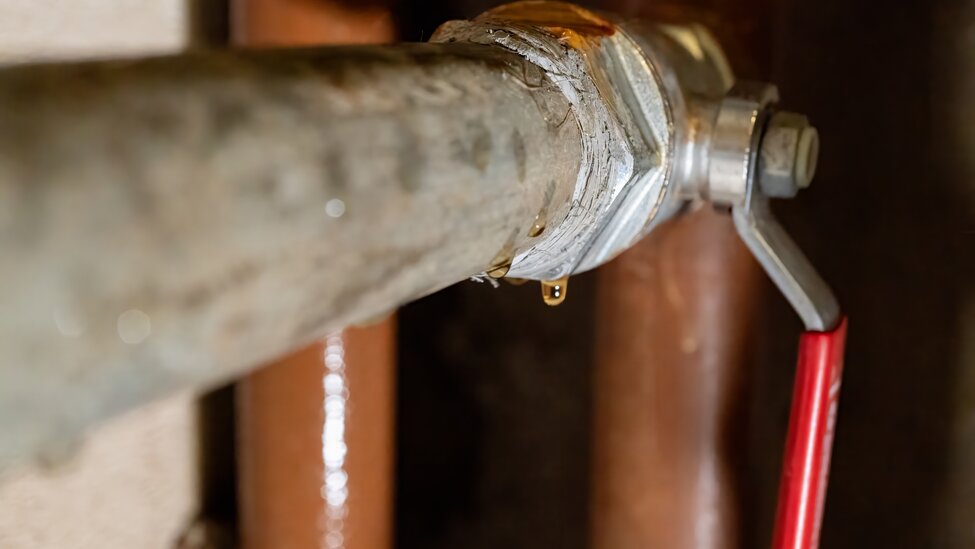
Small leaks in the coolant circuit can remain undetected for a long time. In backup power systems, a gradual loss can make the system unavailable precisely when it is needed. Fill level monitoring in the expansion tank, with limit and trend functions, provides early warning. Digital communication and signal conversion products transfer these signals to the control room or battery management system, where alarms are evaluated and documented centrally.


High temperatures diminish battery life and increase battery replacement costs, while low temperatures decrease battery power and capacity, all of which impact range, performance and affordability.