
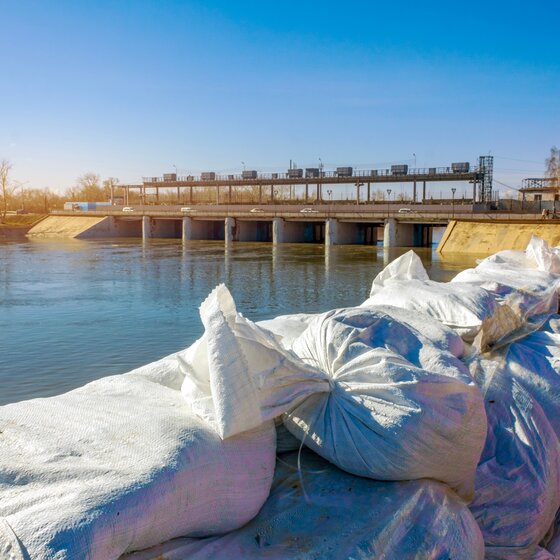
Defence operations may extend across military bases, field camps, airfields, logistics areas and operational routes, each with different exposure to weather and environmental hazards. Conditions affecting one location may not represent those experienced across the entire operating area.
Intense precipitation can cause local flooding, rapidly rising water levels and disruption to access routes. Thunderstorms, strong winds and reduced visibility can affect exposed personnel, temporary installations, communications equipment, vehicle movements and airfield operations.
Regional forecasts provide essential context, but operational decisions also require continuous observations from critical locations. Distributed weather stations and sensors can monitor precipitation, water level, wind, atmospheric conditions, visibility and thunderstorm activity where personnel and infrastructure are actually exposed.
Senseca combines robust sensors, autonomous low-power stations, data loggers, telemetry and remote-access platforms to collect and transmit observations from permanent and temporary monitoring points. Configurable thresholds and alerts help command, safety and operational teams recognise developing hazards and apply established response procedures.
By bringing environmental observations together, defence organisations can maintain a clearer picture of changing conditions, support base protection and route availability, and improve operational continuity during severe weather.


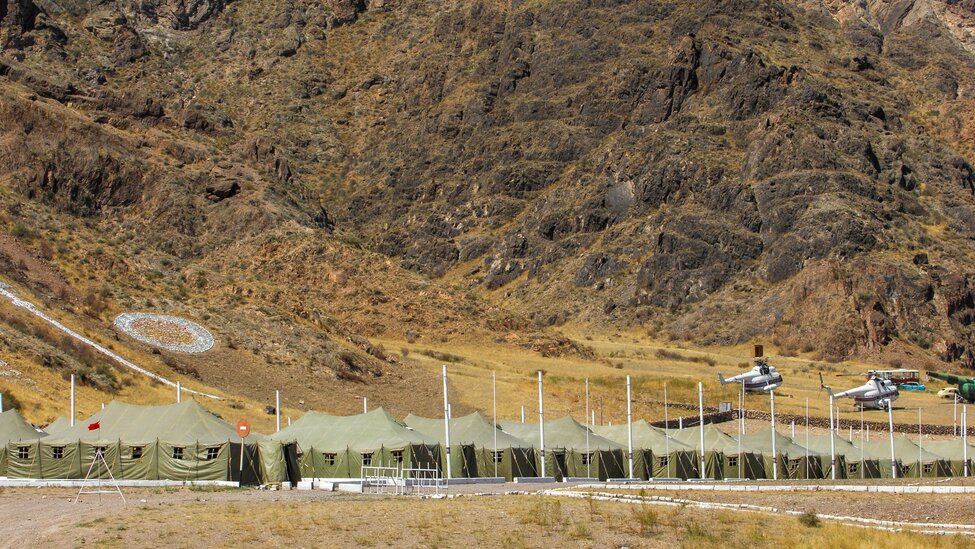
Weather conditions can vary considerably between military bases, field camps, airfields, logistics areas and operational routes. Intense rainfall may affect one location while another remains dry, and wind conditions can change around exposed terrain, buildings and temporary installations.
Automatic weather stations, rain instruments and wind sensors provide direct observations from the locations where personnel, vehicles and infrastructure are exposed. Rain gauges measure precipitation amount and intensity, while cup or ultrasonic anemometers monitor wind speed and direction. Combined weather instruments can add temperature, humidity and atmospheric-pressure measurements.
Fixed stations support continuous monitoring at permanent facilities, while compact and autonomous configurations can be deployed at temporary camps, remote sites and critical points along operational routes.
By combining forecasts with continuous local observations, defence teams can follow developing conditions, compare different locations and make better-informed decisions concerning outdoor activities, equipment protection, site access and operational readiness.
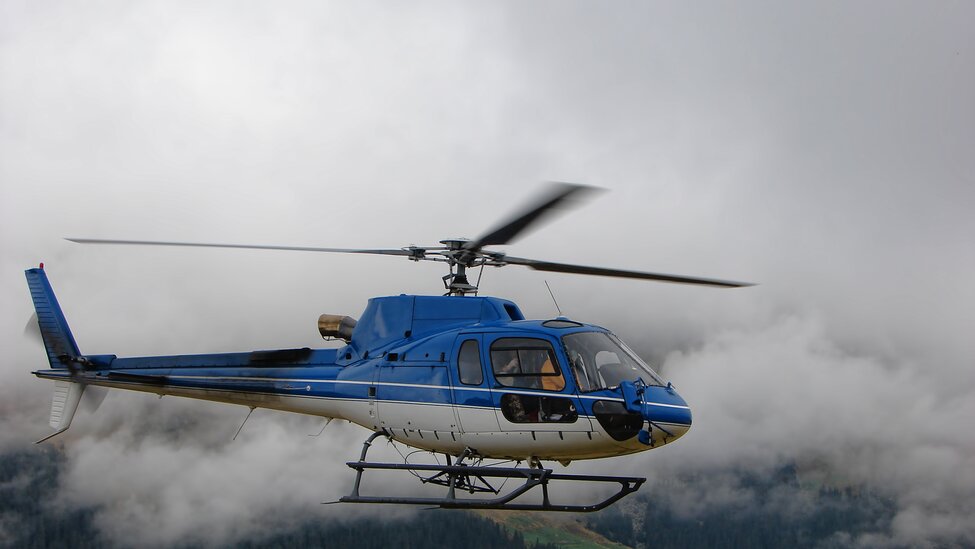
Fog, intense precipitation, dust and other atmospheric conditions can rapidly reduce visibility around military airfields, access routes, perimeter areas and operating sites. These changes may affect aircraft operations, vehicle movements, surveillance activities and the safe coordination of personnel.
Visibility conditions are often highly localised. An observation made at a distant airport or weather station may not represent the conditions experienced at a runway, road crossing or remote deployment area.
Visibility sensors provide continuous measurements of meteorological optical range at selected locations. Depending on the instrument configuration, they can also provide information about precipitation and present weather, helping teams understand the conditions associated with a reduction in visibility.
Connected to weather stations or data-acquisition systems, these measurements can be recorded, transmitted and compared with other meteorological observations, providing operational teams with a more complete view of changing conditions.
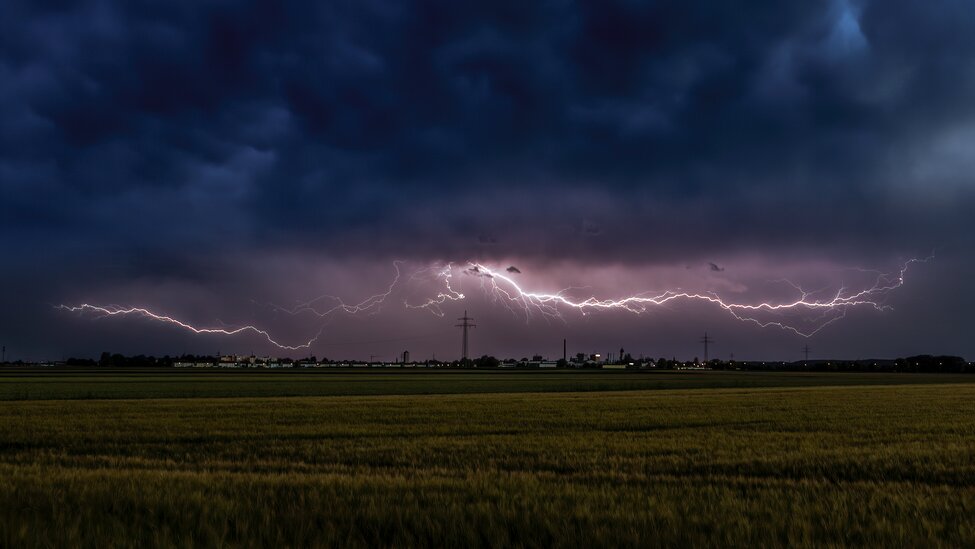
Thunderstorms and electrical activity can threaten exposed personnel, aircraft, vehicles, communications equipment and temporary installations. The risk is particularly significant at airfields, field camps and large operating areas where teams may be distributed far from immediate shelter.
Thunderstorm warning systems provide early awareness of developing or approaching electrical activity, helping teams recognise a potential threat before it reaches the monitored site. Lightning detection systems add information about detected lightning activity across the surrounding area and how the event is evolving.
Configurable warning levels can support established procedures for suspending exposed activities, directing personnel towards shelter, securing equipment or delaying operations until conditions improve.
Warnings can be communicated locally through visual or acoustic devices and transmitted to operations rooms or other authorised recipients. This helps ensure that the same current information is available to both personnel in the field and coordinating teams.

Environmental monitoring points may be distributed across permanent bases, temporary camps and remote operating areas. Reliable data acquisition is therefore essential, particularly when power supplies, communications or physical access to the site are limited.
Data loggers collect measurements from weather, rain, wind, visibility and thunderstorm instruments. Local storage helps preserve observations during temporary communication interruptions, while telemetry makes current and historical information available to remote systems and authorised personnel.
Connected automatic weather stations can support both permanent monitoring networks and autonomous field installations. Low-power configurations, remote communications and configurable alarms reduce the need for frequent site visits and help teams identify developing hazards, instrument faults or missing data.
By bringing observations from multiple locations into a common monitoring infrastructure, defence organisations can maintain situational awareness and provide command, safety and operational teams with reliable information for established response procedures.


Yet no warning – however early – is effective unless it reaches the right people at the right time.