
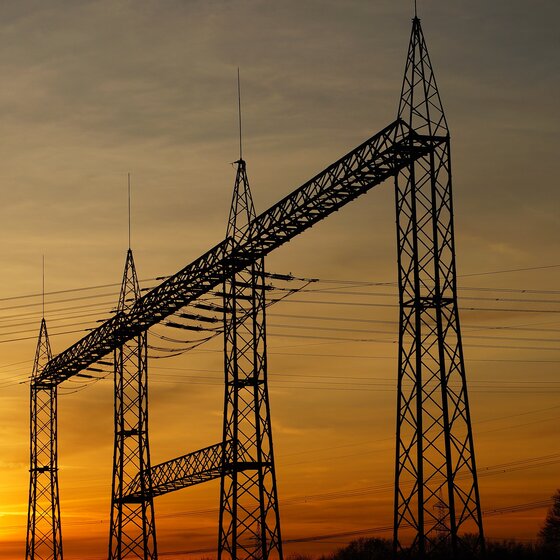
Transport networks, water-management facilities, energy installations, communication sites and industrial assets can be affected by environmental conditions that develop at a highly local scale. Flooding at an underpass, rising water near a bridge, crosswinds along an exposed route, fog around a transport hub or lightning approaching an energy facility may not be represented adequately by regional observations alone.
Monitoring directly at critical assets provides operators with real-time evidence of the conditions affecting each location. Combining meteorological measurements with water-level, visibility and thunderstorm detection creates a clearer picture of operational exposure.
Senseca integrates environmental sensors, automatic monitoring stations, local data processing, configurable alarms and remote communications. Measurements and system status can be transmitted to central platforms or connected with existing operational and safety systems.
This information supports infrastructure operators in applying established maintenance, access-control, traffic-management and emergency procedures. Operational decisions and assessments of structural integrity remain the responsibility of the relevant authorities and asset owners.


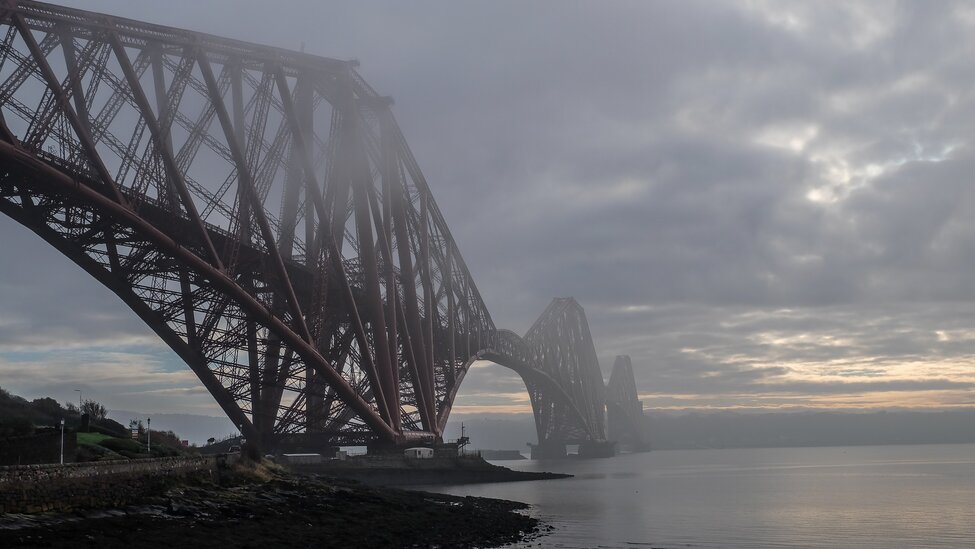
Environmental conditions can vary significantly across an infrastructure network. Regional observations may not represent the conditions affecting an individual power line, substation, bridge, tunnel, road section, water facility or communication site.
Site-specific monitoring can measure wind, precipitation, water level, air temperature, relative humidity and atmospheric pressure. Visibility and present-weather sensors identify fog, precipitation and airborne particles that may affect transport and other safety-critical operations.
Dedicated thunderstorm and lightning monitoring provides early awareness of developing overhead risk, the distance of detected lightning activity and electrically charged conditions around exposed assets.
Positioning the appropriate measurements at critical locations gives operators a representative view of the environmental conditions affecting each asset as they develop.
Environmental measurements become operationally valuable when they can be interpreted in relation to the limits, vulnerabilities and procedures associated with each asset.
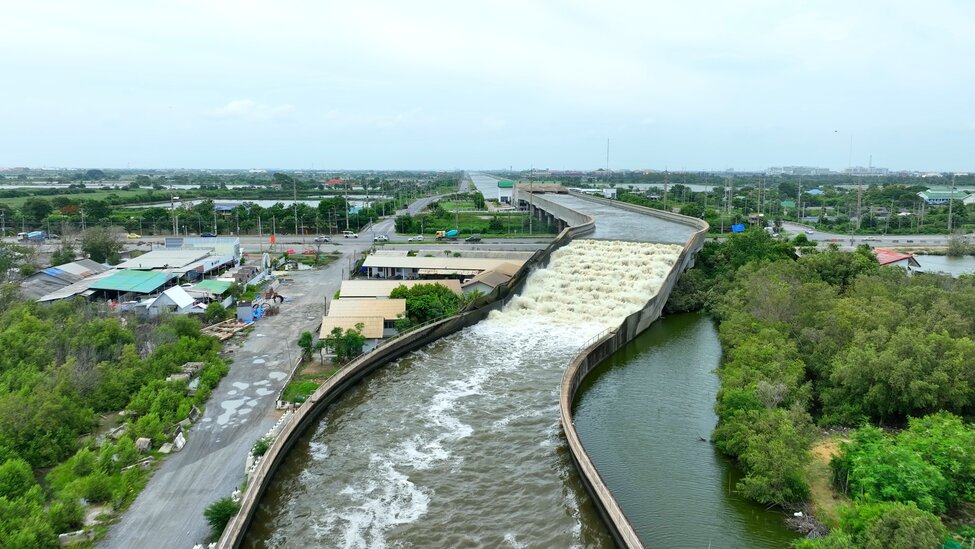
Data-acquisition systems can evaluate current values, accumulated measurements, trends and threshold exceedances. Water-level measurements can indicate developing flood exposure around channels, culverts and infrastructure facilities, while visibility, wind and lightning conditions can be compared with established operating criteria.
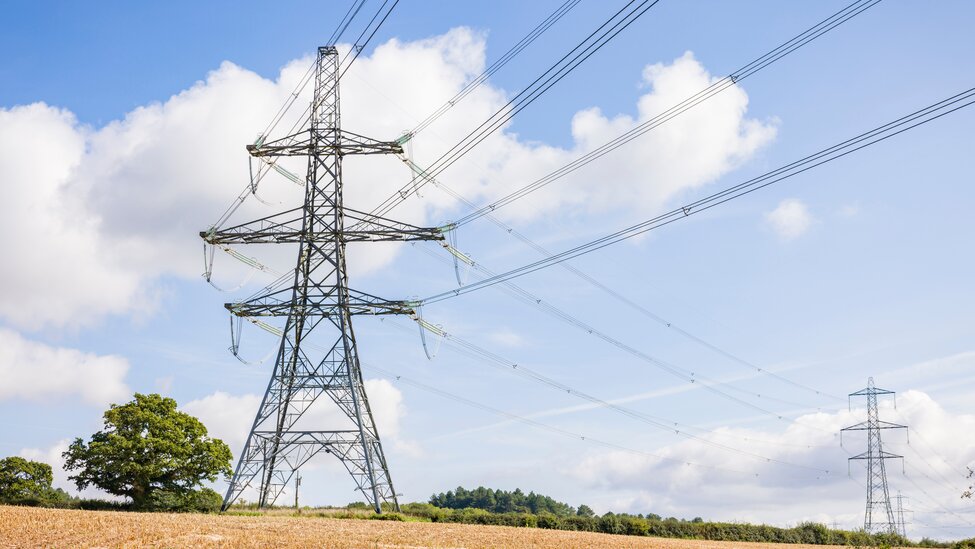
Environmental data can also support applications in which operating limits change continuously. In Dynamic Line Rating, local measurements of wind speed, wind direction, air temperature and solar irradiance can be supplied to an external DLR system, which uses them to determine the available current-carrying capacity of an overhead power line.
At the same monitoring locations, thunderstorm and lightning detection can provide complementary warning information for exposed field crews, inspection activities and transmission assets. Warning states can be transmitted to operational or safety systems, while line-rating calculations and grid-control decisions remain functions of the external DLR platform and network operator.
Senseca provides the reliable site measurements and data transmission required by this process; calculation of the line rating and the resulting grid-control decisions remain functions of the external DLR platform and network operator.
Protective action is most effective when operators receive reliable information before environmental conditions cause disruption or create unacceptable exposure.
Thunderstorm warning systems provide early awareness of developing electrical activity and nearby lightning. Configurable warning levels can distinguish an initial risk from conditions requiring restrictions or immediate action, while data loggers, relay outputs and remote platforms deliver this information to the appropriate teams.Local processing and configurable warning levels can identify an emerging condition, distinguish it from a critical state and transmit the corresponding alarm without waiting for manual data review. Notifications, relay outputs and remote monitoring platforms help deliver this information to the responsible teams.
Depending on the infrastructure, timely information can support inspections of vulnerable locations, restrictions on exposed activities, changes to maintenance schedules, traffic-management measures or activation of severe-weather procedures.
Linking each warning level to a predefined operational response helps operators act consistently, avoid unnecessary disruption and protect essential services.

Critical infrastructure operators need environmental information to become part of the systems they already use to supervise assets, maintenance and operational risk.
Data loggers and communication units can transmit measurements, alarm states and monitoring-station diagnostics to central platforms. Digital interfaces and relay outputs allow this information to be incorporated into control, traffic-management, maintenance and emergency systems.
For applications such as Dynamic Line Rating, field measurements can be delivered directly to the external platform responsible for calculating and applying the operating limit. In other applications, verified alarm states can initiate notifications or provide inputs to established operational procedures.
Local storage and processing preserve measurements and threshold evaluation during temporary communication interruptions, while central visualisation gives operators a common view of environmental conditions and monitoring-system availability across the infrastructure network.


Ensuring infrastructure resilience saves lives, safeguards development gains and reduces humanitarian needs.