
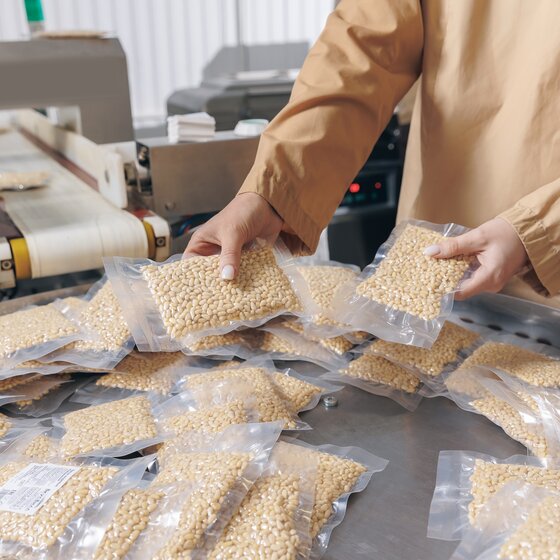
Food production environments are among the most measurement-intensive in any industry. From chilled display cabinets in retail to high-temperature cooking processes and modified atmosphere packaging lines, operators must continuously monitor and control a range of physical and chemical parameters to protect product quality, prevent spoilage, and meet mandatory food safety standards.
Temperature governs everything: microbial growth, shelf life, cooking safety, and cold chain integrity. Gas composition determines whether packaged products — cheese, milk, fresh beef — retain their freshness or deteriorate prematurely. Packaging processes, whether modified atmosphere or vacuum, must be verified to ensure the correct internal environment is achieved and maintained.
The typical users of measurement instrumentation in this sector include food processing technicians, quality managers, HACCP compliance officers, and cold chain logistics supervisors, all of whom rely on accurate, traceable data to protect both consumers and their operations.


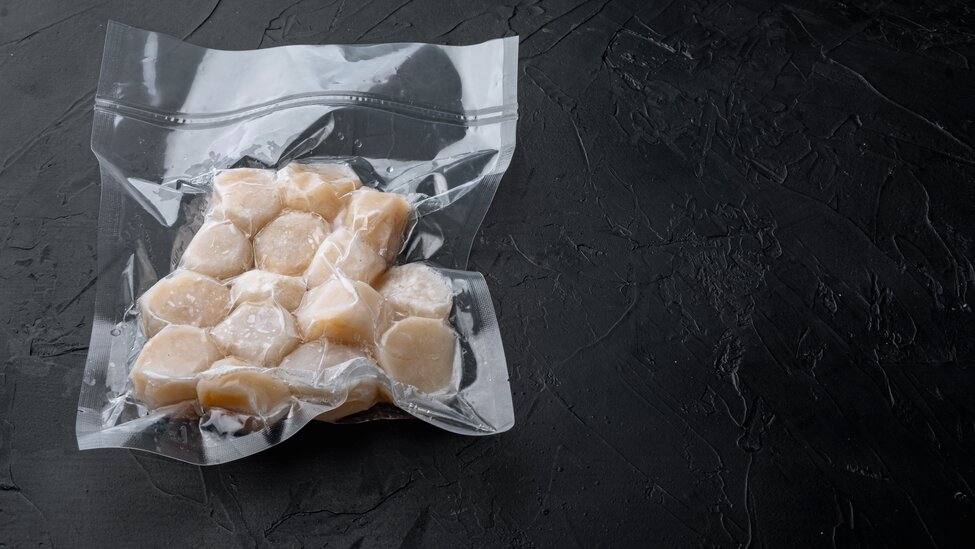
Different food products require precisely defined internal atmospheres to preserve freshness and meet retail quality standards. Fresh beef requires residual oxygen to maintain color and appearance, while dairy products such as cheese and milk are packed in oxygen-free environments to prevent oxidative spoilage. Senseca offers gas analyzers and sensors capable of measuring oxygen and CO2 concentrations inside MAP and vacuum-sealed packages, enabling packaging line operators to verify that each batch meets specification before it reaches the shelf. Accurate gas analysis reduces product waste, supports quality management documentation, and helps manufacturers demonstrate compliance with retailer and regulatory requirements.
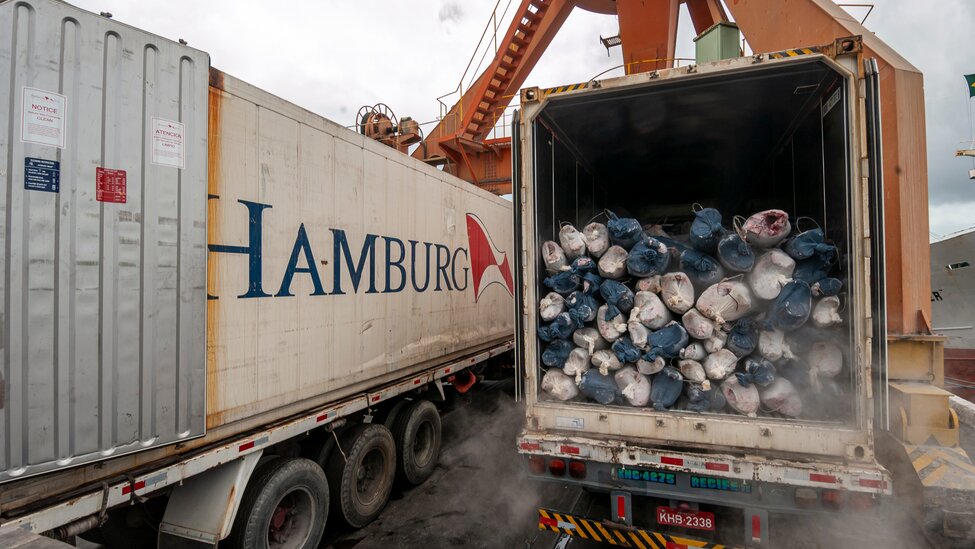
Maintaining safe temperatures throughout storage, transport, and point-of-sale display is a legal requirement under HACCP legislation and a critical factor in preventing microbial growth. Senseca provides a range of thermometers and temperature sensors suited to frozen goods, refrigerated cabinets, and transport vehicles. Where temperature excursions occur, during loading, transit, or storage, instruments can trigger alarms to prompt corrective action before product safety is compromised. Data logging capability supports the traceability records that HACCP compliance demands, giving quality managers a clear, auditable record of temperature conditions at every stage of the cold chain.
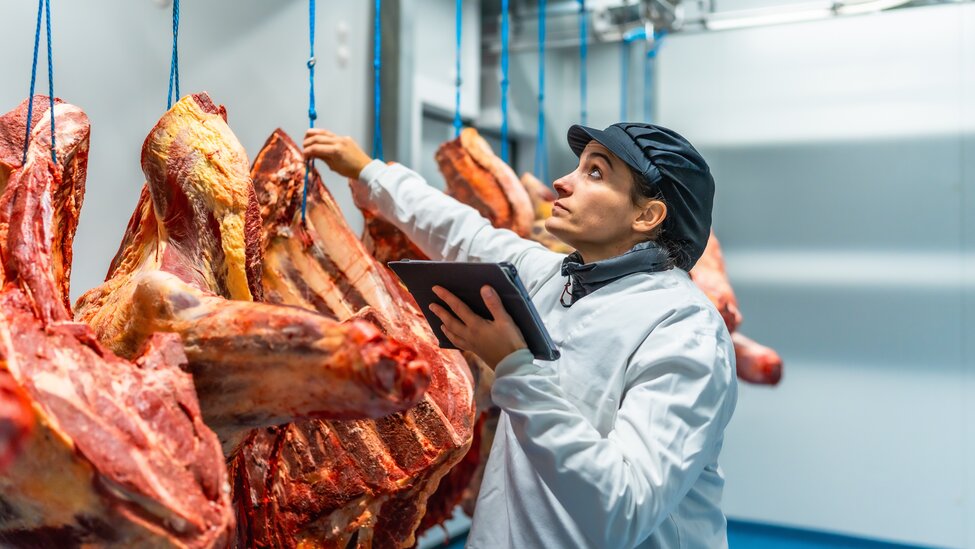
Achieving and verifying the correct internal temperature is essential in cooking applications, whether for meat, baked goods, or precision sous vide preparation. Undercooking presents a direct food safety risk; overcooking affects product quality and yield. Senseca's penetration thermometers and core temperature probes are designed for use directly in food, delivering fast, accurate readings in demanding environments including high-temperature ovens, frying equipment, and water baths. Purpose-built instruments for baking and meat applications allow operators to confirm that safe cooking temperatures have been reached and maintained, supporting both HACCP records and consistent product quality.
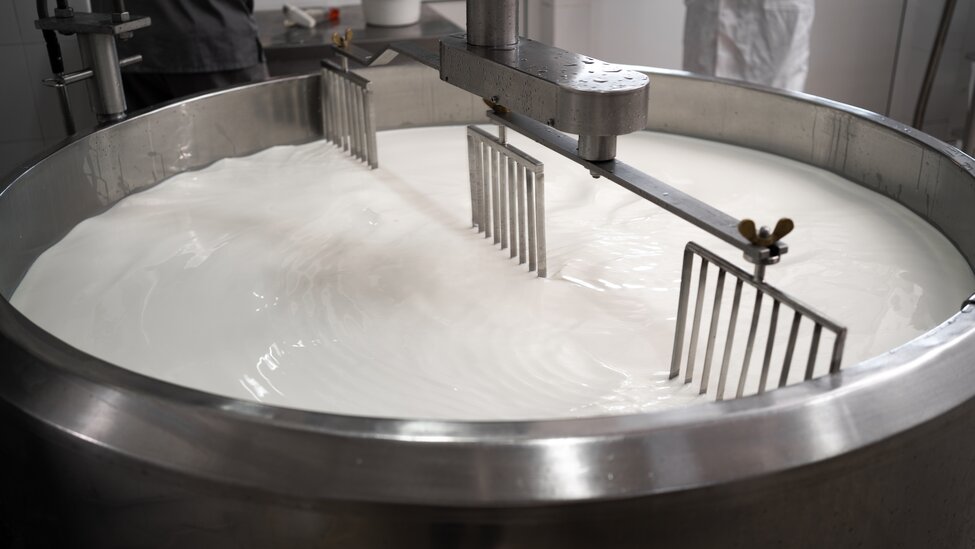
pH is a key quality indicator in meat and dairy processing. In meat, pH affects texture, water-holding capacity, and shelf life; in cheese production, it governs fermentation progress and final product characteristics. Senseca offers pH measurement solutions suited to food-grade environments, enabling processors to monitor and control this parameter at critical points in the production process. Consistent pH measurement reduces batch variability, helps identify process deviations early, and supports the quality documentation required by food safety management systems.


Cold chain failures account for an estimated 30% of food spoilage globally, with temperature excursions during transport and storage identified as the leading cause of premature product deterioration.