
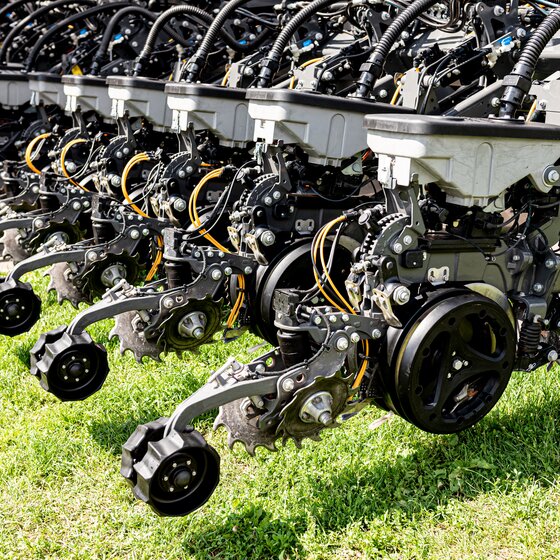
Agricultural machinery uses several fluid systems that require continuous monitoring during demanding field and livestock operations. Sensors can monitor diesel fuel levels, cooling systems, and the circulation of oils and other operating fluids.
Pressure, flow, and temperature measurement support equipment such as manure spreaders, pumps, and dairy industry systems. In liquid manure management, temperature measurement helps track process conditions, while flow measurement shows whether the material is moving as expected. Pressure monitoring supports pump operation and can help identify changes in the manure circuit. Machine manufacturers, agricultural operators, dairy equipment suppliers, and service technicians all benefit from measurements that fit the available installation space and connect directly with the machine’s control system.


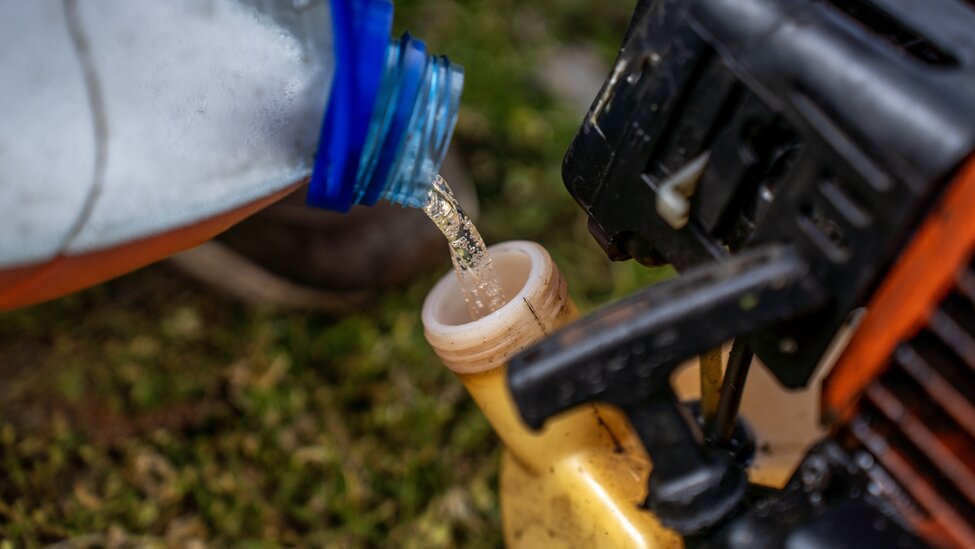
Fuel level measurement gives operators and machine control systems information about the available diesel supply during field work and other agricultural operations. A sensor can be adapted to the available tank geometry and installation conditions, helping manufacturers integrate the measurement into new or existing machinery. The output signal can be selected to suit the machine’s electrical architecture, while the mechanical design can accommodate specific dimensions and connections. This supports clearer fuel management and gives operators a practical indication of when refueling is needed. For agricultural machinery used away from fixed facilities, a suitable fuel level signal can help avoid unnecessary interruptions and make routine operation easier to plan.
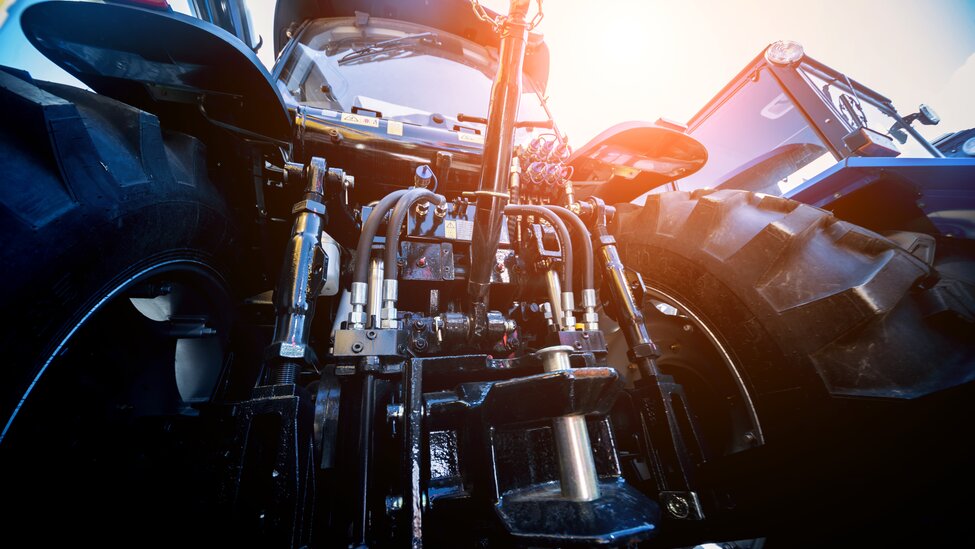
Hydraulic functions depend on the circulation of fluid through the system. Flow measurement helps indicate whether a hydraulic unit is receiving the required flow for its intended operation. The measurement can be integrated into the machine control system using a suitable output signal and adapted to the available connections and installation space. This gives equipment manufacturers a way to monitor hydraulic performance without relying on a standard sensor configuration that may not fit the machine. Clear flow information can support troubleshooting when a hydraulic function becomes slow, weak, or unavailable. It also provides a useful input for machine controls that need to identify insufficient circulation during operation.
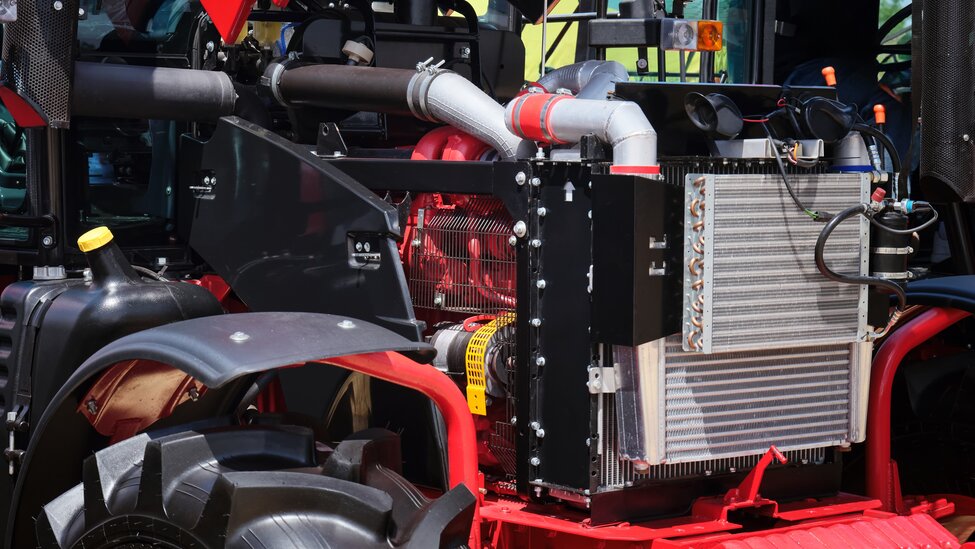
Temperature, flow and level measurement help track the condition of a machine’s cooling circuit. Monitoring coolant temperature shows how the system is performing, while flow measurement indicates whether the refrigerating liquid is circulating as required. Level measurement helps detect low coolant levels, possible leaks, or the need for maintenance. Together, these values can support temperature control and help identify conditions that may lead to overheating. Senseca solutions can be adapted to the mechanical and electrical requirements of agricultural machinery, including specific lengths, connections, wiring, and signal outputs. This gives manufacturers greater freedom when placing sensors in compact or demanding installations. The result is measurement that fits the machine instead of forcing the machine design to follow a standard sensor arrangement.
Pressure measurement provides information about pump and pipe conditions in liquid manure handling systems. It can help operators and equipment manufacturers assess whether the pump is working within the intended operating range and whether changes in the circuit require attention. Temperature and flow measurements can be used alongside pressure values to provide a broader view of manure movement and process conditions. This is relevant for manure spreading equipment, storage systems, and other liquid manure applications. Customized sensor dimensions, connections, wiring, and output signals support integration into different machine designs. A suitable mechanical design also helps simplify installation where space, access, and maintenance requirements are limited.


Hardware & sensors account for 66%+ of the precision farming market.