
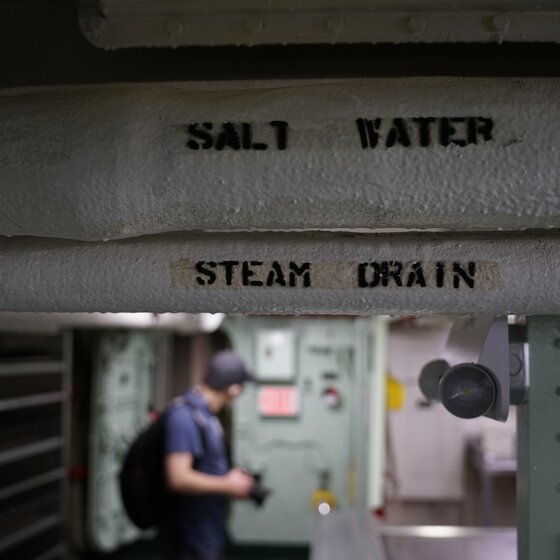
Water treatment on board ships covers several critical processes. Sewage water can be treated using membrane bioreactor (MBR) technology, while reverse osmosis (RO) systems support process water and drinking water production. Ballast water systems require monitoring of level and quality, together with disinfection, to control the discharge of potentially harmful organisms.
Bilge water is treated using centrifuges and monitored for quality before the treated water is managed or discharged. Exhaust air treatment systems use wet scrubbers, where water-based processes support the reduction of pollutants in exhaust gases. Across these applications, ship operators and technical crews need clear process information to manage tanks, pumps, dosing, treatment performance, and required records.


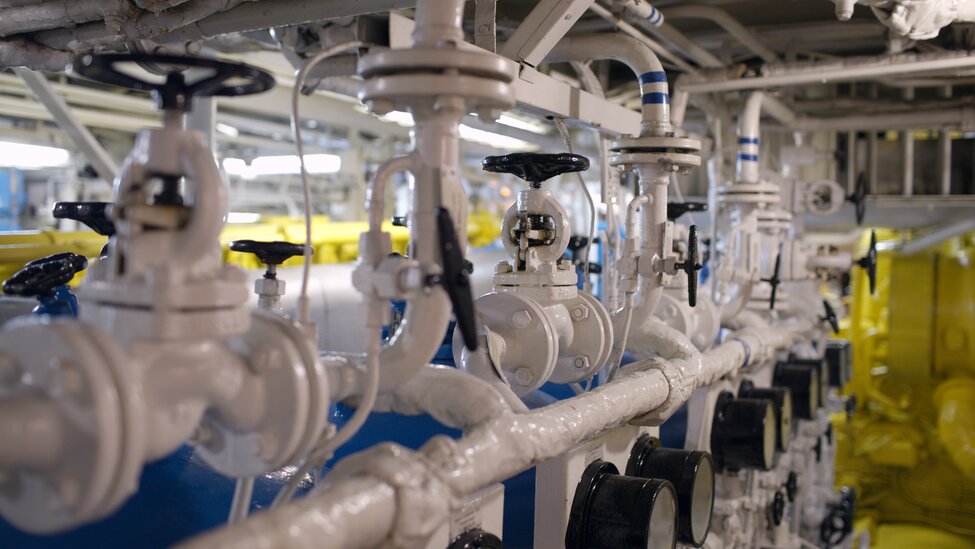
Level and flow measurements provide operators with continuous information about water movement and tank conditions across onboard treatment systems. Indication makes current values visible, while control functions can support protective responses when levels become too high or too low. This helps reduce the risk of overflow, underflow, dry-running pumps, and unstable transfer conditions in sewage, reverse omosis (RO), ballast water, bilge water, and scrubber systems. Raw process values or transduced process values can be supplied through analog or digital outputs, allowing the measurements to be connected to existing shipboard monitoring and control systems. Operators can therefore respond to changing conditions before they affect equipment or interrupt treatment operation.
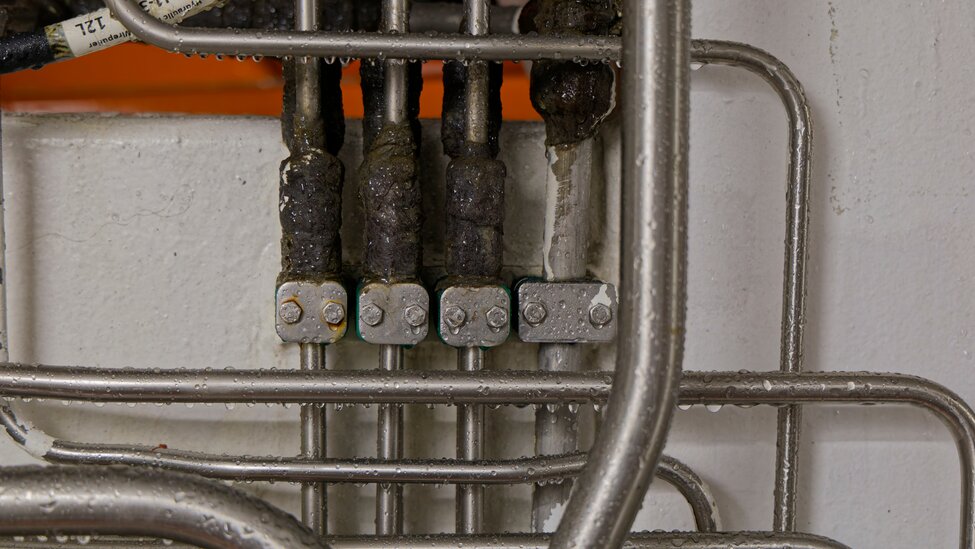
Water conditions can influence corrosion, calcification, and blockages in tanks, pipework, pumps, membranes, centrifuges, and scrubber circuits. Measuring temperature and water analysis values gives technical crews additional information about the condition of the monitored process. These values can be viewed through indication systems or transferred as analog or digital signals for further evaluation. Combined with level and flow data, they help operators recognize changes that may affect equipment performance or restrict water movement. This supports condition-based checks across reverse omosis (RO) systems, bilge water treatment, ballast water equipment, sewage treatment plants, and wet scrubbers, helping crews plan maintenance before a developing issue causes unnecessary downtime.

On ships, reliable water treatment is essential for safe drinking water, effective wastewater treatment and the protection of tanks, pipes and equipment. Precise dosing supports disinfection, pH neutralisation, flocculation and precipitation, as well as stable biological treatment processes, even under changing operating conditions and limited space on board.
Continuous monitoring of key process parameters allows the addition of disinfectants, acids, alkalis, flocculants and other treatment chemicals to be adjusted precisely to the actual demand. This helps reduce chemical consumption, prevents over- and underdosing and supports safe, efficient operation. Compact measurement and control solutions also simplify integration into ship automation systems and enable dependable monitoring of alarms and critical process conditions.
Senseca offers suitable measurement and monitoring solutions for pH value, conductivity, redox potential, dissolved oxygen, temperature, pressure, differential pressure, flow and level.
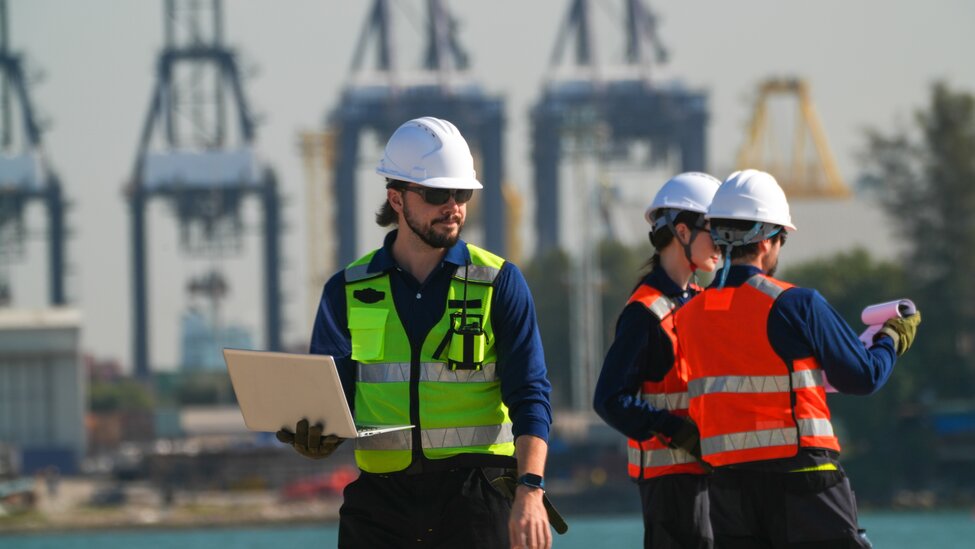
Maritime operators need clear records showing how onboard water and exhaust treatment systems were monitored and controlled. Raw process values and transduced process values can be made available through analog or digital outputs, supporting integration with existing monitoring and control systems. This allows relevant data from sewage, reverse omosis RO, ballast water, bilge water, and scrubber systems to be recorded in a consistent format. Measurements such as level, flow, temperature, and water analysis values can support operational reviews, maintenance decisions, inspections, and legal documentation. Reliable access to process data helps crews demonstrate how treatment systems were operated and how monitored values were managed over time.



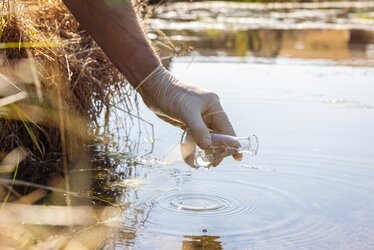
The D-2 standard limits the amount of viable organisms and specified indicator microbes that may be discharged in ballast water.