
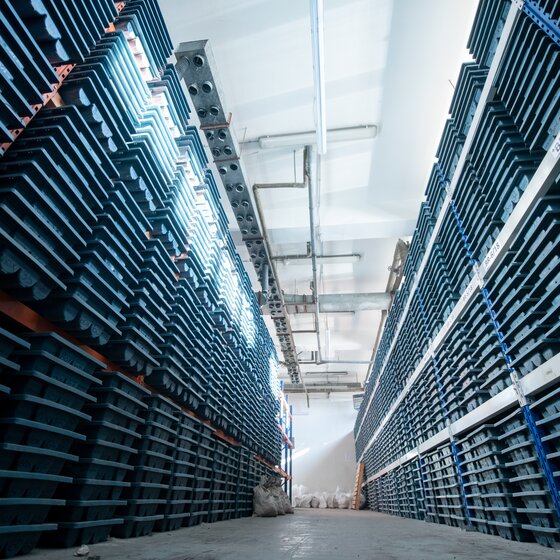
Storage conditions are rarely uniform. Height, racking, external walls, air distribution, equipment and frequent door openings can create significant differences in temperature and humidity between areas and over time.
These variations may affect raw materials, components, finished goods, packaging and shelf life. Refrigerated and humidity-sensitive products can be particularly vulnerable to temperature excursions, moisture and condensation, while loading zones and frequently accessed areas are exposed to rapidly changing conditions.
Effective warehouse monitoring therefore requires a combination of local investigation and continuous observation. Portable instruments help teams examine specific areas and operating conditions, while data loggers and fixed systems provide ongoing visibility at critical locations.
Monitoring also supports the assessment of occupied workplaces. Ventilation, vehicle activity, open doors and seasonal conditions can influence indoor air quality, thermal comfort and heat or cold stress.
By combining environmental measurements with connected data management, Senseca helps warehouse teams understand local conditions, protect stored goods, support worker assessments and retain reliable information for operational and quality processes.


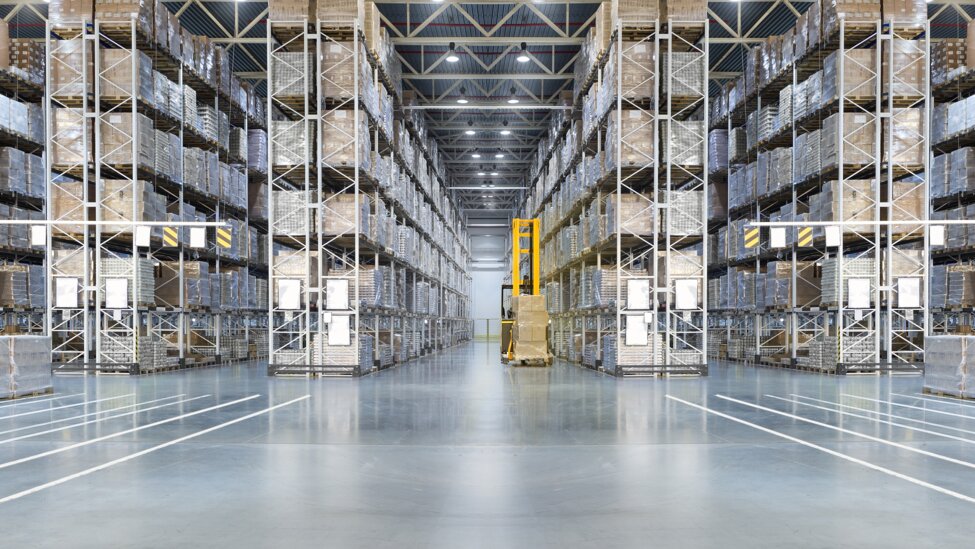
Temperature and humidity can vary with height, racking, external walls, air distribution, equipment and door activity. Measurements taken at a single location may therefore not represent the conditions experienced by all stored goods.
Senseca portable ambient thermometers and thermo-hygrometers support rapid spot checks and reference measurements. Portable reference instruments can also be used to calibrate or verify fixed monitoring equipment directly at the installation point. Compact temperature and humidity data loggers enable mapping studies across different heights, zones and operating conditions. Dew-point measurements help identify areas where moisture and condensation could become a concern.
Comparing measurements across the warehouse reveals hot, cold and moisture-prone locations. The resulting evidence supports a more representative monitoring plan and helps teams reassess conditions following changes to storage layouts, ventilation or operating practices.
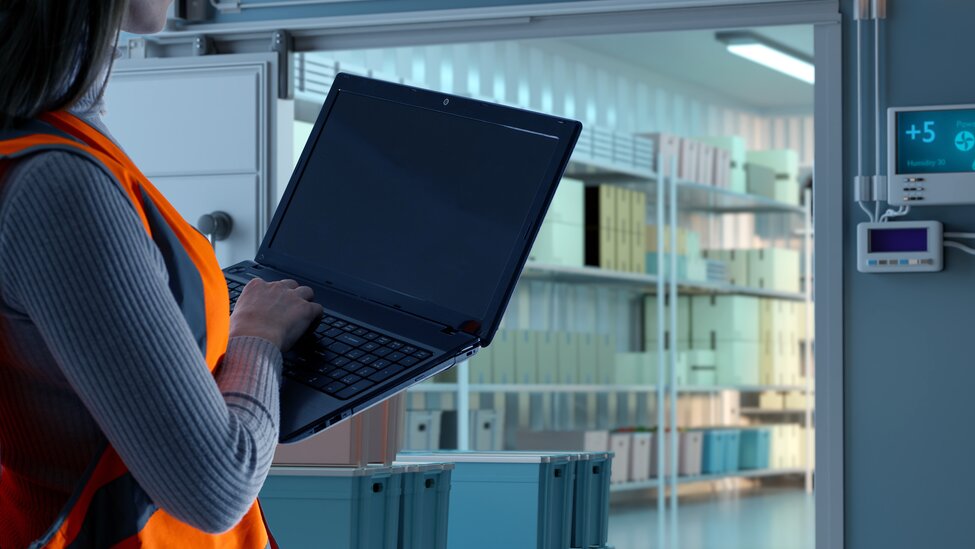
Environmental excursions can develop between routine inspections, particularly in cold rooms, loading zones and areas exposed to frequent door activity. Detecting these changes promptly is essential when products or packaging have defined storage requirements.
Senseca compact, wireless and web-connected data loggers continuously measure temperature, relative humidity and dew point at critical locations. Door-status inputs help distinguish environmental changes associated with access from those caused by wider storage or system conditions.
Configurable thresholds activate local or remote alarms when defined limits are exceeded. This allows warehouse teams to investigate affected areas, check exposed goods and take corrective measures before an excursion causes avoidable loss.
Continuous multi-zone measurements provide the operational visibility required to protect raw materials, components, finished goods and packaging across ambient, refrigerated and cold-chain storage.

Loading bays, picking areas and vehicle routes can present changing ventilation and thermal conditions. Occupancy, open doors, equipment and combustion-powered vehicles may influence the environment during different shifts and activities.
Senseca portable instruments support targeted measurements of ambient temperature, humidity, carbon dioxide, carbon monoxide, VOC index and particulate matter, depending on the selected configuration. These measurements help teams investigate ventilation and indoor-air-quality conditions in occupied areas.
Portable microclimate systems assess thermal comfort, heat stress, cold stress and draught-related conditions using recognised environmental parameters and indices. Fixed transmitters and data loggers can provide continuous measurements where longer-term observation is required.
Together, these solutions support evidence-based assessments of warehouse workplaces and help identify areas requiring further investigation or corrective measures.
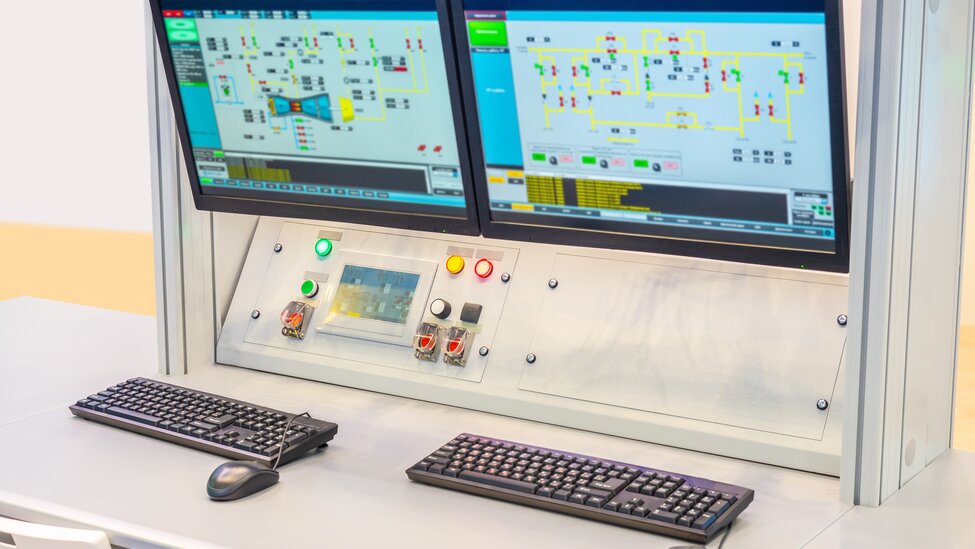
When an abnormal condition is detected, warehouse teams need to know where it occurred, who should respond and what evidence must be retained. This requires coordinated data management rather than isolated instrument readings.
Senseca connected data loggers aggregate and transmit measurements from multiple rooms, storage areas and buildings. Wireless, Ethernet and Wi-Fi architectures allow systems to expand from individual monitored spaces to distributed warehouse networks.
Central databases preserve measurements and door events, while dashboards, historical trends and reports help teams reconstruct the extent and possible cause of an excursion. This information supports the verification of corrective actions and provides documented evidence for internal reviews and audits.
By connecting field monitoring with central data access and reporting, Senseca helps organisations establish a consistent response process and maintain reliable records for quality management, audits and deviation analysis.


Without a standard there is no logical basis for making a decision or taking action.