
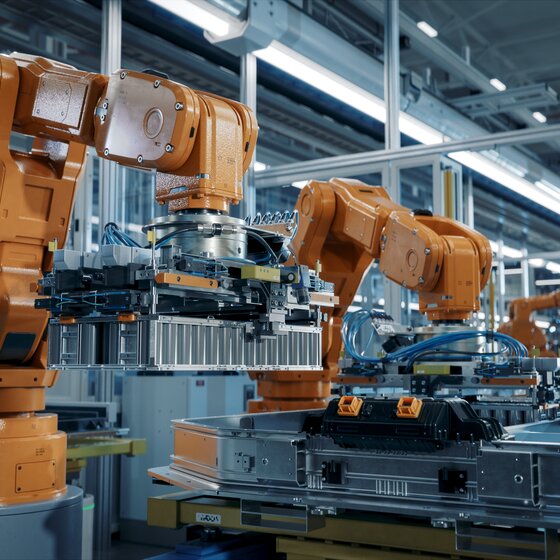
Plant automation encompasses the technologies and control systems that allow industrial facilities to operate machinery and production processes with minimal manual intervention. In a typical automated plant, sensors continuously monitor physical parameters across the production environment, feeding data to programmable logic controllers (PLCs) that interpret the inputs and issue commands to actuators, drives, and machines in real time.
Accurate measurement is the foundation of this entire chain. Without reliable sensor data, controllers cannot make correct decisions, and the benefits of automation, consistent output quality, reduced human error, and improved workplace safety, quickly erode. Plant engineers, process managers, and system integrators all depend on instrumentation that performs predictably under the demanding conditions of industrial environments, from vibration and temperature extremes to electromagnetic interference and continuous duty cycles.


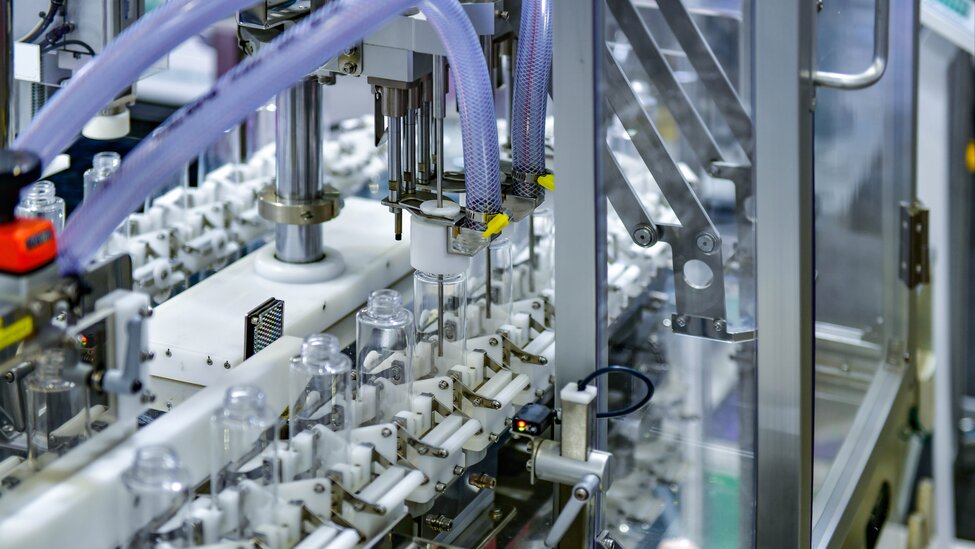
Automated plants place demanding requirements on every sensing device in the loop. Temperature probes, pressure transmitters, and position sensors must deliver consistent, accurate signals cycle after cycle, often in environments where vibration, heat, moisture, or electrical noise would compromise lesser instruments. Senseca supplies sensors and transmitters engineered for continuous industrial duty, with signal outputs compatible with the PLCs and distributed control systems at the heart of modern plant automation. The result is a measurement layer that supports reliable controller decisions, reduces unplanned stoppages caused by faulty or drifting sensor data, and contributes directly to the uptime targets that plant managers are measured against.

Large, catalogue-driven suppliers offer standard products for standard installations. Most automated plants are neither. Process lines have specific pipe dimensions, mounting constraints, communication protocols, and output requirements that generic instruments simply do not accommodate without compromise. Senseca operates as a flexible instrumentation partner, configuring sensors, transmitters, and measurement systems to match your exact installation conditions and integration requirements. Whether that means a specific process connection, a non-standard measuring range, or a particular signal output, Senseca works to the specification your plant demands rather than asking your plant to adapt to a fixed product range.

Automated plants operate under a growing body of safety standards and regulatory requirements, from machinery directives to sector-specific process safety norms. Instrumentation plays a direct role in compliance: sensors and transmitters that monitor critical parameters must meet defined accuracy classes, carry appropriate certifications, and produce auditable data. Senseca supplies measurement devices with the relevant approvals and documentation to support your compliance obligations, whether that involves hazardous area certification, ingress protection ratings, or calibration traceability. Integrating compliant instrumentation from the outset reduces the risk of costly retrofits and keeps your plant audit-ready without adding operational overhead.


The rapid pace and advancement of technologies, such as automation, put pressure on manufacturers; those that do not act will fall behind.