
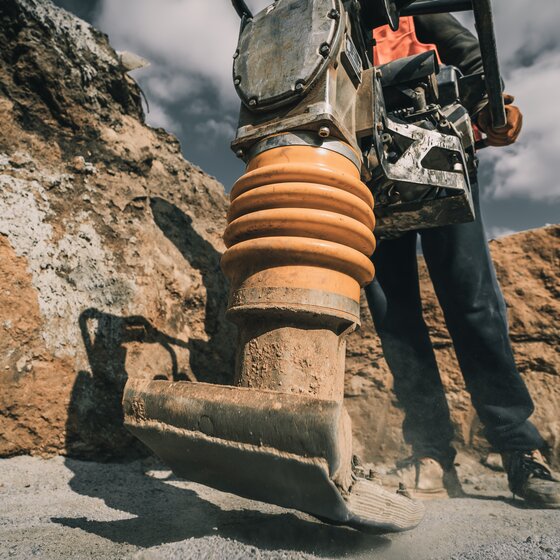
Industrial environments combine multiple noise and vibration sources, from production machinery and hand tools to transport systems and process equipment. Exposure can change according to the task performed, machine operating condition, production cycle, and time spent in different areas. A single spot measurement may therefore be insufficient to represent a worker’s actual daily exposure.
Safety Managers and HSE Managers need reliable data to evaluate occupational risks, demonstrate compliance with health and safety requirements, and identify where corrective measures will have the greatest effect. Measurements must reflect normal production activities without unnecessarily interrupting operations. Structured acquisition, appropriate assessment procedures, and clear reporting help reduce uncertainty and provide a documented basis for decisions relating to workplace noise and vibration control.



Class 1 and Class 2 sound level meters support accurate workplace noise characterization and source identification in industrial environments. With 1/1 and 1/3 octave band analysis, users can examine the frequency content of measured noise and identify the machines, processes, or activities contributing to worker exposure. The instruments are accredited according to ISO/IEC 17025, supporting dependable measurement practice where traceability and documented competence are required. By combining accurate sound level measurements with frequency analysis, Safety Managers and HSE Managers can build a clearer picture of workplace conditions and use the results to prioritize noise reduction measures, review control strategies, and support occupational risk assessments.

Industrial exposure varies throughout the working day. Production cycles, operator movement, machine status, and task duration can all influence the final assessment. Advanced data logging supports continuous acquisition and detailed analysis of noise and vibration measurements under changing operating conditions. This allows users to collect data during normal production activities rather than relying only on short, isolated checks. The resulting measurement record can help identify when exposure levels increase, compare conditions across tasks or work areas, and investigate which sources have the greatest effect on daily exposure. This supports more representative assessments while reducing the need to interfere with production activities.

Large measurement campaigns produce multiple files, time histories, exposure scenarios, and source evaluations that must be reviewed and documented consistently. Professional analysis software supports occupational noise exposure assessment in accordance with ISO 9612. It helps users manage variable exposure scenarios, consider the contribution of different tasks and conditions, and reduce uncertainty in the final evaluation. Results can then be organized into assessment reports for internal risk management, safety reviews, and regulatory documentation. By bringing data analysis and reporting into a structured workflow, the software helps HSE teams move from field measurements to clear conclusions and practical decisions.




The EU exposure action values for workplace noise are 80 dB as the lower value and 85 dB as the upper value. The exposure limit value is 87 dB, taking account of hearing protection.