
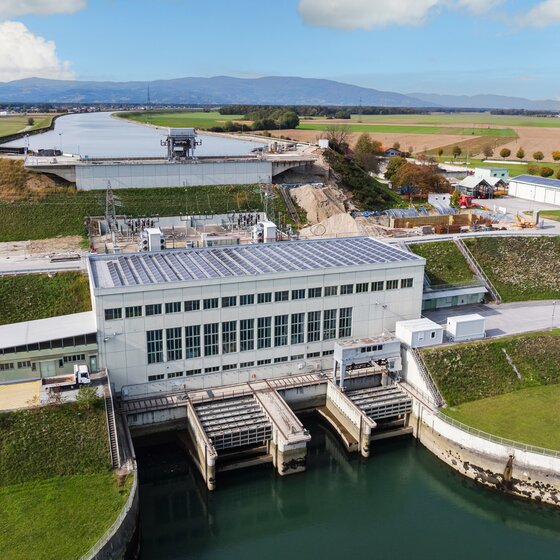
Hydropower generation is inseparable from water. Whether managing reservoir levels, assessing structural integrity, or responding to flood risk, operators rely on accurate, continuous measurement data to make informed decisions. Facilities range from large dam installations to run-of-river plants, all subject to variable hydrological conditions and strict safety requirements.
Monitoring serves three distinct purposes: collecting hydrological data to support water resource management, ensuring the structural safety of dams and associated infrastructure, and providing early warning for flood events. Civil engineers, plant operators, and environmental authorities all depend on this data, both for day-to-day operations and for long-term compliance with safety and environmental regulations. Without reliable instrumentation in place, the consequences of undetected structural stress or rising water levels can be severe.



Senseca's measurement instruments operate independently from mains power thanks to integrated batteries, making them fully viable at remote riverbanks, dam faces, and groundwater monitoring points far from any grid infrastructure. Their robust construction is built for unattended outdoor deployment, withstanding physical exposure, inundation risk, and vandalism without requiring frequent on-site intervention. This autonomy keeps measurement continuity intact regardless of site accessibility.
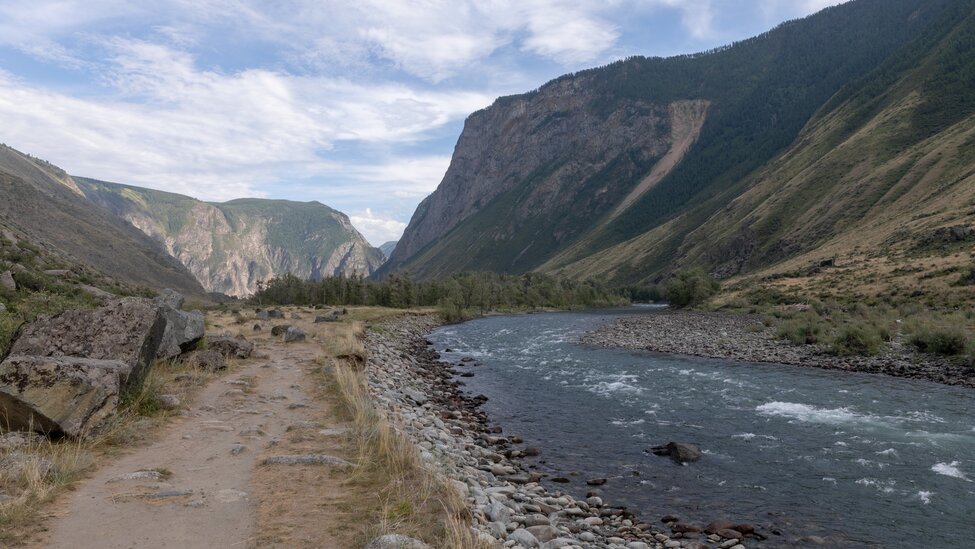
Senseca's systems incorporate a patented measurement verification process that automatically validates readings before transmission, ensuring only confirmed, accurate data reaches the web portal. Values are transmitted automatically, eliminating the need for manual data retrieval. Where cellular coverage is limited, the system is designed to maintain transmission reliability, so hydrologists and dam safety engineers always have access to current, trustworthy data.
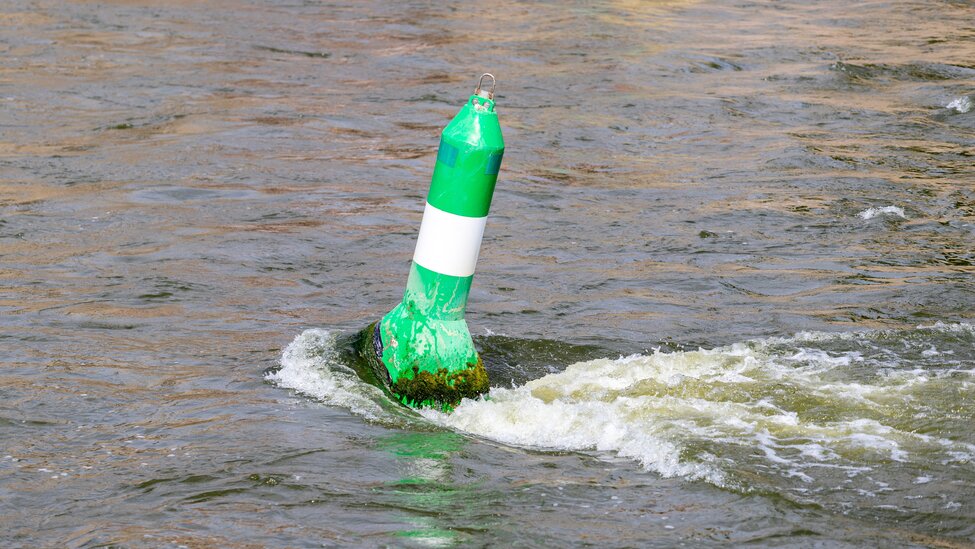
Should a measurement deviate beyond defined thresholds, or should a malfunction occur anywhere in the monitoring network, the system generates and dispatches alerts automatically, without operator intervention. This immediate notification capability gives flood protection authorities and plant operators the response time needed to act before conditions escalate, supporting both operational safety and regulatory reporting obligations.


Flood-related economic losses in Europe average EUR 7.8 billion per year; early warning systems underpinned by real-time hydrological monitoring are identified as the primary mitigation measure.