
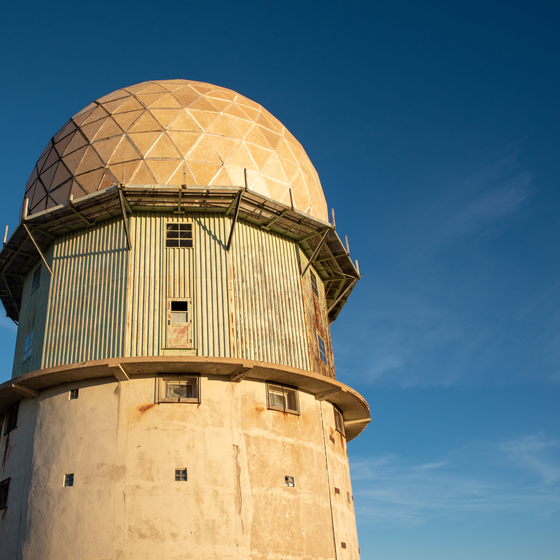
Weather describes the changing state of the atmosphere, while climate emerges from observations collected consistently over extended periods. Both begin with accurate measurements at representative locations.
Temperature, humidity, pressure, wind, precipitation and radiation describe the basic atmospheric state. Visibility, present weather and thunderstorm detection add information on phenomena that cannot be fully represented by standard meteorological parameters alone.
For climatology, individual measurements must become continuous and comparable time series. Stable instruments, traceable calibration, documented maintenance and careful management of sensor changes help preserve the integrity of long-term records. Reliable acquisition and communication systems also reduce data gaps and make observations available for analysis, forecasting, research and climate services.


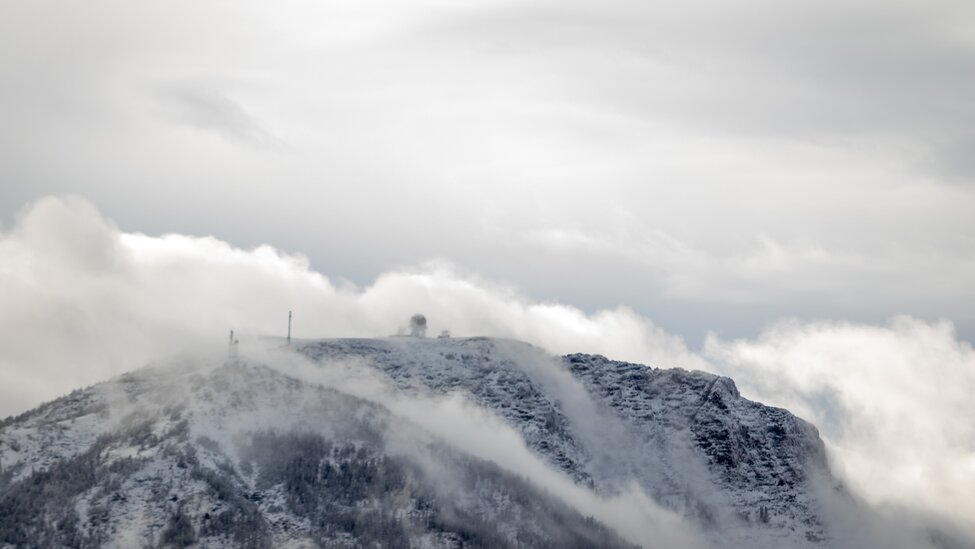
A reliable meteorological observation begins with the parameters that describe the current state of the atmosphere. Air temperature, relative humidity, dew point and atmospheric pressure provide essential thermodynamic information, while wind speed, direction and gusts describe atmospheric motion at the observation site.
Precipitation measurements quantify the onset, intensity and accumulated amount of rain or other hydrometeors. Solar-radiation observations can include global, direct and diffuse irradiance, while reflected, net and longwave radiation describe energy exchanges between the atmosphere and the Earth’s surface. UV radiation, UV Index and sunshine duration provide additional information for weather, atmospheric and climate studies.
Senseca supports both compact multiparameter stations and modular configurations, allowing the measurement system to be adapted to the required parameters, site conditions and observation purpose.
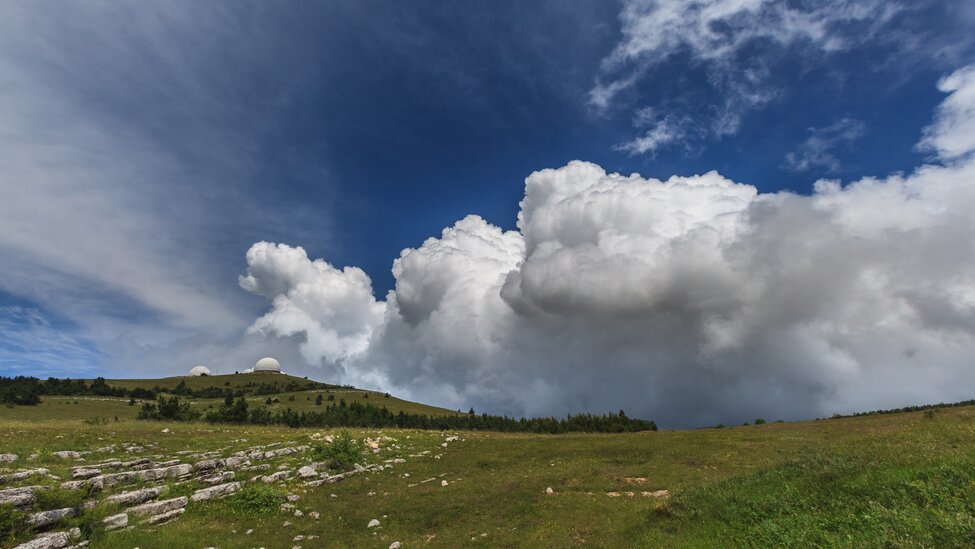
Standard atmospheric measurements do not always describe the phenomenon being experienced at the observation site. Visibility sensors measure Meteorological Optical Range, while present-weather sensors identify fog, haze and precipitation and classify weather type and intensity.
Advanced observations can distinguish liquid, solid and freezing precipitation, supporting a clearer understanding of current weather conditions. Thunderstorm and lightning detectors extend monitoring beyond the immediate station by providing information on developing or approaching electrical activity and its distance from the observation site.
Combining visibility, present weather, precipitation and thunderstorm observations gives meteorologists and researchers a more complete picture of both current conditions and rapidly evolving phenomena.

Meteorological and climatological data must remain accurate, traceable and comparable between sensors, stations and observation periods. This becomes particularly important when instruments are recalibrated, replaced or transferred between locations.
Traceable calibration provides documented measurement performance and helps operators identify drift or inconsistencies. Appropriate siting, protection from environmental interference, regular maintenance and clear documentation of instrument changes further support data quality.
For long-term climate records, continuity is as important as individual measurement accuracy. Planned maintenance, overlapping observations during major sensor changes and preservation of station metadata help reduce artificial discontinuities in the dataset. GCOS climate-monitoring principles explicitly emphasise observation continuity, data quality, metadata and the management of system changes.
Senseca ISO/IEC 17025 laboratories support accredited calibration in key meteorological areas including temperature, relative humidity, pressure, air speed and photo-radiometry.
Reliable weather and climate monitoring depends on more than individual sensors. Measurements must be acquired continuously, stored securely and transmitted reliably, including from remote or unattended outdoor locations.
Senseca provides flexible data acquisition solutions for single observation sites and distributed outdoor networks. Depending on the installation, communication can use cellular networks, Ethernet, Wi-Fi, radio, satellite or industrial interfaces, while local storage helps preserve data during temporary interruptions.
This modular approach supports automatic weather stations, remote field installations and long-term climate-monitoring sites operating under different environmental conditions. In line with WMO observing principles, remote access, station-status information and central data availability help operators monitor the availability, timeliness and quality of observations across distributed outdoor networks.
For climate applications, continuous operation, documented metadata and careful management of instrument or station changes help preserve the consistency and long-term value of observational records, as emphasised by the WMO-sponsored GCOS Climate Monitoring Principles.


When the present determines the future, but the approximate present does not approximately determine the future.