
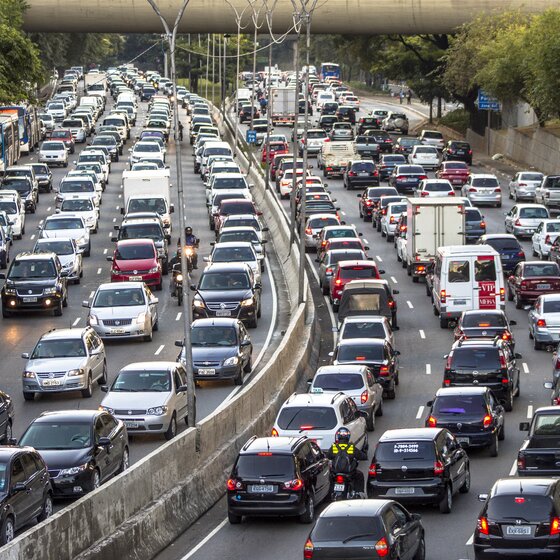
Railway noise assessment forms an important part of transportation acoustics, covering sound generated by trains, rail traffic, and related infrastructure. Similar monitoring principles apply to airports, roads, ports, and other transportation systems where operations can affect nearby communities and sensitive areas.
Measurements provide objective data for environmental impact studies, regulatory compliance, strategic noise mapping, mitigation planning, operational decisions, and long-term monitoring programs. Transportation noise is often intermittent and highly variable, with individual train passages, aircraft operations, road traffic peaks, and port activities producing different acoustic conditions. Operators, environmental authorities, acoustic consultants, infrastructure managers, and airport or railway companies need reliable records to identify noise sources, assess exposure, validate individual events, and document changes over time.


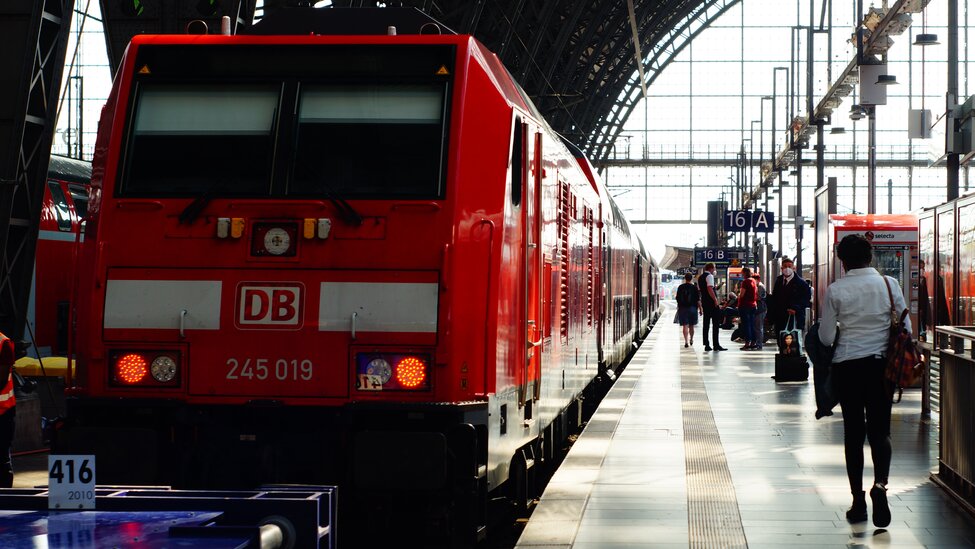
Transportation environments often contain overlapping sources, including trains, aircraft, road traffic, industrial activity, and changing background noise. Automatic audio recording and intelligent event detection help operators identify and classify individual noise events. Customizable trigger conditions and multi-parameter logic can be configured for specific assessment requirements, supporting the recognition of train passages, aircraft operations, or other events of interest. Advanced environmental noise analysis software provides tools for event validation, acoustic indicator calculation, data post-processing, and report generation. This gives consultants, operators, and authorities a clearer basis for evaluating individual events, investigating complaints, and selecting appropriate mitigation measures.
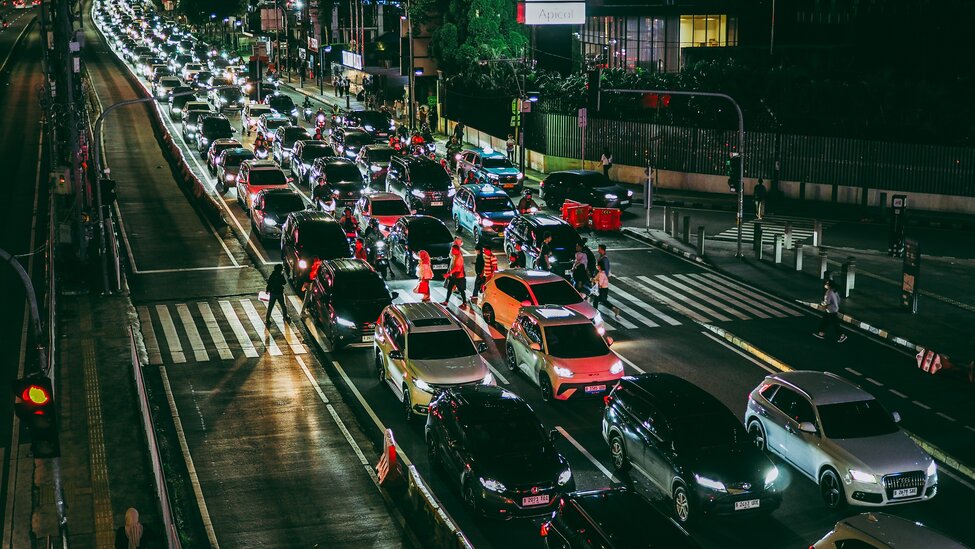
Transportation noise assessments may need to continue for days or weeks to capture changes in traffic, operating schedules, and environmental conditions. Advanced data logging supports continuous acquisition and automatic calculation of acoustic indicators for daytime, evening, and night-time assessment. Cloud-based data storage and remote connectivity allow measurement data to be transferred to centralized monitoring platforms. Secure multi-user access supports data sharing between operators, consultants, and authorities while reducing the need for repeated site visits. This provides a practical basis for long-term monitoring, remote supervision, regulatory reporting, strategic noise mapping, and the comparison of acoustic conditions across different locations and operating periods.
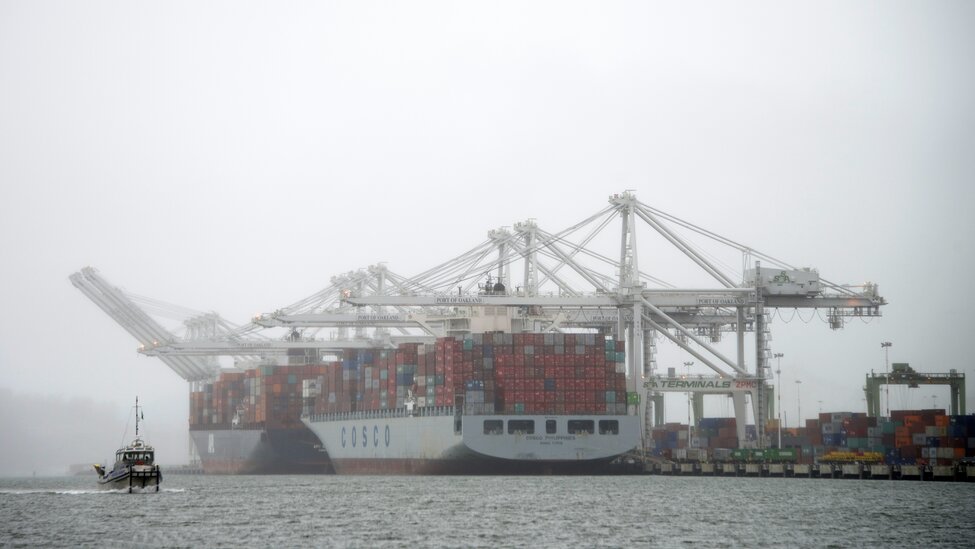
Weather conditions can influence both noise emission and sound propagation, making meteorological context essential for environmental noise assessment. Senseca measurement systems integrate with Senseca meteorological sensors to acquire acoustic and weather data in synchronization. This allows users to associate noise results with relevant conditions such as wind, rain, temperature, and humidity. The combined dataset helps operators assess whether a measurement period is suitable for the intended evaluation and provides additional context when reviewing individual events or long-term indicators. Synchronized acquisition supports more consistent interpretation of railway, airport, road, and port noise measurements.
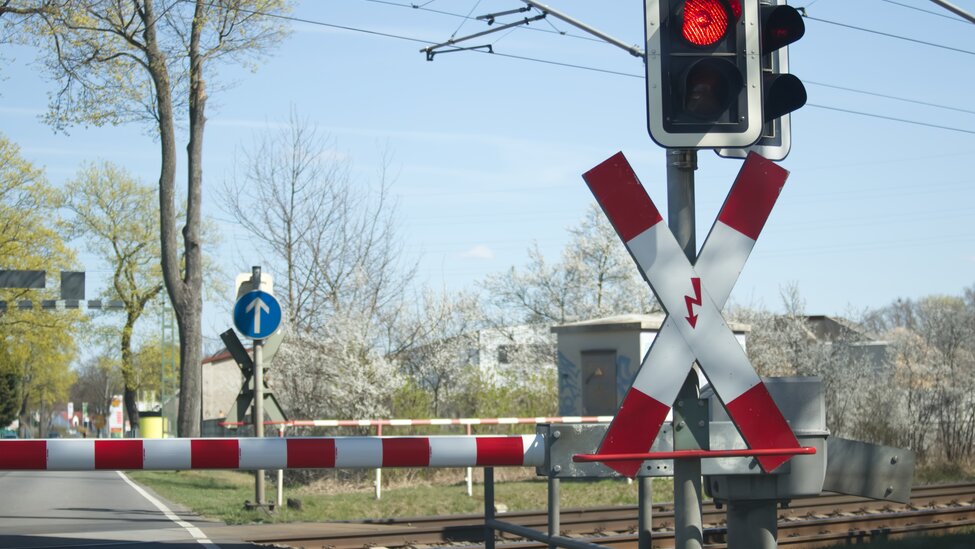
Transportation monitoring must handle a wide range of sound levels, from quiet background conditions to high-level events such as train passages, aircraft operations, and heavy road traffic. The new XPT800 Sound Level Meter Series provides a 123 dB dynamic range, enabling accurate measurements across this range without changing measurement settings. This supports continuous monitoring in locations where acoustic conditions can change rapidly and where an event may be missed if the measurement range is set incorrectly. The result is a more complete record of the acoustic environment, helping users compare background levels with individual transportation events and evaluate their contribution to overall environmental noise.


Road traffic noise affects approximately 92 million people, compared with 18 million affected by rail traffic and 2.6 million by aircraft noise during the day-evening-night period.