
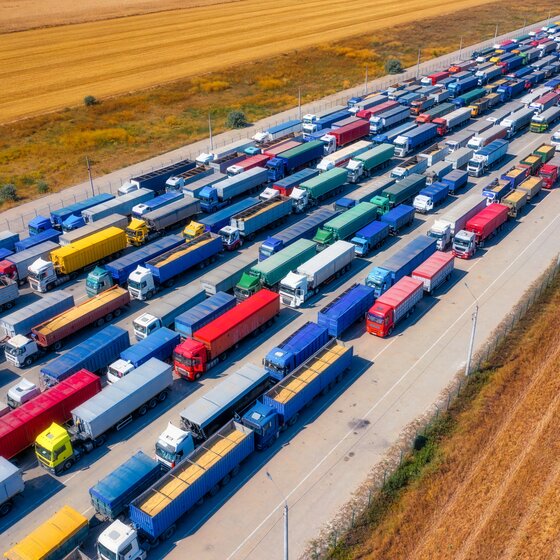
Weather conditions can change significantly along roads, railway corridors and transport infrastructure. Fog may affect a valley or tunnel entrance while nearby sections remain clear. Wind exposure can vary between open roads, bridges, elevated sections and sheltered areas. Heavy precipitation, snow and thunderstorms can also develop rapidly and create highly localised hazards.
Visibility, wind, precipitation and atmospheric conditions influence traffic safety, infrastructure management and the decisions taken by operators. Local measurements provide a more representative picture than general weather information alone, particularly at critical or exposed locations.
Observations must also be collected continuously and transmitted reliably. Connected monitoring stations help control centres and infrastructure operators maintain awareness of changing conditions across individual locations or distributed transport networks.


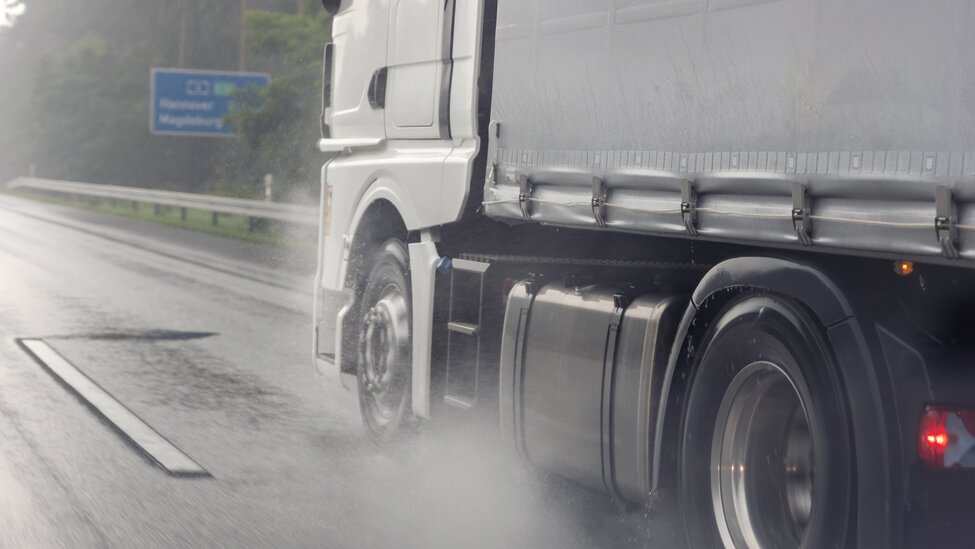
Weather conditions can vary significantly between exposed roads, bridges, elevated sections, railway corridors and tunnel portals. Local measurements of wind, precipitation, air temperature, relative humidity and atmospheric pressure provide a representative picture of what is happening at each critical location.
Site-specific observations help operators identify rapidly changing or highly localised conditions that may not be fully represented by general weather forecasts. They also provide the meteorological context needed to assess fog, snow, heavy rain, strong winds and other potentially disruptive events.
Senseca sensors and automatic weather stations support continuous monitoring at individual locations or across distributed transport networks, improving awareness of the conditions affecting infrastructure and operations.
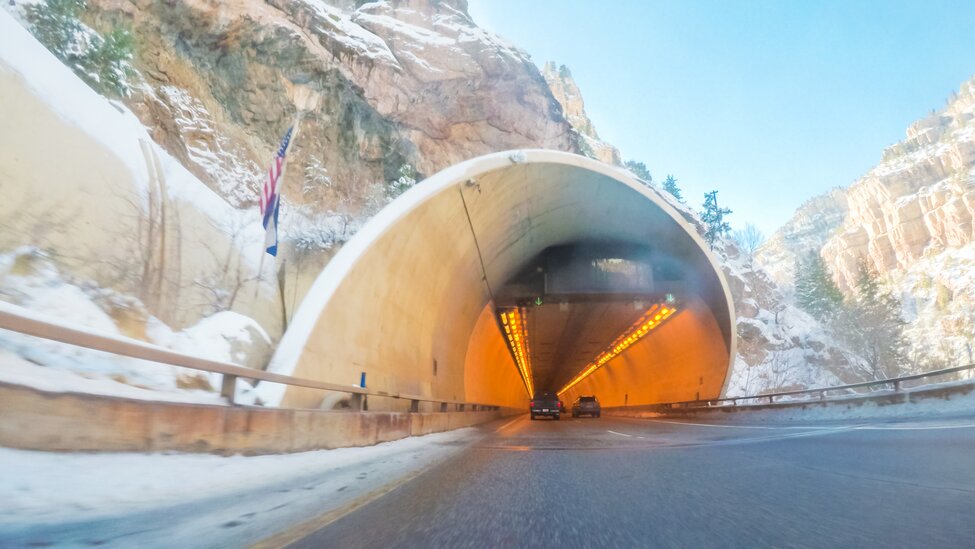
Fog, mist, spray, heavy rain and snow can rapidly reduce visibility along roads, bridges and tunnel approaches. Visibility sensors provide continuous measurements of Meteorological Optical Range, while present weather sensors identify the phenomena causing reduced visibility and classify precipitation type and intensity.
Light conditions also influence visual perception and the management of transport infrastructure. Ambient light and background luminance measurements can complement visibility data, while photometric transmitters measure luminance and equivalent veiling luminance for road-lighting control and the assessment of lighting requirements at tunnel entrances.
By combining visibility, present weather and photometric measurements, operators gain a more complete understanding of the atmospheric and lighting conditions experienced by drivers at critical points along the route.
Strong lateral winds and sudden gusts can affect high-sided vehicles, exposed bridges, elevated roads and railway operations. Measurements of wind speed, direction and gusts help operators assess crosswind intensity and understand how the wind is oriented in relation to the infrastructure.
Precipitation sensors provide information on the onset, intensity and accumulated amount of rain or snow. Combined with temperature, humidity and present-weather observations, these measurements provide a clearer picture of developing hazardous conditions.
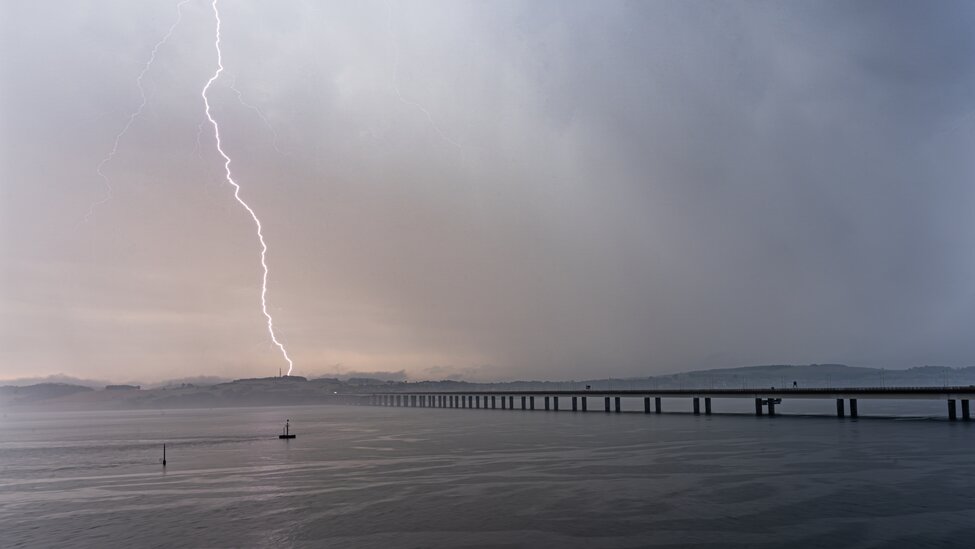
Thunderstorm and lightning detectors extend monitoring beyond the immediate location by identifying developing or approaching electrical activity. This supports operational awareness for exposed infrastructure, maintenance activities and transport personnel.
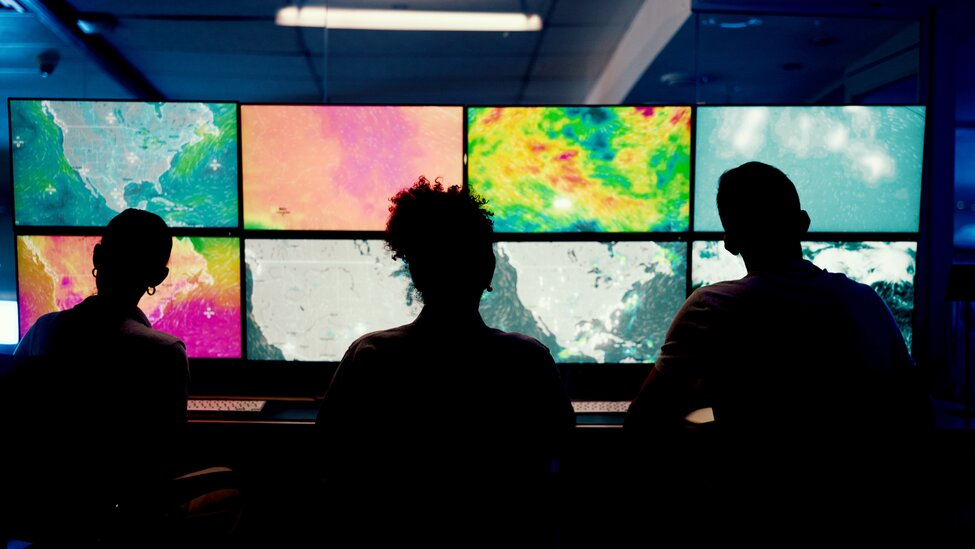
Reliable transport monitoring depends on more than individual sensors. Measurements must be acquired continuously, stored securely and transmitted reliably to the systems and personnel responsible for operational decisions.
Senseca data acquisition solutions support multiple sensor inputs and different communication technologies, including cellular networks, Ethernet, radio, satellite and industrial interfaces. Local storage helps preserve measurements during temporary communication interruptions, while remote platforms provide access to current and historical data.
This modular approach supports the integration of monitoring stations into wider traffic-management, infrastructure-monitoring and control systems, from individual critical locations to distributed regional networks.


Once the news could travel faster than the winds, then the winds need no longer come as a surprise.