
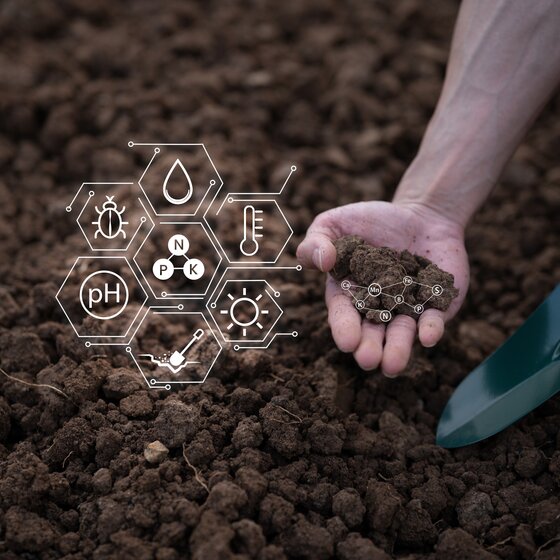
Soil measurement supports decisions across agriculture, horticulture, forestry, composting, environmental monitoring and research. Reliable data helps users understand changing ground conditions, identify stress early and manage irrigation, fertilization, cultivation and land treatment with greater precision.
The effects of soil treatment extend beyond the field. Excess nutrients can move through the soil into groundwater, while changes in pH, moisture, and temperature influence plants, microorganisms, and surrounding ecosystems. Measurement therefore needs to support both crop performance and responsible resource management.
Typical users include farmers, greenhouse operators, horticultural specialists, composting facilities, forestry teams, environmental professionals, and researchers. Depending on the application, monitoring may take place in open fields, automated greenhouses, soft soils, compost windrows, or bulk materials such as wood chips, hay, and straw.



Soil moisture, temperature, gas and water analysis provide a practical view of conditions below the surface. This information supports irrigation management, plant cultivation, forestry, environmental monitoring, and research. Senseca offers soil moisture probes for fast measurements at changing locations as well as long-term monitoring at fixed sites. The probes are optimized and calibrated for typical agricultural soils, helping users compare conditions across fields and cultivation areas. For compost, hay, straw, wood chips, and other bulk materials, extra-robust probes provide a suitable solution for demanding measurement environments. The resulting data helps users assess soil conditions, respond to changes, and make better decisions about irrigation, cultivation, and land management.
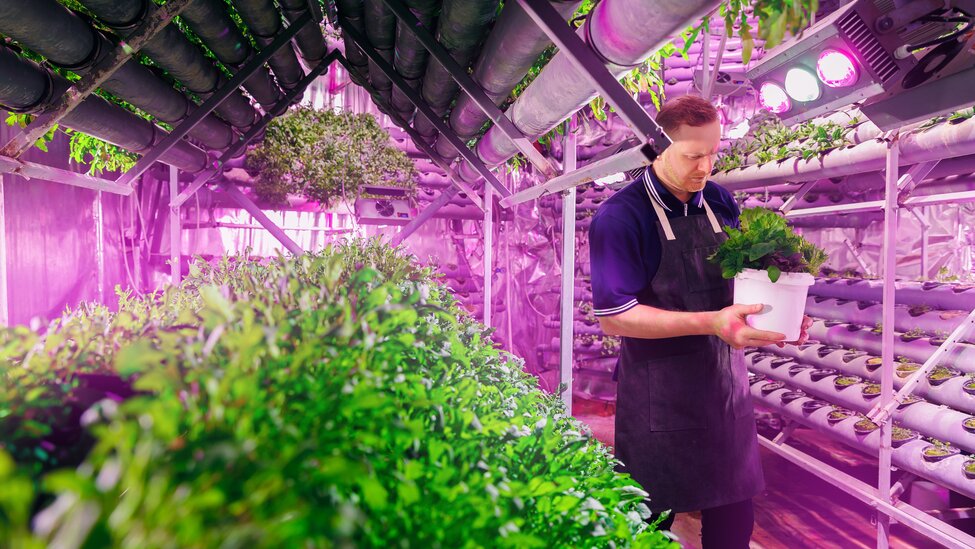
Greenhouse cultivation depends on a stable combination of air quality, temperature, humidity, ventilation, and light. Senseca solutions support basic greenhouse monitoring and can also be integrated into highly automated growing environments. Combined temperature and relative humidity and CO₂ probes provide information for ventilation, air-conditioning, and climate control. Digital photometric probes measure illuminance and PAR, supporting the management of artificial light in greenhouses and indoor growing applications such as tomato cultivation. Measurement data helps operators adjust the growing environment as conditions change. It also supports applications involving UV hardening supporting plant maturing process, where light and environmental conditions need to be monitored.
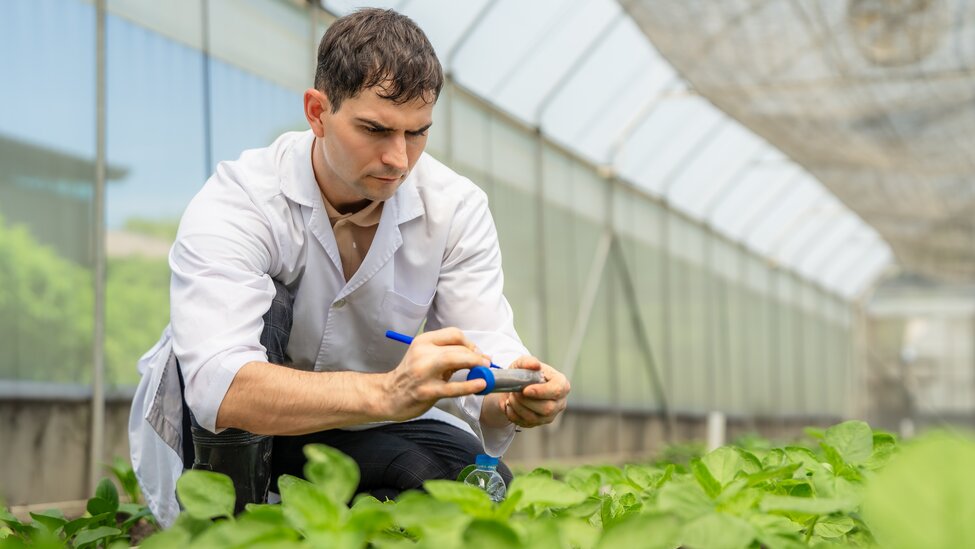
pH and conductivity measurements help users understand whether soil conditions are suitable for a specific plant and how much dissolved fertilizer is present. Since crops have different pH requirements, monitoring provides a basis for adjusting growing conditions. Conductivity can indicate changes in fertilizer concentration during irrigation and fertigation. This helps identify situations where nutrient levels may be too low for the crop or high enough to increase the risk of nutrient movement into groundwater. Senseca water analysis solutions support monitoring in agricultural soils and controlled cultivation environments. The data helps growers use fertilizer more carefully, protect surrounding water resources, and maintain conditions that support plant development.
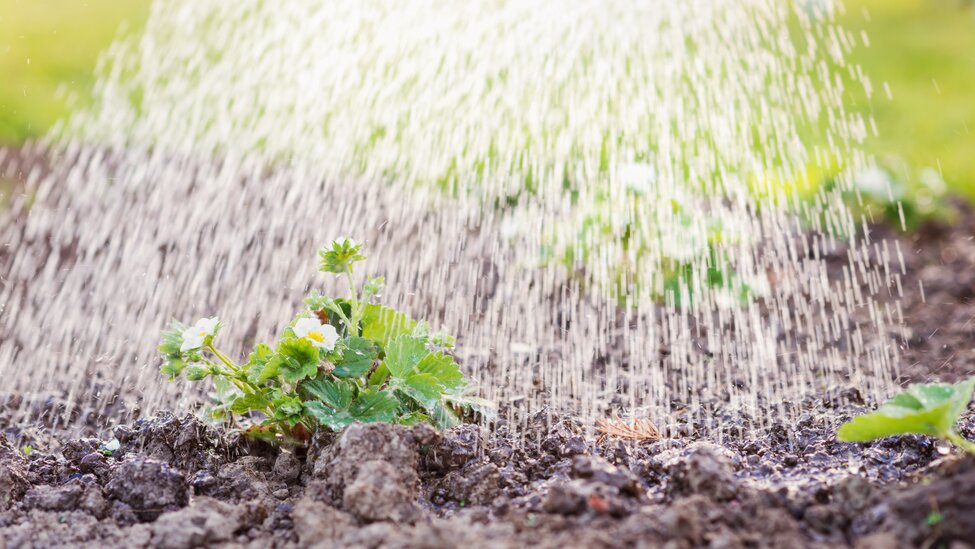
Modern agriculture is driven by cost efficiency. Personnel, fertilisers, electricity and water are among the biggest operating costs. Measuring effective usable light helps growers control artificial lighting and avoid unnecessary energy consumption. Accurate monitoring of water quality and nutrient levels enables precise fertiliser use, prevents over-application and supports water reuse in a controlled cycle. With comfortable, easy-to-use instruments, time is saved, Therfore growers can optimize all four cost drivers, while maintaining crop quality, reducing waste and improving sustainability.


Nitrogen and phosphorus applied in excess can leach into groundwater or reach surface water through runoff, contributing to eutrophication and water quality problems.