
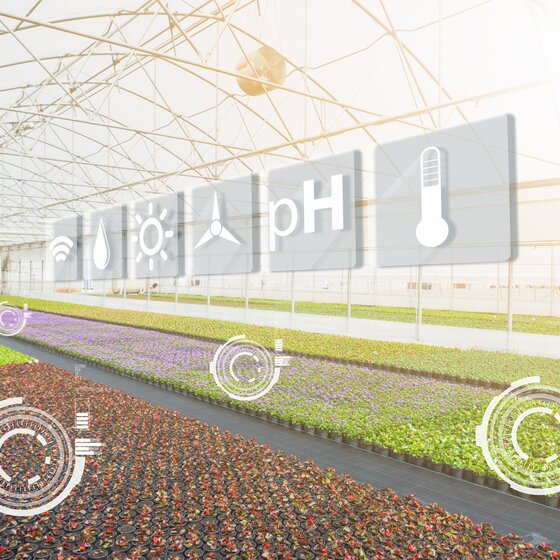
Fields and greenhouses are not uniform environments. Temperature, humidity, light and water availability can vary between areas of the same field, different soil depths, crop rows, growing zones and sections of a greenhouse.
Precision agriculture uses local and time-dependent measurements to understand this variability and support more targeted decisions. In greenhouses, continuous monitoring also helps reveal differences between the intended climate settings and the conditions actually experienced by the crop. FAO defines precision agriculture as a data-based management strategy for addressing spatial, temporal and individual variability while improving resource-use efficiency, productivity and sustainability.
Reliable measurements of soil moisture, leaf wetness, microclimate, light, precipitation and water supply conditions provide the foundation for irrigation planning, crop protection and greenhouse management. Connected data acquisition makes it possible to compare multiple growing areas and follow changing conditions over time.


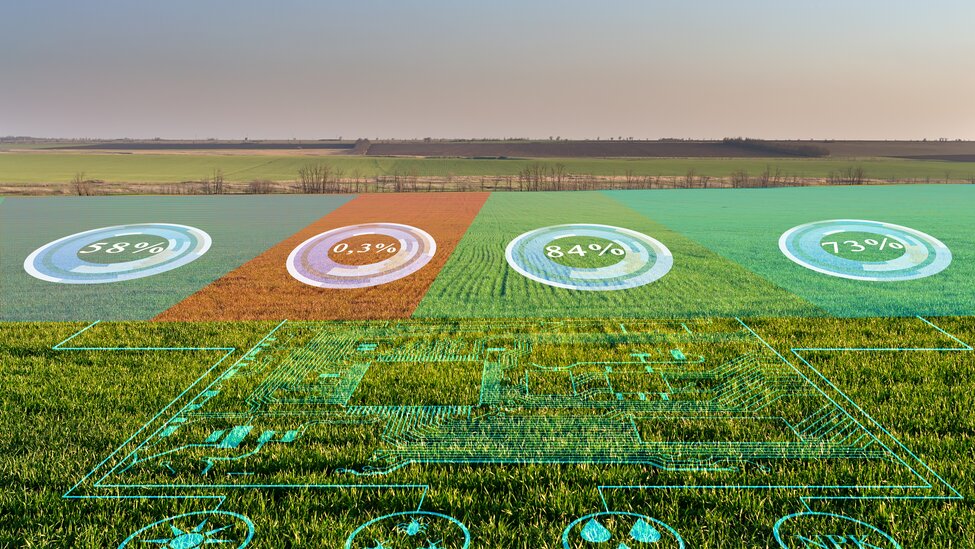
Growing conditions can vary significantly between field areas, crop rows, soil depths and different zones of the same greenhouse. Local measurements of air temperature, relative humidity, CO₂ and dew point provide a more representative picture of the environment actually experienced by the crop.
PAR and solar irradiance measurements quantify the light available for photosynthesis and the energy reaching the growing environment. They can support greenhouse ventilation, shading and supplemental-lighting strategies, while outdoor measurements of wind and precipitation provide additional context for open-field crops and greenhouse operation.
Permanent sensors enable continuous monitoring, while portable instruments support spot checks and comparisons between different growing zones. Together, these measurements help reveal spatial and temporal variations that may be hidden by a single average value.
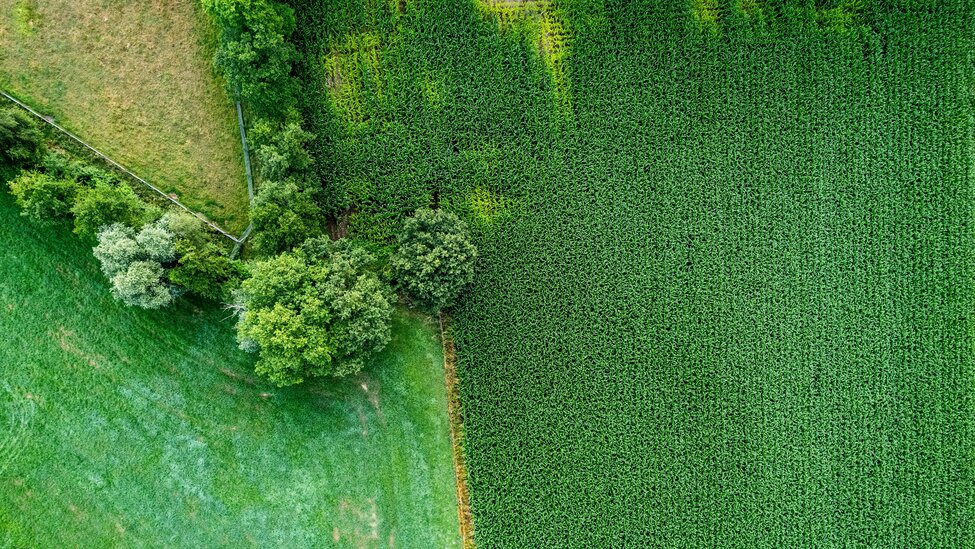
Soil volumetric water content and soil temperature provide direct information on root-zone conditions. Measurements at different locations or depths help identify variations between field zones, while measurements in pots, substrates and greenhouse beds support a more localised assessment of water availability.
Beyond the root zone, level, pressure and flow measurements can support the monitoring of water tanks, reservoirs, wells and irrigation or fertigation lines. They help verify whether water is available, stored correctly and distributed as expected across fields and greenhouse zones.
Permanent probes provide continuous observations, while portable instruments enable rapid checks of soil moisture, soil temperature, pH and electrical conductivity at different locations. These measurements provide additional information on irrigation water and nutrient solutions, particularly in greenhouse, hydroponic and fertigation applications.
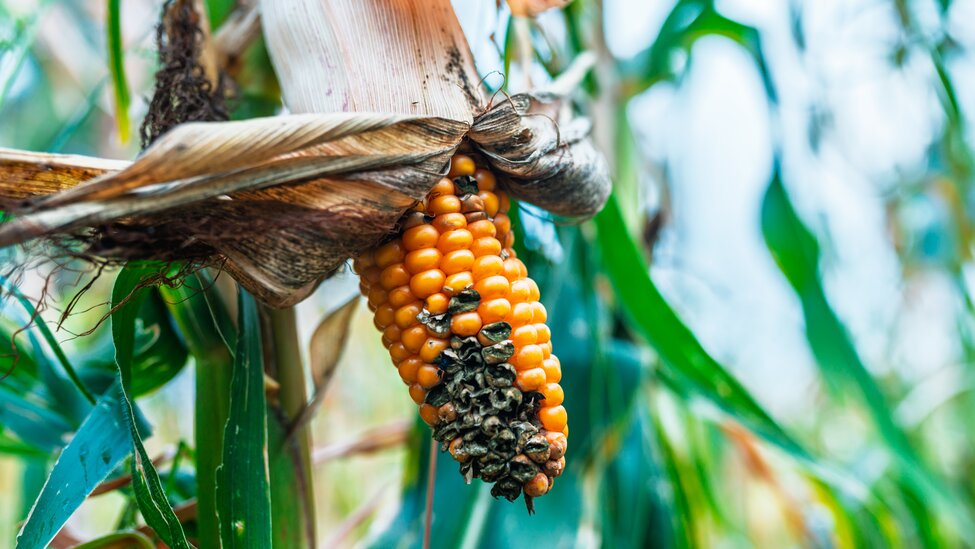
Crop stress and disease risk are usually influenced by combinations of environmental conditions rather than by a single parameter. Leaf wetness, air temperature, relative humidity and dew point help identify periods in which moisture or condensation persists on plant surfaces and conditions may favour mould or fungal development.
These measurements can provide reliable input for crop-protection strategies and external agronomic models without directly predicting a specific disease. In greenhouses, they also help reveal excessive humidity, condensation and differences between climate zones.
Heat, frost, low humidity, excessive solar exposure, strong winds and heavy precipitation can affect open-field crops, greenhouse structures and personnel. Thunderstorm monitoring adds early awareness of developing electrical activity and severe weather, supporting timely operational decisions and protective actions.
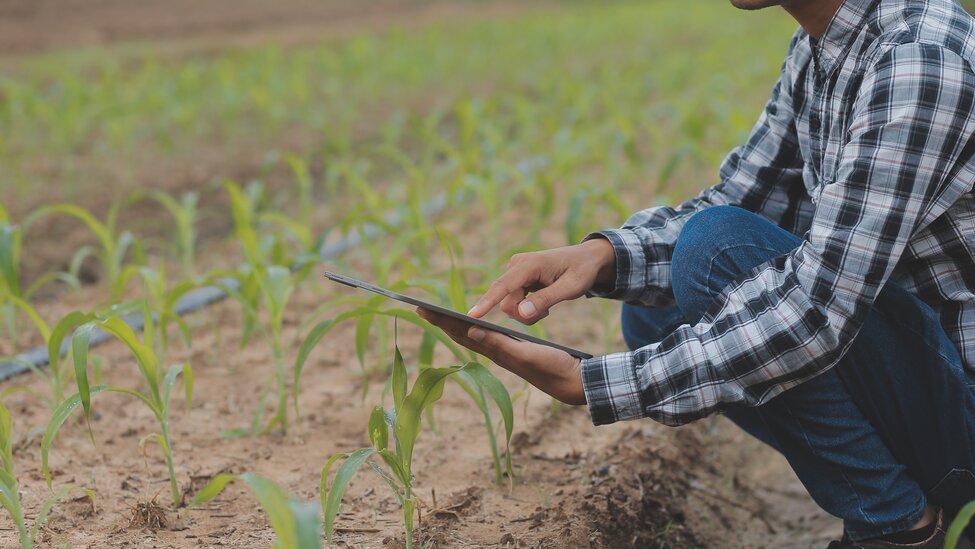
Precision monitoring depends on more than individual sensors. Measurements must be acquired continuously, stored securely and made available to the people, platforms or systems responsible for crop and greenhouse management.
Senseca offers flexible data acquisition solutions for soil, environmental, light and water-related measurements. Wired, wireless, LoRaWAN, RF, Wi-Fi, Ethernet and cellular architectures can support anything from a single greenhouse zone to distributed monitoring across multiple fields or growing environments.
Portable data-logging instruments complement permanent installations through temporary surveys, system checks and comparisons between different locations. This modular approach allows measurements to be transferred to central visualisation, control or third-party management systems using the solution best suited to each installation.


The future of agriculture is not input-intensive, but knowledge-intensive. This is the new paradigm.