
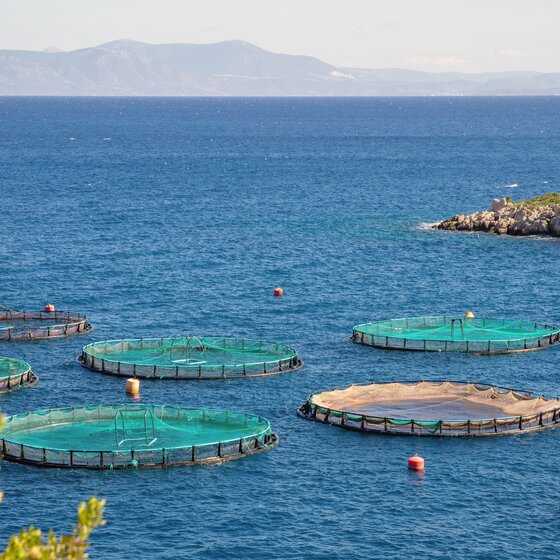
Aquaculture plays a growing role in global food security, yet it operates under increasing pressure. Higher stocking densities in fish farms amplify the biological load on water systems, while open-water installations face mounting stress from climate variability and pollution. Neither environment is self-regulating.
Reliable measurement is what keeps these systems productive. Monitoring key water quality parameters directly influences fish growth rates, feed conversion, and the health of surrounding flora and fauna. It also determines how efficiently resources are used, overfeeding, oxygen depletion, and toxic compound build-up all carry measurable costs. Operators who maintain conditions within optimal ranges reduce their environmental footprint and protect both yield and ecosystem integrity. Aquaculture site managers, environmental compliance officers, and fish farm technicians all depend on accurate, timely data to make the right decisions at the right moment.


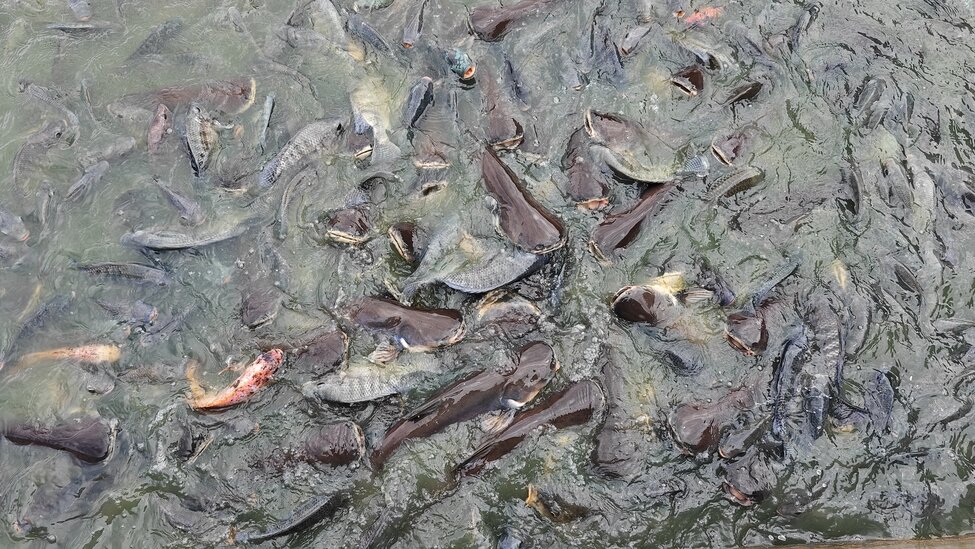
Aquaculture systems can shift from stable to hazardous within hours. Senseca's instruments support continuous monitoring and data logging, giving operators the visibility to identify trends, such as gradual oxygen depletion, pH, temperature drift, before they reach critical thresholds. Rather than reacting to a crisis, your team can act on early signals. This predictive capability is particularly valuable in high-density farming environments, where a single unchecked parameter can affect an entire stock. Instruments with configurable alarm thresholds ensure that no significant deviation goes unnoticed, even during unmanned monitoring periods.
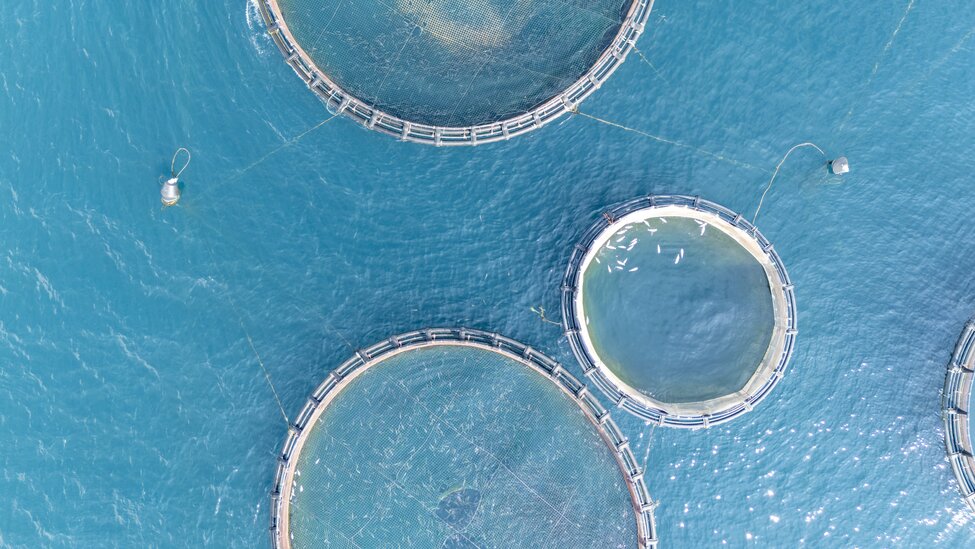
Many of the parameters that determine water quality, dissolved oxygen, pH, conductivity, are entirely undetectable without instrumentation. Senseca offers field-proven sensors built on established electrochemical and optical measurement principles, designed to deliver accurate readings in the demanding conditions of aquaculture environments. These instruments reveal the true state of the water, providing the factual basis for every operational decision, from aeration adjustments to feeding schedules and stock management.
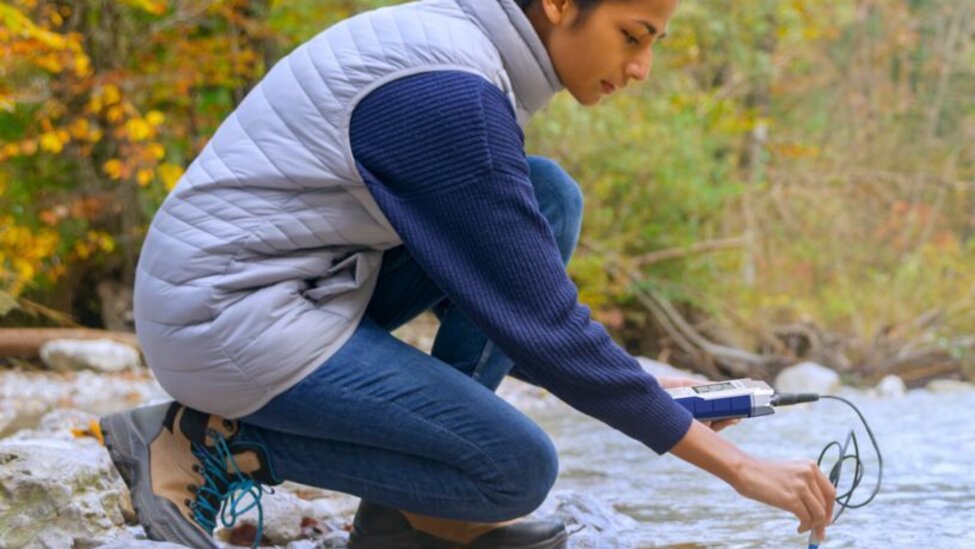
Waiting for laboratory results from single water samples is not a viable strategy when conditions can change rapidly. In situ measure it's a main advantage of portable devices, giving immediate results from multiple measuring spots. Senseca's robust, maintenance-friendly handheld and portable instruments allow operators to measure multiple critical parameters simultaneously, directly at the water's edge. Designed for ease of use in field conditions, pools, well-water, surface water, and wastewater alike, these devices minimize operator error and deliver immediate, actionable readings. Temperature compensation is applied automatically and with high precision, ensuring that all dependent parameters are reported accurately regardless of ambient conditions.


The global aquaculture market size is estimated to reach USD 417.8 billion by 2030, registering a CAGR of 5.1% from 2025 to 2030.