
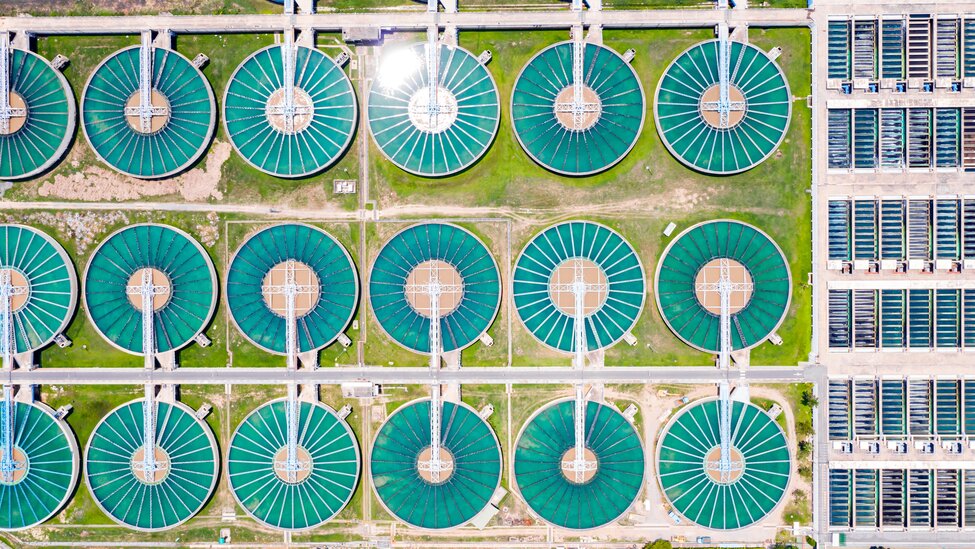
Municipal water management covers several connected applications. In wastewater treatment plants, sewage is treated using processes such as membrane bioreactor (MBR) technology, where stable operating conditions are essential for consistent treatment performance. Drinking water facilities monitor seawater treatment processes and water quality to support controlled production and safe distribution.
Groundwater and well monitoring focus on level and quality measurements. These values help operators understand changes in the water source and identify conditions that may affect extraction, treatment, or long-term availability. Across these applications, measurement supports overflow protection, pump operation, dosing, maintenance planning, and process documentation. Typical users include municipal utilities, water treatment plant operators, environmental monitoring teams, and personnel responsible for maintaining wells, pumping stations, and treatment infrastructure.


Level and flow information gives municipal operators a clear view of water movement through tanks, wells, treatment stages, and pumping systems. Indication makes current conditions visible at the point of measurement, while control functions can use the measured values to support operating decisions and protective actions. Monitoring levels helps identify rising or falling conditions before they develop into overflow, underflow, or pump protection issues. Flow values add information about transfer and throughput, helping operators assess whether water is moving as expected. The same approach can be applied across wastewater treatment, drinking water treatment, groundwater monitoring, and wells, with process values available in a form suited to the installation.
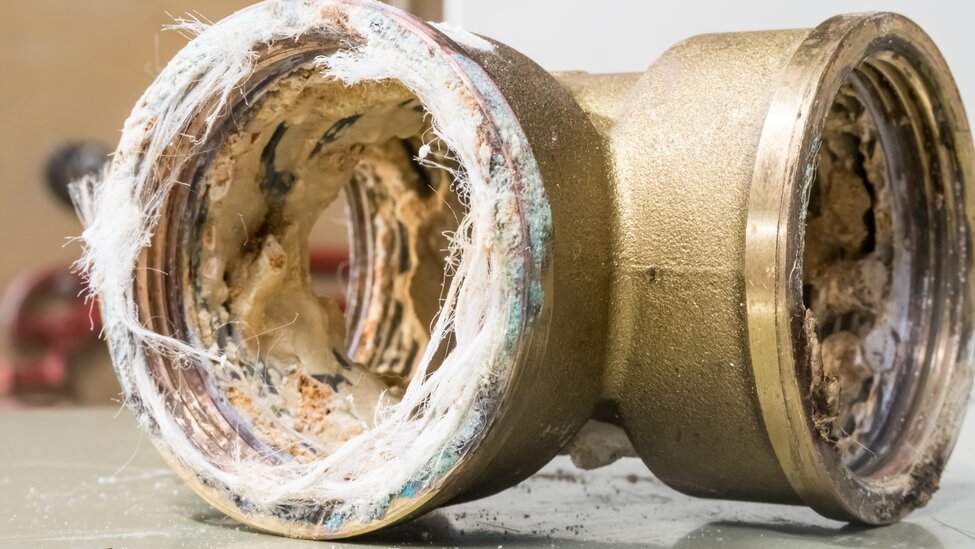
Corrosion, calcification, and blockages can affect equipment, pipework, pumps, and treatment stages. Measuring water conditions provides operators with process information that can support earlier intervention and more controlled maintenance. Senseca solutions can indicate raw process values or provide transduced process values for further evaluation. Water analysis data can be used alongside temperature, level, pressure and flow measurements to identify changes in the monitored water and assess their operational significance. This supports maintenance teams in reviewing conditions around seawater treatment, wastewater treatment, groundwater sources, and wells. The result is better visibility of the factors that can reduce equipment performance or restrict water flow.
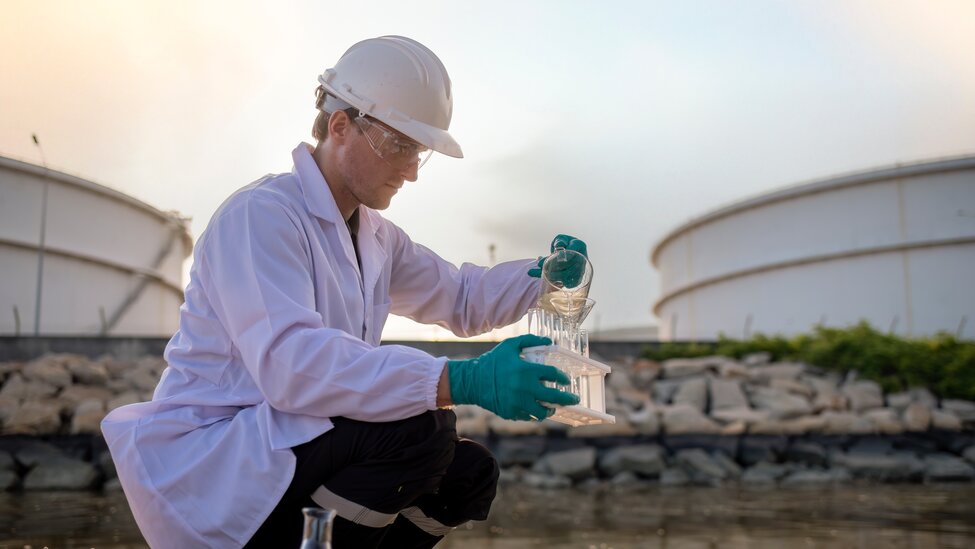
In municipal water and wastewater treatment, precise dosing is essential for safe disinfection, effective pH neutralisation, reliable flocculation and precipitation, and stable biological treatment processes. Demand-based dosing helps ensure consistent water quality, protects treatment equipment and supports compliance with regulatory requirements.
Continuous monitoring of key process parameters allows the addition of acids, alkalis, disinfectants, flocculants and other treatment chemicals to be adjusted precisely to the actual demand. This reduces chemical consumption, prevents over- and underdosing and improves operational safety. Limit monitoring, alarm functions and standardised interfaces also enable reliable integration into existing plant control and automation systems.
Senseca offers suitable measurement and monitoring solutions for pH value, conductivity, redox potential, dissolved oxygen, temperature, pressure, differential pressure, flow and level.
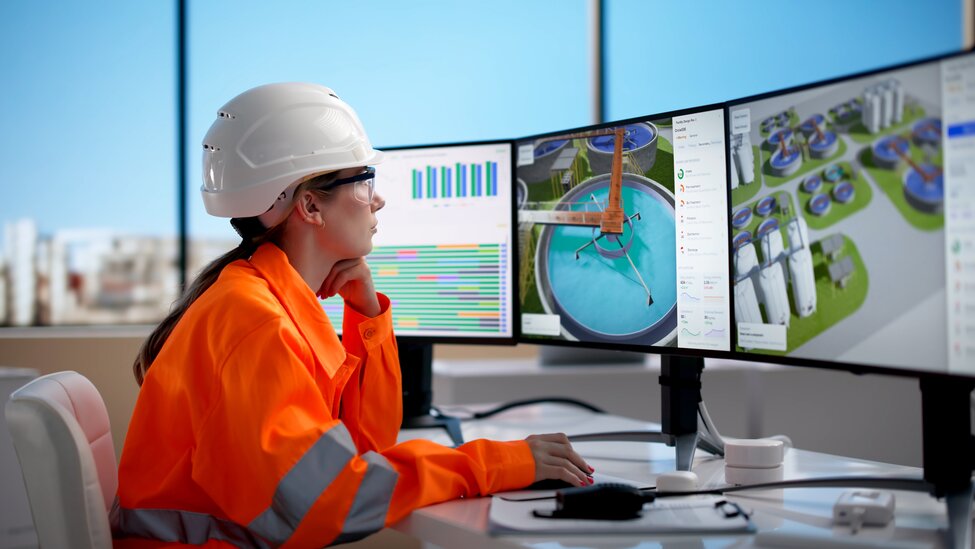
Municipal water operators often need measurement records to demonstrate how a process was monitored and managed. Raw process values and transduced process values can be made available through analog or digital outputs, supporting integration with plant control and data systems. This creates a consistent basis for recording level, flow, temperature, pressure and water analysis results across treatment plants, groundwater monitoring points, and wells. Documented measurements help teams review operating conditions, investigate deviations, and retain information for legal or regulatory purposes. By making the relevant values available in a usable signal format, Senseca supports the connection between field measurement, process control, and the records required for responsible municipal water management.



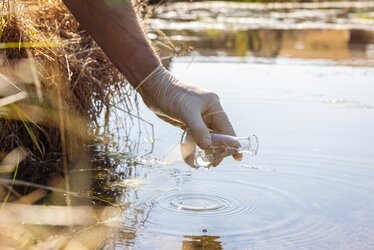
In 2022, 73% of the global population (6 billion people) used a safely managed drinking-water service; that is, one located on premises, available when needed, and free from contamination.